


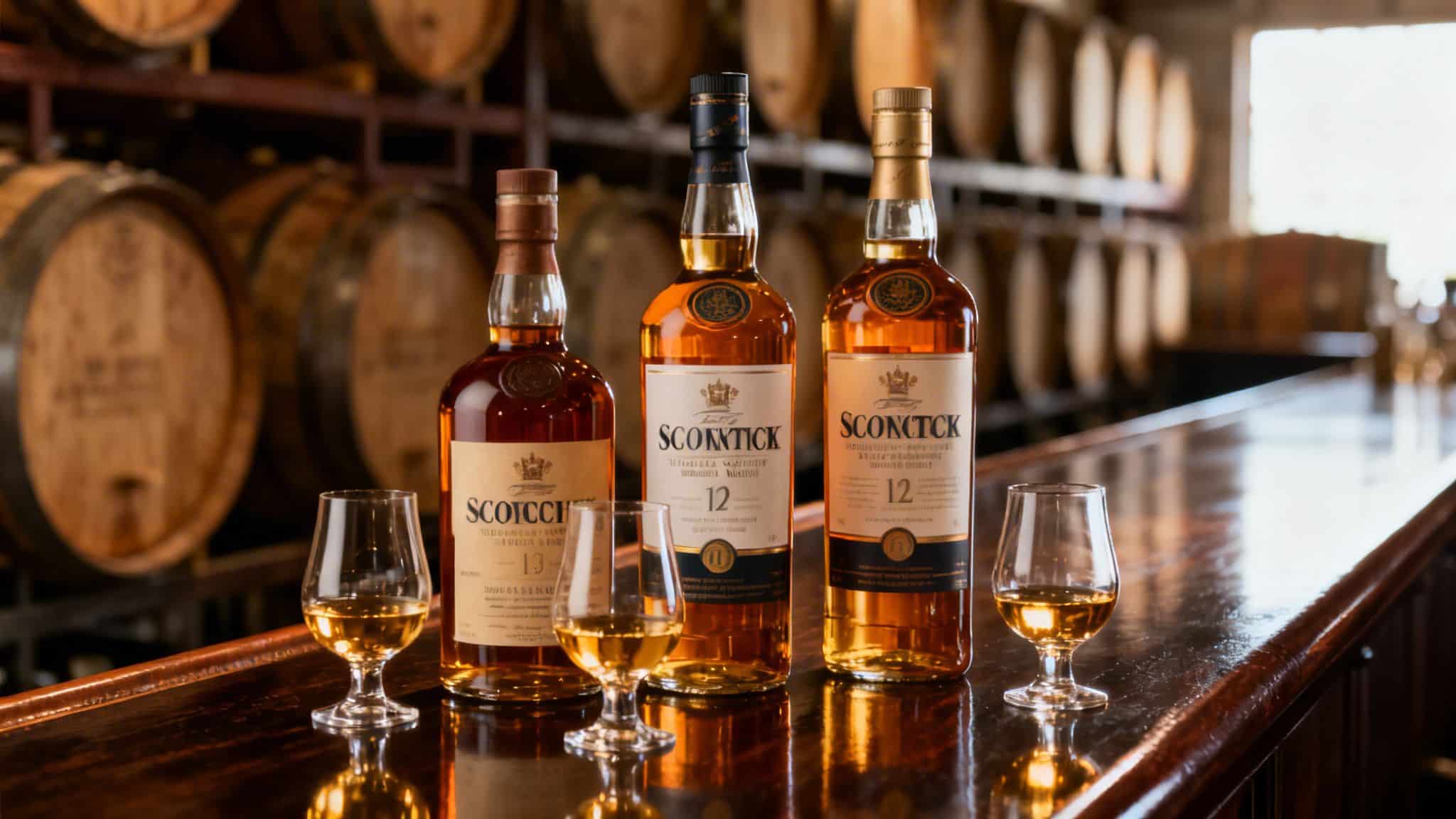
If you ask what the best blended scotch whisky is, you’ll likely hear a few familiar names. Some will point you to Johnnie Walker Black Label for its perfect kiss of smoke, others will recommend Monkey Shoulder for its crowd-pleasing, cocktail-friendly nature, and many will praise the rich, velvety texture of Chivas Regal 18.
But here's the thing: there isn't one single "best" bottle. Did you know that blended Scotch makes up over 90% of all Scotch whisky sold globally? Or that more than 44 bottles of Scotch are shipped from Scotland every single second? This massive popularity isn't an accident. Blended Scotch is an art form, a masterful balancing act of flavor, consistency, and value. The right one for you is the one that hits the sweet spot for your palate, your budget, and the moment you plan to enjoy it.
Your Guide to the World of Blended Scotch
Blended scotch isn’t just another spirit on the shelf; it's the world’s most popular type of whisky for a reason. This guide is here to show you what’s behind the hype, helping you look past the fancy labels to find a bottle that genuinely suits you.
Consider this your personal roadmap. We'll navigate the history, the craft, and the vast selection together. My goal is to help you find a whisky that delivers incredible quality and value, whether you're pouring it for a quiet night in or sharing it with good company.
Why Blends Reign Supreme
The dominance of blended scotch is honestly mind-boggling. It's the undisputed king of the whisky world, projected to make up a staggering 64.98% share of the entire global Scotch market by 2026. This isn't an accident; it's a testament to its approachable balance of flavor and value.
Let's put that into perspective. The entire Scotch whisky industry was valued at USD 38.67 billion in 2025 and is expected to climb to USD 41.13 billion in 2026. From there, it’s projected to reach a massive USD 69.62 billion by 2034. That explosive growth is fueled by an enduring love for this spirit, with blends leading the charge.
Blended scotch is often mistakenly seen as "cheaper" or inferior to single malt. The reality is that it represents the pinnacle of consistency—a Master Blender's artistry in creating a reliable, harmonious flavor profile that can be replicated year after year.
More Than Just a Drink
Choosing the right blended scotch is about more than just grabbing a well-known brand. It’s a small journey into craftsmanship, history, and your own personal taste. It’s about finding a bottle that feels right.
Here’s what you’ll walk away with from this guide:
- A Real Understanding: We’ll demystify what a blended scotch actually is and why the art of blending is so respected.
- A Look at the Legends: You'll get a practical breakdown of the iconic bottles and what makes each one stand out from the rest.
- The Power to Choose: Learn how to read a label, understand what age statements really mean, and pick a whisky you’re going to love.
Finding a good whisky is a simple pleasure that can elevate an evening, much like how a bit of structure can make a hectic week feel more manageable. For those looking to bring that same sense of order to their household, our guide on meal planning for busy families might be just what you need.
This journey into blended scotch is all about giving you the confidence to explore, taste, and ultimately, find your new favorite dram.
So, What Exactly Is a Blended Scotch Whisky?
Let's clear something up right away: the word "blended" is not a dirty word. Far from it. Many people hear "blended" and think "cheap" or "low quality," but that's one of the biggest myths in the whisky world. Blending is an art form—a highly sophisticated skill that’s the very backbone of the Scotch industry. It’s the magic that creates the consistent and iconic flavor profiles of the world’s most famous brands.
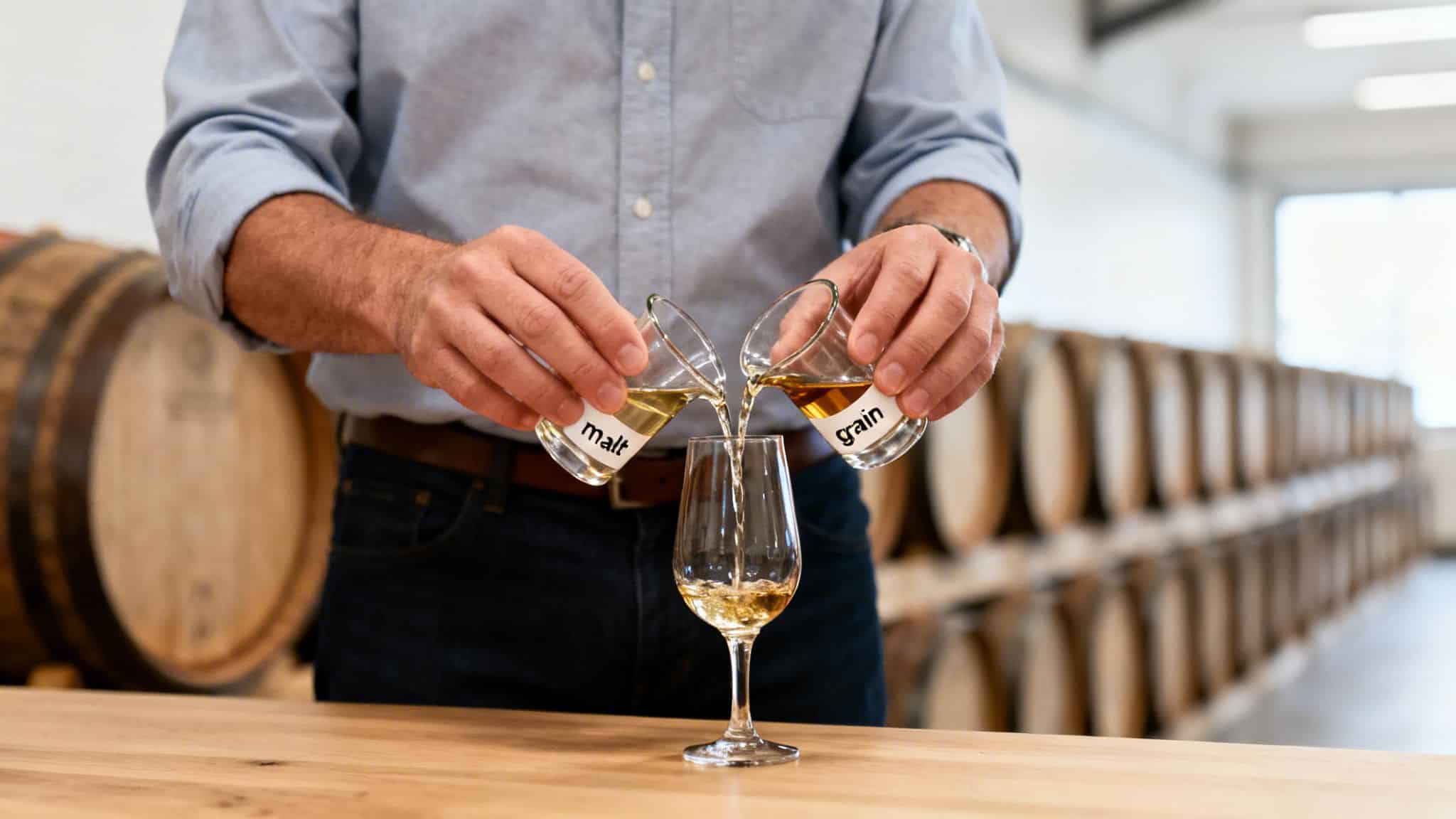
Think of a Master Blender as a conductor leading a world-class orchestra. Their entire job is to take dozens of individual instruments and make them sing in perfect harmony.
The single malt whiskies are the virtuoso soloists in this orchestra—the powerful violins and bold trumpets. They bring intense character, personality, and distinct top notes to the performance. On their own, they are spectacular, but they can be a bit much for an entire symphony.
That's where the grain whiskies come in. They are the rhythm section—the cellos and bass that provide a smooth, consistent foundation. Made from grains like corn or wheat, these whiskies are generally lighter and softer. They don’t steal the show; instead, they round out the sharp edges of the malts, add body, and tie everything together into one cohesive, beautifully balanced piece.
The Art of the Blend
The Master Blender's ultimate goal is to craft a signature "house style"—that specific, recognizable taste you expect every time you open a bottle from a particular brand. This isn't easy. It demands an incredible palate and an almost encyclopedic memory of how hundreds of different casks will taste and interact with one another. A single blend can contain anywhere from 15 to 50 different whiskies, all from different distilleries and of varying ages.
The blender might reach for a smoky Islay malt to add a whisper of peat, a fruity Speyside malt for a touch of orchard sweetness, and a mellow Lowland grain whisky for a silky smooth finish. Every single component is chosen for a reason.
The point of blending isn't to cover up flaws. It's to create something more complex, balanced, and harmonious than any single component could ever be on its own.
The Letter of the Law
Of course, for a bottle to legally earn the title of Blended Scotch Whisky, it has to play by the rules. The Scotch Whisky Regulations of 2009 lay out strict guidelines that guarantee a baseline of quality and authenticity.
- Scottish Through and Through: The entire process—from mashing the grain to distilling the spirit and aging it—must happen within Scotland. No exceptions.
- Aged for at Least Three Years: Every single drop of whisky in the blend, whether it's a 3-year-old grain or a 30-year-old malt, has to be aged in an oak cask for a minimum of three years and one day.
- Minimum Strength: When bottled, it has to be at least 40% alcohol by volume (ABV).
These regulations ensure that even the most affordable bottle of blended Scotch has met a respectable standard of quality. While the process is intricate, the goal is simple: create a delicious, consistent, and approachable spirit. It’s a craft that requires the same kind of precision and expertise as pulling the perfect shot of espresso—you can see what we mean in our guide to the La Marzocco espresso machine. It’s this deep dedication to the craft that makes exploring the world of blended Scotch so rewarding.
Review and Comparison of 3 Popular Blends
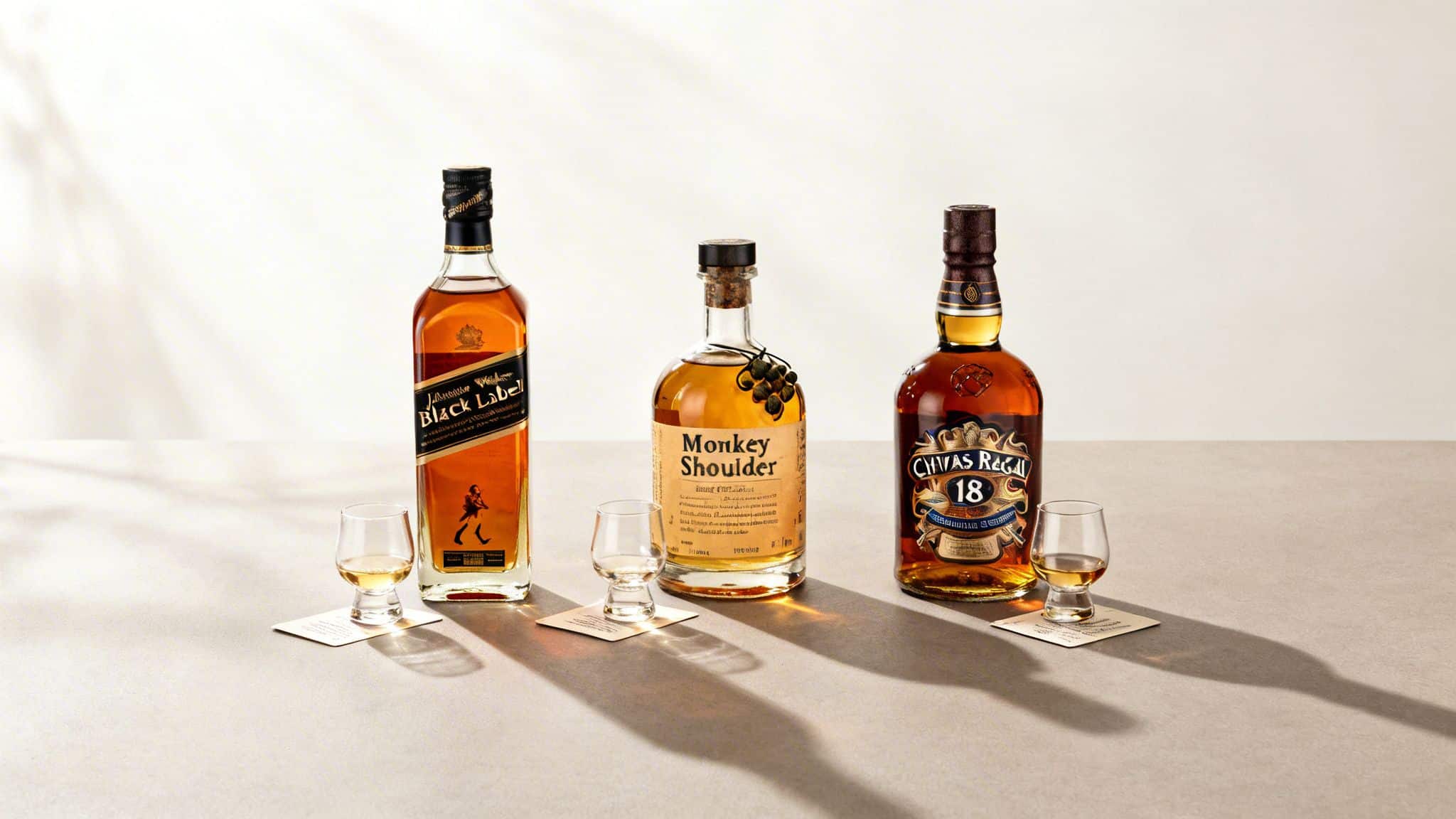
Alright, let's get to the good stuff. If you really want to understand blended Scotch, you need to know the big players. We’re going to review and compare three legends: Johnnie Walker Black Label, the undisputed benchmark; Monkey Shoulder, the modern upstart built for mixing; and Chivas Regal 18, the definition of a smooth, luxurious sipper. This is a field guide to help you grab the right bottle for the right moment.
The global reach of blended Scotch is staggering. Every single second, 43 bottles of Scotch whisky are shipped out of Scotland to more than 160 markets. That's a mind-boggling 1.3 billion bottles a year, ringing up £5.36 billion in exports for 2025. You can dive deeper into these numbers in the official Scotch whisky industry report.
Johnnie Walker Black Label: The Benchmark
For so many of us, Johnnie Walker Black Label was the first "serious" Scotch we ever tasted, and for good reason. It’s an absolute masterclass in balance, drawing from around 40 different whiskies from Scotland's four corners, each one aged for at least 12 years. The result is a depth of flavor that punches well above its price tag. Its famous profile is complex yet incredibly easy to get along with. You'll find creamy vanilla, toffee, a pop of fruit from Speyside malts, and that signature wisp of smoke from peated Islay malts like Caol Ila. It’s this perfect dance between sweet, fruity, and smoky that arguably makes it the best blended scotch whisky for anyone curious about peat.
Monkey Shoulder: The Modern Mixologist
Monkey Shoulder didn't just enter the market; it kicked the door down with a fun, modern attitude. It's a blended malt, a key distinction meaning it’s a blend of single malts (from Speyside) with zero grain whisky involved. This gives it a richer, malt-forward character that’s unbelievably smooth. The flavor is all about bright, friendly notes: zesty orange, vanilla, honey, and a little bit of baking spice. There’s no smoke, making it a perfect gateway for newcomers and a dream ingredient for bartenders. Its name is an old-school nod to the temporary shoulder injury distillery workers would get from turning barley by hand—a tribute to the craft.
Chivas Regal 18: The Luxurious Sipper
When you’re ready to step up to a premium blend, Chivas Regal 18 Year Old is waiting. This is pure liquid luxury, crafted from over 20 rare single malt and grain whiskies, each aged for a minimum of 18 long years. The final product is an exceptionally velvety and rich whisky. The flavor profile is wonderfully indulgent, full of dried fruits, dark chocolate, and buttery toffee. A subtle, elegant smokiness whispers in the background, adding complexity without ever shouting. This is a whisky that demands to be sipped slowly and appreciated, a perfect pour for a special occasion.
Comparison Summary: Which One Is for You?
| Whisky | Style and Character | Key Flavor Profile | Best Enjoyed |
|---|---|---|---|
| Johnnie Walker Black Label | The All-Rounder. A balanced blend with a touch of everything. | Creamy vanilla, bright fruit, and a signature wisp of gentle smoke. | Sipped neat, on the rocks, or in a robust cocktail like a Penicillin. |
| Monkey Shoulder | The Mix-Master. A smooth, modern, and very approachable blended malt. | Zesty orange, honey, vanilla, and a hint of baking spice. No smoke. | In a highball with ginger ale or as the star of any whisky cocktail. |
| Chivas Regal 18 | The Sophisticate. A rich, velvety, and luxurious aged blend. | Dried fruit, dark chocolate, buttery toffee, and a whisper of smoke. | Neat or with a single drop of water, reserved for special moments. |
The Pros and Cons of Blended Scotch
To get a handle on blended Scotch, you have to look at both sides of the coin. Blends are the absolute workhorses of the whisky industry, but they come with a unique set of tradeoffs. Knowing the good and the bad is what separates a smart buyer from a confused one and is key to appreciating these whiskies for what they are.
Pros of Blended Scotch
- Consistency: The biggest advantage. A Master Blender's skill ensures that a bottle of a famous blend tastes identical whether you buy it today in New York or next year in Tokyo. It's reliable in the best way possible.
- Affordability: By including more cost-effective grain whisky, blends deliver fantastic quality for a friendlier price than most single malts. This incredible value is a huge reason they dominate the market.
- Versatility: The balanced, approachable profile of most blends makes them perfect for any situation—sipping neat, on the rocks, or as a flavorful base in cocktails that won't overpower other ingredients.
Cons of Blended Scotch
- Image Problem: A persistent myth, often fueled by whisky snobbery, positions blends as "inferior" to single malts. This completely overlooks the immense artistry required to create a world-class blend.
- Less Distinctive Character: By design, a blend smooths out the individual quirks of each component whisky. While this creates harmony, some argue it can lack the singular, bold character of a single malt.
- Lack of Transparency: The exact recipe for most blends is a closely guarded trade secret. You'll rarely know which distilleries are in the mix or in what proportions, which can be frustrating for enthusiasts.
How to Choose and Enjoy Your Blended Scotch
Alright, you've got the basics down. Now for the fun part: turning that knowledge into a great glass of whisky. This is where we bridge the gap between knowing what a blended scotch is and knowing how to walk into a store and confidently pick the right bottle for you.
Let's get you ready to scan those shelves like a pro, and then we’ll cover how to get the most out of every pour. It’s about moving past just drinking whisky to truly appreciating the whole experience.
Decoding the Whisky Label
Think of the label on a Scotch bottle as a treasure map. It’s full of clues about the liquid inside, and learning to read them will completely change how you shop.
- Age Statement: If you see a number on the bottle (like 12, 18, or 21 years), it tells you the age of the youngest whisky in that blend. The mix might contain much older whiskies, but nothing younger than what's on the label. While older often means smoother and more complex, don't assume it's the only mark of quality.
- Blended Scotch vs. Blended Malt: This is a crucial distinction. "Blended Scotch Whisky" is the classic mix of malt and grain whiskies. A "Blended Malt Scotch Whisky," on the other hand, is a blend of single malts from different distilleries, with no grain whisky. Blended malts tend to be richer and more complex, but that quality often comes with a higher price tag.
- Region: While regionality is king for single malts, it can still offer hints for blends. If a brand is known for using a high proportion of Islay whiskies, you can bet it's going to have a smoky, peaty character.
Choosing Based on Flavor Profile
Ultimately, the best blended scotch whisky is the one that tastes best to you. Most blends can be grouped into a few main flavor camps. Just think about what you normally enjoy—in any food or drink—and use that as your starting point.
This decision guide can help you find your path.
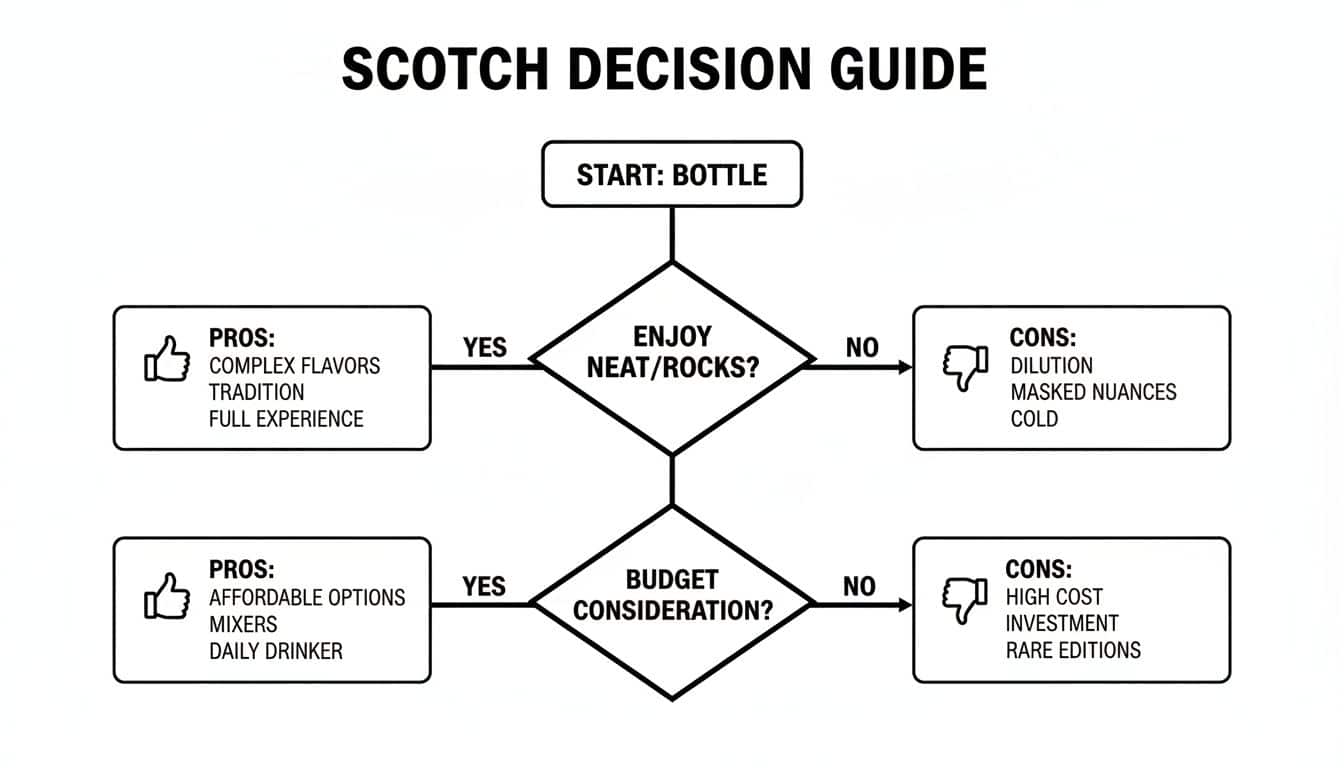
As you can see, there’s a perfect blended scotch for you, whether you’re sipping it neat or working with a specific budget.
- Sweet and Fruity Fans: Do you lean towards flavors of honey, vanilla, apples, and pears? Look for blends that highlight their Speyside malt content. These are typically smooth, easy-drinking whiskies that are perfect for newcomers.
- Smoky and Peaty Lovers: If you crave bold, campfire, and maritime notes, you’ll want a blend that proudly uses Islay whiskies. The smokiness can range from a gentle puff to a full-on bonfire, so there's a lot to explore.
- Rich and Spiced Enthusiasts: For those who prefer deep notes of dried fruit, dark chocolate, and holiday spices, the answer often lies in older blends or those aged in sherry casks. These make for a fantastic, slow-sipping fireside dram.
The Art of Enjoying Your Scotch
Once you’ve brought your bottle home, how you serve it can make all the difference. There are no right or wrong answers here, only personal preference. But if you’re looking for a place to start, these are the classic approaches.
The "right" way to drink whisky is however you enjoy it most. Don't let anyone tell you otherwise. The goal is enjoyment, not adherence to imaginary rules.
The Great Water-or-Ice Debate
This is a tale as old as time in the whisky world, but the answer is refreshingly simple.
- Neat: Drinking your whisky straight, with nothing added, lets you experience it exactly as the Master Blender designed it. This is the best way to appreciate the full, unadulterated character of a complex, premium blend.
- With a Splash of Water: Believe it or not, adding just a few drops of still water can completely "open up" a whisky. It triggers a chemical reaction that can tone down the alcoholic bite and unlock new layers of aroma and flavor you might have otherwise missed.
- On the Rocks (Ice): Chilling a whisky with ice mutes some of its more delicate notes, but it also makes for an incredibly refreshing drink. Pro tip: use large, slow-melting ice cubes to minimize dilution. This is a fantastic way to enjoy a bolder blend on a warm day—kind of like firing up the grill for a good barbecue. Speaking of which, if you’re a fan of outdoor cooking, check out our guide to the best portable grill for tailgating.
Final Summary & Conclusion
Choosing the best blended scotch whisky is a personal journey, not a destination. Blends dominate the global market for a reason: they offer unparalleled consistency, versatility, and value. From the smoky balance of Johnnie Walker Black Label and the cocktail-ready smoothness of Monkey Shoulder to the luxurious depth of Chivas Regal 18, there is a blend for every palate and occasion.
The key is to understand what you're buying. Read the label, know the difference between a blended Scotch and a blended malt, and don't be afraid to experiment. Whether you enjoy it neat, with water, or on the rocks, the goal is to find a whisky that you genuinely love. By demystifying the art of the blend, we hope this guide has given you the confidence to explore this vast and rewarding category of Scotch whisky. Cheers to finding your perfect dram. For more smart budget tips, check out our guide on how to save money on groceries.
Frequently Asked Questions (FAQ)
1. What is the main difference between blended Scotch and single malt?
A single malt whisky is made from 100% malted barley at a single distillery. A blended Scotch whisky is a mix of one or more single malt whiskies with one or more single grain whiskies (made from other grains like corn or wheat) from various distilleries. Blending creates a consistent, balanced, and often more approachable flavor profile.
2. Is older blended Scotch always better?
Not necessarily. While an age statement (e.g., 12, 18, 25 years) guarantees that the youngest whisky in the blend is that old, "better" is subjective. Older whiskies tend to be smoother and more complex, but they are also more expensive. Many excellent and well-balanced blended Scotches have no age statement (NAS) and are prized for their specific flavor profile, not their age.
3. Why is blended Scotch so popular?
Blended Scotch accounts for over 90% of all Scotch sales worldwide due to three main factors: consistency (every bottle of a brand tastes the same), versatility (great for sipping, on the rocks, or in cocktails), and affordability (the inclusion of grain whisky makes it more accessible than most single malts).
4. What is a "blended malt"?
A blended malt (formerly called a "vatted malt") is a specific type of blended Scotch made by mixing single malt whiskies from two or more different distilleries. Unlike standard blends, it contains no grain whisky. Monkey Shoulder is a popular example. This results in a typically richer, more malt-forward flavor.
5. How should I drink blended Scotch?
There's no wrong way! The best way is however you enjoy it most. Common methods include:
- Neat: Straight from the bottle to appreciate its intended flavor.
- With a few drops of water: To open up the aromas and soften the alcohol.
- On the rocks: To chill the drink, making it more refreshing (use a large cube to slow dilution).
- In a cocktail: Versatile blends are the foundation for classic drinks like the Highball or Penicillin.
6. Do all blended Scotches taste smoky?
No. The smoky or "peaty" flavor comes from using malted barley that has been dried over a peat fire, a process common in distilleries on the island of Islay. Many blends, like Monkey Shoulder or some Chivas Regal expressions, have little to no smoke. Blends like Johnnie Walker Black Label use a touch of peated whisky for balance, while others make it a core part of their flavor.
At Alpha Dad Mode, we believe in building confidence through knowledge—whether that's choosing the right whisky or leading your family. For more practical guides designed for modern fathers, explore our content at https://alphadadmode.com.
