
Close Menu
Alpha Dad ModeAlpha Dad Mode
    What's Hot

    Build Bigger Arms in 2026: dumbbell workouts for arms​

    April 22, 2026

    Discover The Best men’s dress sneakers​ for 2026

    April 22, 2026

    Whey Protein and Isolate Protein​: What’s the Difference?

    April 22, 2026
    Facebook X (Twitter) Instagram
    Alpha Dad ModeAlpha Dad Mode
    • Home
    • Parenting
    • Health
    • Finance
    • lifestyle
    • Sex & Relationships
    • Dad Gear
    • DIY
    Alpha Dad ModeAlpha Dad Mode
    Home - Uncategorized - Whey Protein and Isolate Protein​: What’s the Difference?
    Uncategorized

    Whey Protein and Isolate Protein​: What’s the Difference?

    The Dad TeamBy The Dad TeamApril 22, 2026No Comments
    Facebook Twitter Pinterest LinkedIn WhatsApp Reddit Tumblr Email
    Share
    Facebook Twitter LinkedIn Pinterest Email

    You’re probably looking at two tubs that both say whey, both promise muscle support, and both seem close enough that the cheaper one feels safer. This is a common sticking point. Whey Protein and Isolate Protein are related, but they aren’t the same purchase once you factor in digestion, protein density, and cost per useful serving.

    The simple answer is this. Whey concentrate is usually the better value for most men. Whey isolate is the better pick if you want more protein per scoop, lower lactose, and a leaner formula. Whey itself started as a byproduct of cheesemaking, with evidence going back to 5,500 BC, and modern membrane filtration in the 1970s made today’s high-purity powders possible, as explained in this history of whey protein.

    Table of Contents

    • Whey Protein vs Isolate What You Need to Know
    • What Is the Difference Between Whey Protein and Isolate Protein?
    • Whey Protein and Isolate Protein Comparison Overview
    • Key Differences Between Whey Protein and Isolate Protein
      • Protein Content
      • Digestion and Lactose
      • Absorption Speed
      • Cost
    • Whey Protein and Isolate Protein Pros and Cons
      • Whey Protein Concentrate
      • Whey Protein Isolate
    • Who Should Choose Whey Protein vs Isolate Protein
      • Choose Whey Protein if
      • Choose Isolate Protein if
    • How to Use Whey and Isolate Protein Effectively
      • Timing that actually works
      • Quick mixing without clumps
      • Two fast ways to use it
    • Best Whey Protein and Isolate Protein Options
    • Frequently Asked Questions About Whey Protein
      • Which has more protein
      • Which is better for muscle gain
      • Is isolate better for digestion
      • Which is better for beginners

    Whey Protein vs Isolate What You Need to Know

    Whey concentrate and whey isolate come from the same source. The difference is how much they’ve been filtered and what gets removed along the way.

    Concentrate is the less refined version. Isolate goes through more processing to strip out more lactose, fat, and carbs, leaving a powder that’s higher in protein by weight and usually easier on sensitive digestion.

    That matters for three reasons:

    • Muscle support: More protein per scoop can make tracking easier.
    • Digestion: Less lactose usually means fewer problems for sensitive stomachs.
    • Budget: The more refined product usually costs more.

    If you want the short verdict, use this rule. Buy concentrate if you want solid daily protein at a better price. Buy isolate if regular whey makes your stomach act up or you want the leanest scoop possible.

    A lot of label confusion comes from marketing language. Some brands make isolate sound like a completely different protein source. It isn’t. It’s still whey. It’s just a more filtered version of it.

    Practical rule: Don’t choose based on hype words like “clean,” “elite,” or “advanced.” Choose based on how your body handles it and how much protein you get per serving.

    What Is the Difference Between Whey Protein and Isolate Protein?

    Whey protein isolate is a more filtered form of whey protein concentrate. That extra filtration removes more lactose, fat, and carbohydrates, which raises the protein percentage and usually makes the powder lighter and easier to digest.

    In practical terms, isolate is the leaner option. Concentrate is the more economical option. Both can help with muscle recovery and daily protein intake, but they serve slightly different buyers.

    The clearest way to think about it is simple. Concentrate gives you good overall value. Isolate gives you higher purity and fewer extras per scoop.

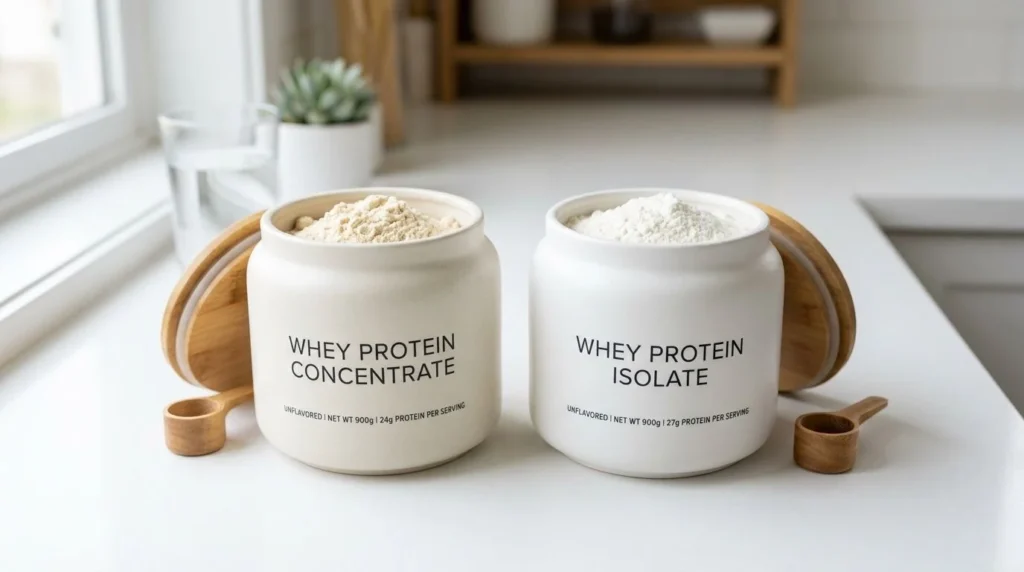
    Two ceramic jars filled with whey protein concentrate and whey protein isolate powders on a kitchen counter.

    Whey Protein and Isolate Protein Comparison Overview

    If you’re standing in a supplement aisle at 6 a.m. or adding a tub to your cart between meetings, the decision usually comes down to three things. How much protein you get per scoop, how your stomach handles it, and how much you want to spend doing that every week.

    Factor Whey Protein Concentrate Whey Protein Isolate
    Protein content Higher percentage of the scoop comes from protein, but with more carbs and fat left in More of the scoop is protein because more of the extras are filtered out
    Lactose content Higher Lower
    Mixing and texture Usually a little creamier Usually lighter and thinner
    Price More affordable More expensive
    Best use Daily shakes, mass gaining, better value over time Leaner macros, lower lactose, faster post-workout shakes when you want a lighter drink

    The table gives you the quick answer. Concentrate is usually the smarter buy for men who want solid daily protein without paying premium prices. Isolate makes more sense if digestion is touchy, calories are tighter, or you want a shake that goes down fast and clean.

    Texture matters more than a lot of guides admit. Concentrate often tastes fuller and can feel more satisfying as a meal-support shake. Isolate usually mixes thinner, which is useful when you need to shake it in a bottle, drink it in two minutes, and get back to work.

    That practical side matters if you already treat nutrition like a system instead of a hobby. Men who are trying to simplify fat loss and muscle retention usually do better with repeatable habits, not perfect supplement choices. If that’s your situation, this guide on losing weight with a personal trainer covers the same bigger-picture idea. Pick the option you will use consistently.

    For a quick overview, use this filter. Choose concentrate if budget and taste matter most. Choose isolate if your stomach is picky or you want the cleanest scoop possible.

    Key Differences Between Whey Protein and Isolate Protein

    Protein Content

    This is the first difference worth paying attention to because it affects what you’re buying.

    A protein powder tub can look large and still deliver less protein than you think if more of the scoop is made up of carbs, fat, and flavoring. That’s where isolate usually earns its higher price. It gives you a denser protein serving.

    Per 30g serving, whey isolate typically gives you around 23g of protein with about 1g of carbs, while concentrate gives 18 to 19g of protein with up to 3.5g of carbs and 1.5g of fat, according to this whey isolate vs whey concentrate comparison.

    That difference matters most for men who:

    • Track macros closely: More protein in the same scoop means less math.
    • Use protein daily: The small gap adds up over time.
    • Want leaner shakes: Less extra stuff per serving keeps the shake simpler.

    If you just need help hitting your daily intake, concentrate still works well. If you want the highest protein yield from each scoop, isolate has the edge.

    Digestion and Lactose

    Many buying mistakes stem from this.

    Some men assume bloating means whey doesn’t work for them. Often it means they don’t tolerate the lactose level in concentrate very well. Isolate usually solves that because more lactose gets removed during processing.

    If milk, ice cream, or standard whey tends to leave you feeling heavy, gassy, or uncomfortable, isolate is the logical test. It won’t guarantee perfect digestion for everyone, but it usually gives you a better shot.

    Concentrate can still be a smart choice if your digestion is fine. In that case, paying extra to remove things your body already handles well may not be worth it.

    If concentrate sits well, keep it simple and save your money. If it doesn’t, isolate is the first upgrade to try before writing off whey completely.

    Absorption Speed

    The internet makes too much of this point, but it still matters a little.

    Both forms are fast proteins. Isolate is generally the quicker, lighter option because there’s less fat and fewer carbs in the way. For most men, though, the practical difference is modest unless your stomach is sensitive or you hate heavy post-workout shakes.

    What actually works:

    1. Use either one after training if it helps you eat enough protein.
    2. Pick isolate if you want a lighter shake right after lifting.
    3. Pick concentrate if you care more about value than a slightly cleaner post-workout feel.

    The best absorption strategy isn’t chasing minute differences. It’s using a powder you’ll take consistently.

    Cost

    Cost is where concentrate makes its strongest case.

    If you compare labels, isolate usually gives you more protein density. But if your digestion is fine and your calorie intake is under control, concentrate often gives better value for regular use.

    The mistake is buying isolate because it sounds more serious. A more expensive tub doesn’t automatically produce better results if your training, sleep, and total diet are average.

    Use a simple buying filter:

    • Choose concentrate when budget matters most.
    • Choose isolate when lower lactose and cleaner macros justify the extra spend.
    • Skip both if you’re already hitting your protein target easily from food.

    Whey Protein and Isolate Protein Pros and Cons

    A tub of unflavored whey protein concentrate powder with a measuring scoop on a wooden kitchen counter.

    Whey Protein Concentrate

    Pros

    • More affordable: This is usually the smartest buy for men who just want dependable daily protein.
    • Widely available: Nearly every major supplement brand carries it.
    • Good overall nutrition profile: It’s less stripped down, which some people prefer.
    • Useful for general muscle gain: If total daily protein is your real problem, concentrate solves it well.

    Cons

    • More lactose: That can be the deal-breaker for sensitive digestion.
    • Lower protein concentration: You get less protein per equal scoop than isolate.
    • Can feel heavier: Some men notice more fullness or bloating, especially with milk-based shakes.

    Concentrate is often the better “default” product. If your gut handles dairy well and your budget matters, it’s hard to beat.

    Whey Protein Isolate

    Pros

    • Higher protein content: It’s the more efficient scoop.
    • Lower lactose: Better for men who don’t do well with standard whey.
    • Leaner macros: Helpful when you want protein without much added carb or fat.
    • Fast, light mixing: Many isolates mix thin and drink easily when you’re in a hurry.

    Cons

    • More expensive: You pay for refinement.
    • Less calorie-dense: That’s useful in a cut, but not always ideal if you need easy extra calories.
    • More processing raises other questions: A 2024 review noted potential concerns around highly processed proteins, including altered gut microbiota effects, and also noted that some protein powders tested by third parties contained heavy metals such as lead and cadmium. That’s why brand transparency matters, as discussed in this 2024 review on whey protein safety and processing concerns.

    If you want a quick way to compare protein sources beyond just whey types, this protein quality chart is useful because it puts whey in context with other common options.

    Better processing doesn’t always mean better for every buyer. Sometimes it just means more filtered, more expensive, and more suitable for a narrower use case.

    Who Should Choose Whey Protein vs Isolate Protein

    You finish training, check the time, and need protein in the next five minutes. That is the key decision point for most busy men. Not lab numbers. Not label hype. You need a powder you will consistently use, can afford to keep buying, and can digest without problems.

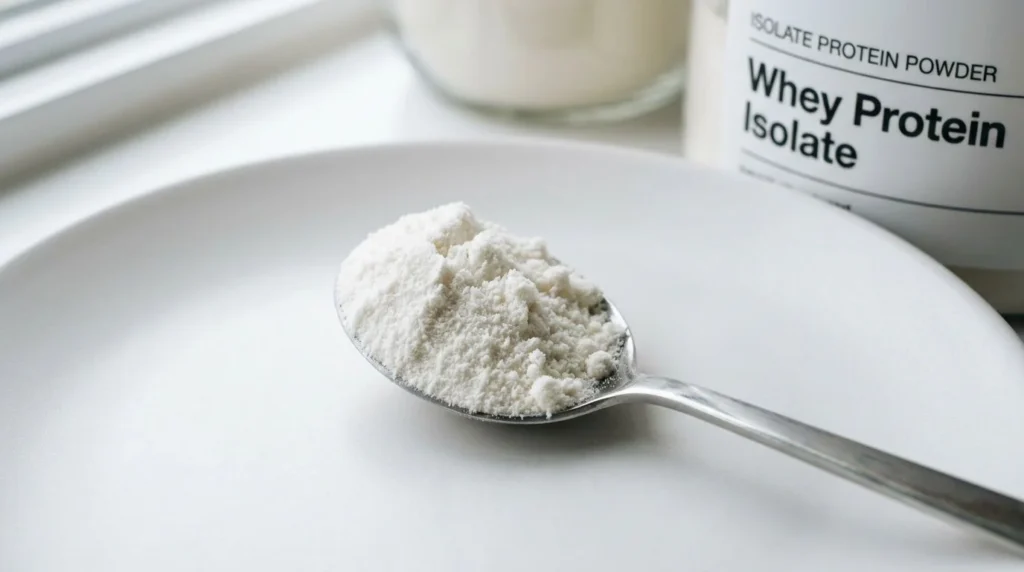
    A silver spoon filled with white whey protein isolate powder rests on a plain white plate.

    For most men, whey concentrate is the starting point. It is usually cheaper, works well in daily shakes, and supports muscle gain just fine if your total protein intake is where it needs to be. If your stomach handles dairy well, there is usually no strong reason to jump straight to isolate.

    Choose Whey Protein if

    • You want the best cost per serving: This is usually the smarter buy for daily use.
    • You digest dairy without much trouble: If regular whey sits fine, keep it simple.
    • You want one powder for general use: Post-workout, breakfast, or a quick afternoon shake.
    • You are trying to build muscle on a budget: Saving money on each tub makes long-term consistency easier.

    Choose Isolate Protein if

    • Regular whey leaves you bloated or gassy: Lower lactose is the main practical reason to switch.
    • You want a leaner scoop: Less carb and fat can make tracking easier during a cut.
    • You care about light texture and fast mixing: Isolate often mixes thinner, which matters if you are drinking it between meetings or in the car after training.
    • You want more protein per scoop: That can help if calories are tight and you still need to hit your target.

    The long-term question is simple. Which one will you keep using for the next six months without resenting the price or the digestion issues? Men who train hard but hate spending money on supplements usually do better with concentrate. Men who are cutting, tracking closely, or tired of stomach discomfort usually do better with isolate.

    If fat loss is part of the goal, the powder matters less than the full plan. A shake can help you hit protein, but it will not fix overeating, poor meal structure, or inconsistent training. A practical guide to losing weight with a personal trainer is more useful than obsessing over a small difference between two whey products.

    My practical rule is straightforward. Start with whey concentrate. Switch to isolate only if one of three things happens: digestion is poor, your calories need tighter control, or you want a faster, lighter shake that fits a rushed schedule better.

    How to Use Whey and Isolate Protein Effectively

    Most men don’t need a complicated protocol. They need a routine they’ll follow.

    A practical serving is 20 to 30g daily if you’re using powder to support muscle recovery or fill a protein gap. Isolate fits well when you want that range with less lactose and a leaner scoop. Concentrate fits when you want a more affordable daily shake.

    Timing that actually works

    Protein timing matters less than total daily intake, but there are still smart windows to use it:

    1. After training: Easy and convenient if you don’t want to cook right away.
    2. With breakfast: Useful if mornings are light on protein.
    3. Between meals: Good when work wipes out your schedule.

    Quick mixing without clumps

    If you’re always in a rush, do this in order:

    • Liquid first: Water or milk goes in before powder.
    • Powder second: This helps reduce dry clumps at the bottom.
    • Shake hard for a short burst: Don’t half-mix it and hope.
    • Drink right away: Letting it sit too long can thicken the texture.

    If you need a better bottle setup for fast shakes, a solid protein shaker bottle guide helps cut down on mess and clumping.

    Two fast ways to use it

    • Oatmeal add-in: Stir a scoop into cooked oats after they cool slightly.
    • Simple smoothie: Blend protein, milk or water, a banana, and ice.

    If you’re using shakes as part of a cut, your total intake matters more than whether you picked concentrate or isolate. A tool like this macro calculator for weight loss can help you set the bigger picture.

    Keep protein powder in its lane. It’s a convenience food, not a shortcut around poor training or sloppy eating.

    Best Whey Protein and Isolate Protein Options

    You finish training, have ten minutes before the next call, and need a shake that mixes fast, sits well, and fits the budget. That is the right way to buy protein. Start with the job it needs to do in your day, then pick the formula that creates the least friction.

    For most men, the best whey concentrate option is the one you will use consistently. Check the label for a solid protein serving, a short ingredient list, and a flavor you will not get tired of after two weeks. Concentrate usually makes the most sense for men who want a daily shake without paying isolate prices month after month.

    Isolate is the better buy if regular whey leaves you bloated, if you want a lighter shake, or if you care about getting more protein in a tighter calorie budget. It also tends to mix a little cleaner in water, which matters if you are making a shake in the car, at the office, or between errands.

    Your powder choice matters less if you are not tracking whether your plan is working. A reliable body composition scale for tracking muscle and body fat trends gives you a better read than body weight alone.

    A few practical picks:

    • Buy Optimum Nutrition Gold Standard 100% Whey
    • Buy Dymatize ISO100 Whey Protein Isolate

    Frequently Asked Questions About Whey Protein

    Which has more protein

    Isolate has more protein per serving. It’s more filtered, so more of the scoop is protein and less of it is lactose, carbs, and fat.

    Which is better for muscle gain

    Both can work for muscle gain. If your total daily protein and training are in place, either one can support progress. Concentrate is usually the better value choice for this.

    Is isolate better for digestion

    Usually, yes. Isolate contains less lactose, so it tends to be easier for men who get bloating or stomach discomfort from regular whey.

    Which is better for beginners

    Concentrate is usually better for beginners. It costs less, works well for general use, and gives you a simple way to increase protein without overcomplicating things.

    If you’re trying to improve recovery, body composition, and overall training results, don’t isolate your supplement choices from the rest of your health habits. A practical read on how to boost testosterone naturally fits well alongside smart training and nutrition basics.


    Alpha Dad Mode at alphadadmode.com covers practical fitness, recovery, nutrition, and everyday performance for men who want useful advice without the fluff. If you want more straight answers on training, health, gear, and routines that fit real life, it’s worth a read.

    fitness supplements muscle gain protein powder whey concentrate vs isolate whey protein and isolate protein
    Share. Facebook Twitter Pinterest LinkedIn Tumblr Telegram Email
    The Dad Team
    • Website

    Related Posts

    Build Bigger Arms in 2026: dumbbell workouts for arms​

    April 22, 2026

    Discover The Best men’s dress sneakers​ for 2026

    April 22, 2026

    Project Turntables: Which Model Should You Choose?

    April 19, 2026
    Leave A Reply Cancel Reply

    Recent Posts
    • Build Bigger Arms in 2026: dumbbell workouts for arms​
    • Discover The Best men’s dress sneakers​ for 2026
    • Whey Protein and Isolate Protein​: What’s the Difference?
    • Kia Camper Van 2026: Is This the Best New Camper?
    • The Roger Clubhouse: The Cleanest Sneaker Right Now?
    About Us

    Alpha Dad Mode is built for fathers who refuse to settle for average. We believe being a great dad starts with becoming the strongest version of yourself—physically, mentally, and emotionally. Our mission is to equip men with practical tools, honest guidance, and real-world motivation to lead their families with confidence, discipline, and integrity.

    Email Us: support (at) alphadadmode.com

    Our Picks

    Build Bigger Arms in 2026: dumbbell workouts for arms​

    April 22, 2026

    Discover The Best men’s dress sneakers​ for 2026

    April 22, 2026

    Whey Protein and Isolate Protein​: What’s the Difference?

    April 22, 2026
    Most Popular

    Build Bigger Arms in 2026: dumbbell workouts for arms​

    April 22, 2026

    What is the Worst Age for Divorce for Children (What Studies Really Say)

    January 28, 2026

    10 Actionable Date Night Ideas at Home in 2026

    January 28, 2026
    © 2026 Alpha Dad Mode. Designed by Alpha Dad Mode.
    • Home

    Type above and press Enter to search. Press Esc to cancel.