


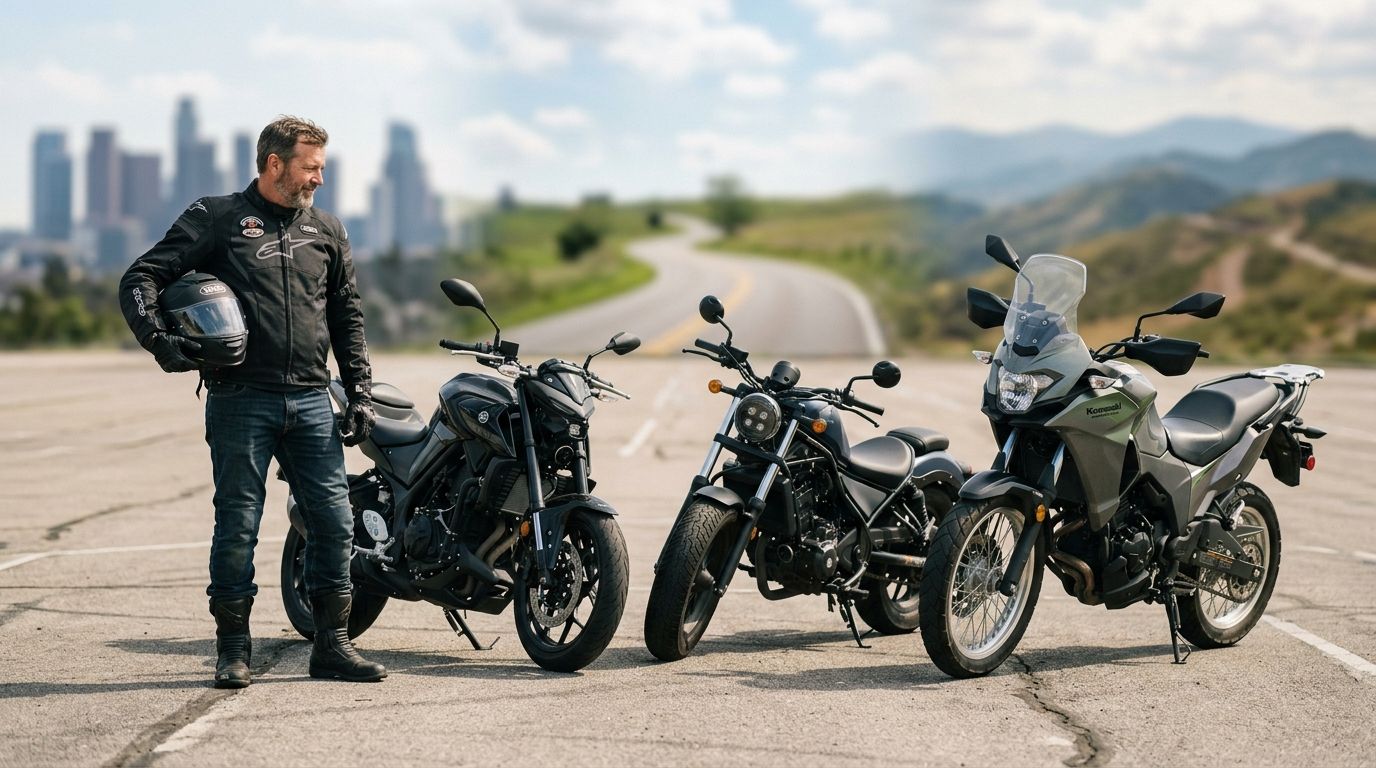
If you’re searching for the best starter motorcycle, choosing your first bike can feel overwhelming with all the options, specs, and opinions out there. Don't worry, you don’t need the most powerful or flashy bike to get started. This simple guide will help you choose the right first motorcycle for beginners, focusing on safety, confidence, and fun.
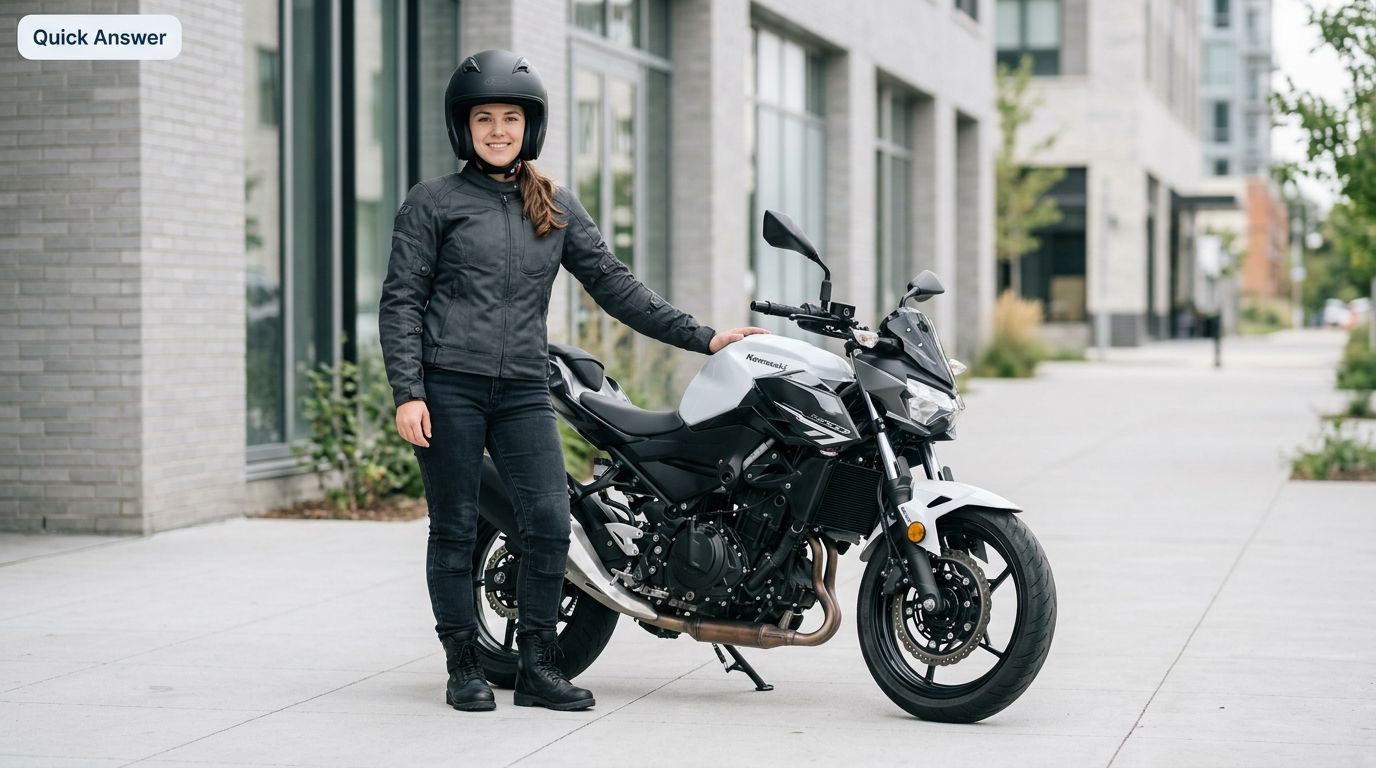
Quick Answer: How to Choose a Starter Motorcycle
- Choose a lightweight, easy-to-handle motorcycle.
- An engine size of 250cc–400cc is ideal for most beginners.
- Focus on comfort, balance, and control.
- Avoid overly powerful bikes at the start.
- Look for reliability and low maintenance.
What Makes the Best Starter Motorcycle?
Forget the temptation to buy the fastest, most aggressive-looking bike on the showroom floor. The best starter motorcycle has one job: to help you build skill and confidence safely. The right bike makes learning enjoyable, while the wrong one makes it frustrating and dangerous.
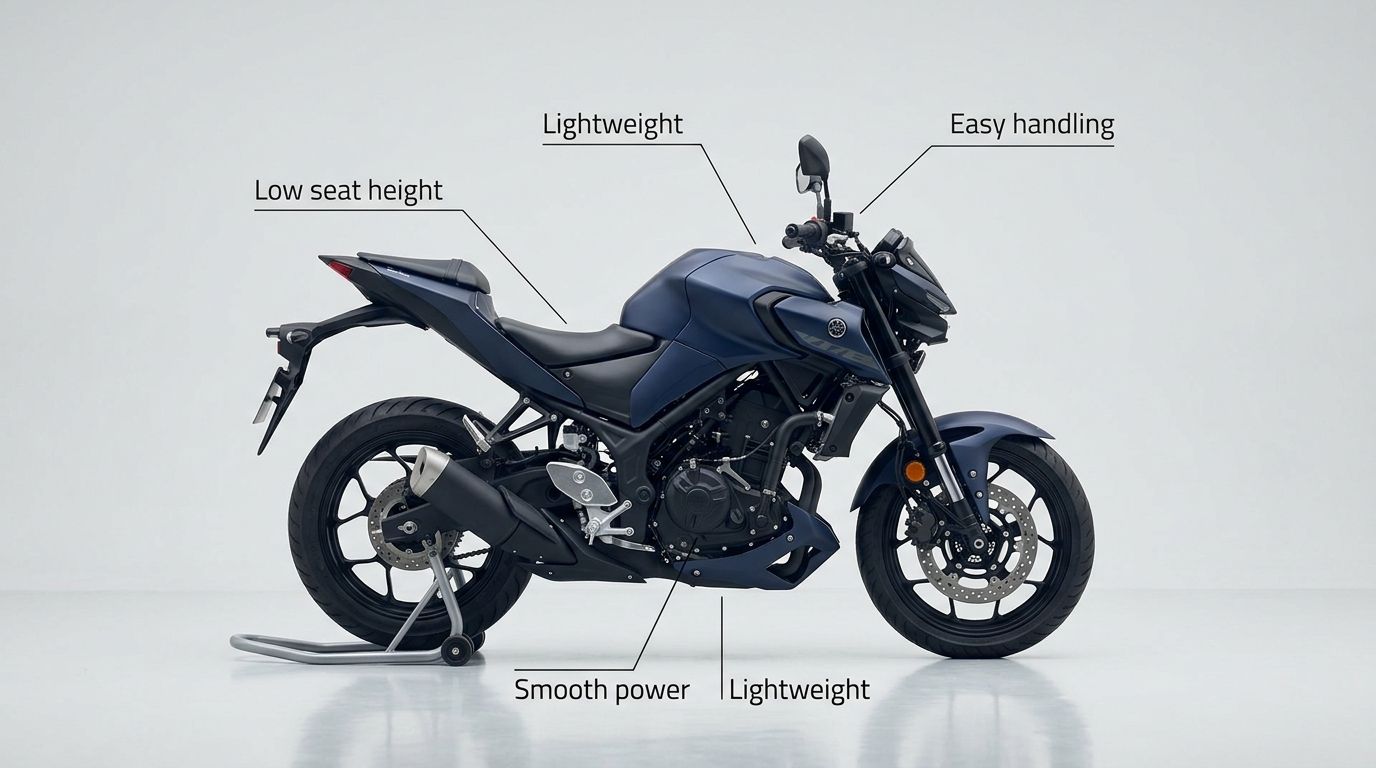
Here are the key factors to look for:
- Lightweight: A lighter bike is less intimidating and easier to maneuver, especially at low speeds. This makes parking, turning, and handling much more manageable.
- Low Seat Height: Being able to plant your feet firmly on the ground at a stop provides stability and a huge confidence boost. It eliminates the anxiety of balancing on your tiptoes.
- Smooth Power Delivery: A good beginner bike offers predictable power without sudden, jerky acceleration. This allows you to learn throttle control without any scary surprises.
- Easy Handling: Look for a motorcycle that feels natural and responsive. A comfortable, neutral riding position helps you focus on the road instead of fighting the bike.
Best Starter Motorcycle Types for Beginners
Motorcycles aren't one-size-fits-all. Understanding the basic types is the first step toward finding the best beginner bike for your needs.
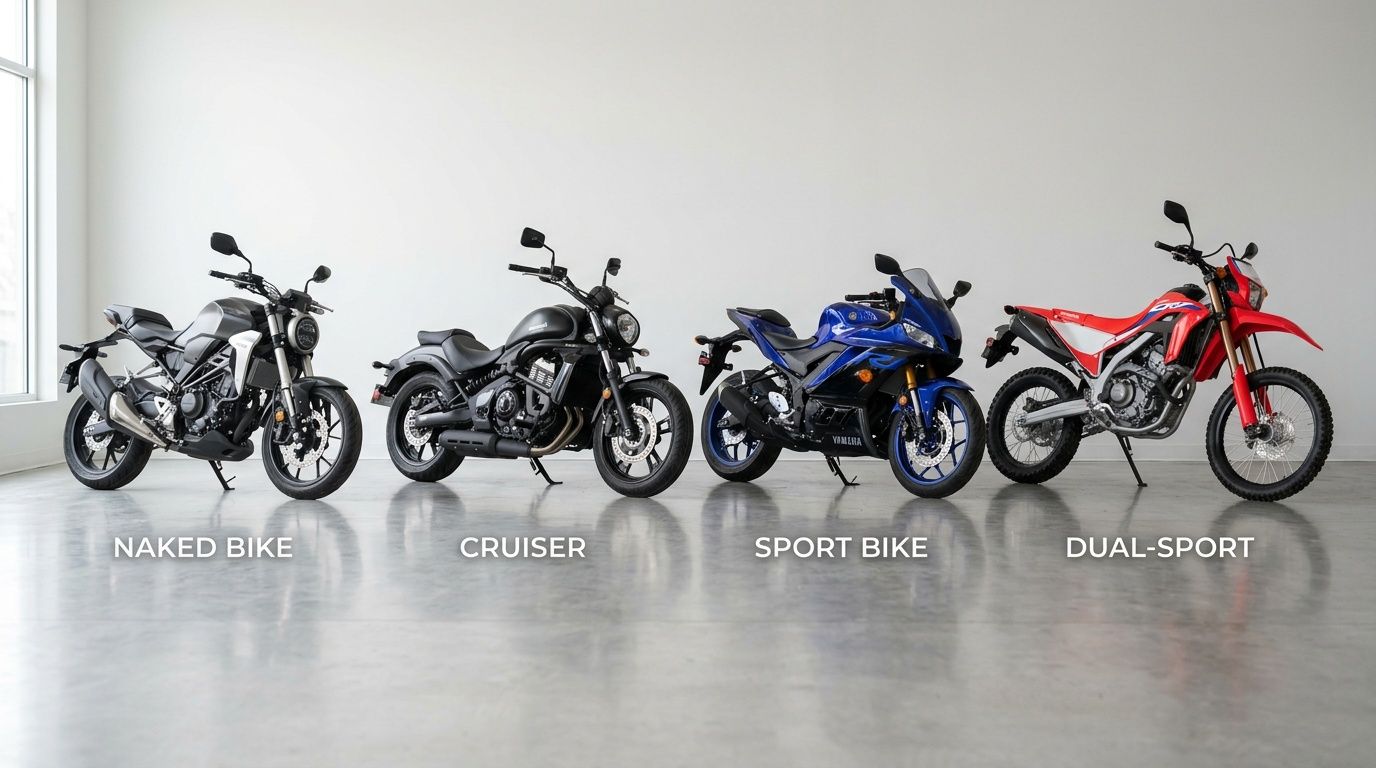
- Naked Bikes: With their simple design and upright riding position, naked bikes are fantastic all-rounders. They are lightweight, easy to control, and perfect for city commuting and general riding.
- Sport Bikes (Entry-Level): These bikes offer the aggressive look of a race bike but with a beginner-friendly engine (usually under 400cc). The riding position is slightly leaned forward but still manageable for new riders.
- Cruiser Bikes: Known for their relaxed, feet-forward riding position and low seats, cruisers are great for comfort. They are an excellent choice for laid-back rides and building confidence at stops.
- Dual-Sport Bikes: These versatile bikes are designed for both on-road and off-road adventures. Their rugged build and flexible suspension make them a great first motorcycle for beginners who want to explore beyond the pavement.
Best Starter Motorcycle Options
Here are a few popular choices that are consistently recommended as the best starter motorcycle for new riders. These models are worth considering as you start your search.
Honda Rebel 500
- Engine: 471cc
- Why it’s good for beginners: An incredibly low seat height and smooth power delivery make it one of the easiest bikes to learn on.
- Ideal use case: City commuting and relaxed weekend cruises.
- Check price on RevZilla.com
Kawasaki Ninja 400
- Engine: 399cc
- Why it’s good for beginners: This popular first bike choice combines sporty looks with forgiving handling and a slipper clutch for smoother shifting.
- Ideal use case: Learning sport riding on curvy roads.
- View details on YouTube
Yamaha MT-03
- Engine: 321cc
- Why it’s good for beginners: Its lightweight frame and upright ergonomics make it incredibly easy to handle, which is a great option for beginners.
- Ideal use case: A do-it-all bike for daily commutes and city riding.
- View details at Yamaha Motorsports
KTM 390 Duke
- Engine: 373cc
- Why it’s good for beginners: It's an ultra-light and agile bike packed with modern features, making it a fun and rewarding bike to grow with.
- Ideal use case: Aggressive city riding and weekend fun.
- Check price at KTM
What CC Is Best for a Beginner?
Choosing the right engine size (measured in cubic centimeters, or cc) is critical for a first-time rider.
- 125cc–300cc: This range is ideal for learning. These engines provide enough power for city streets but are extremely manageable and forgiving.
- 300cc–400cc: A great sweet spot that offers enough power for highway riding while still being easy to control. A lightweight motorcycle in this range is perfect for most new riders.
- Avoid 600cc+: High-performance bikes with large engines are not recommended for your first motorcycle. Their power is too abrupt and can be dangerous for someone still learning.
How to Choose Your First Motorcycle
Keep these four factors in mind to find the right bike for you.
- Fit: Can you comfortably reach the handlebars? Most importantly, can you place your feet firmly on the ground?
- Weight: Choose a bike that feels manageable. A lighter machine is easier to control and less intimidating.
- Budget: Remember to factor in the cost of gear, insurance, and maintenance, not just the bike's price tag.
- Purpose: Will you be commuting in the city or cruising on the highway? Match the bike style to your primary use.
Essential Gear for First-Time Riders
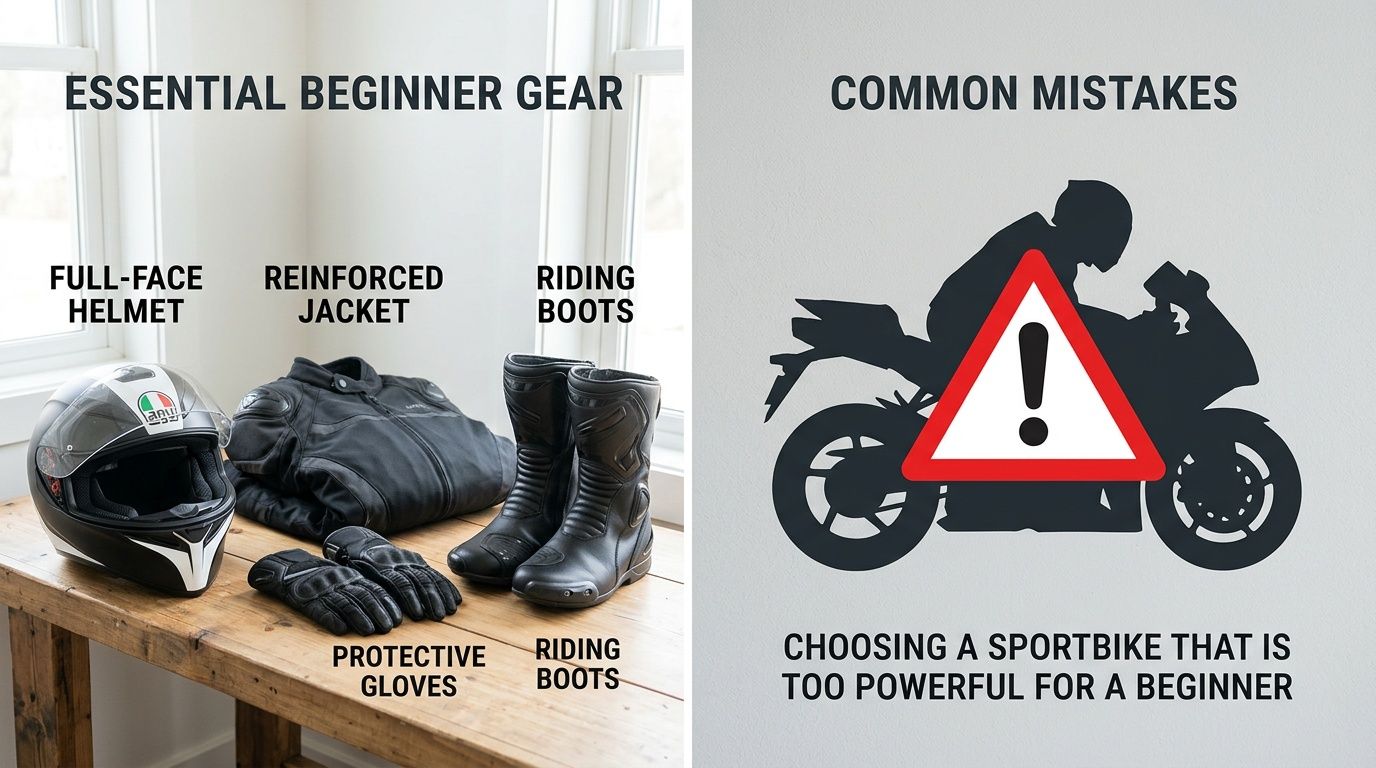
Your safety gear is just as important as your motorcycle. Here are the essentials worth investing in:
- Helmet: A DOT or ECE-certified full-face helmet is critical for safety.
- Riding Jacket: A jacket with built-in armor protects you from impact and abrasion. This is a highly recommended investment.
- Gloves: Motorcycle gloves protect your hands and improve your grip on the controls.
- Boots: Sturdy, over-the-ankle boots protect you from injury and provide better footing.
A good starting point for gear can be found at retailers like RevZilla.
Common Mistakes Beginners Make
Avoid these common traps to ensure a positive start to your riding journey.
- Choosing too powerful of a bike: A 600cc+ supersport is not a beginner motorcycle.
- Ignoring comfort: If a bike is uncomfortable, you won't want to ride it.
- Skipping safety gear: Adopt an "All The Gear, All The Time" (ATGATT) mindset from day one.
- Buying based on looks only: Prioritize fit and function over pure aesthetics for your first bike.
Beginner Riding Tips
- Practice in open areas: Spend time in an empty parking lot to master clutch control, braking, and slow-speed turns.
- Learn braking control: Practice smooth, progressive braking with both the front and rear brakes.
- Stay relaxed: A tense body makes it harder to control the motorcycle. Relax your arms and grip.
- Take a riding course: The Motorcycle Safety Foundation (MSF) course is the best investment you can make in your safety.
Frequently Asked Questions
-
What is the best starter motorcycle for beginners?
The best starter motorcycle is lightweight, has a low seat, and features a manageable engine (250cc-400cc). Models like the Honda Rebel, Kawasaki Ninja 400, and Yamaha MT-03 are popular for a reason. -
Is 300cc enough for a beginner?
Yes, 300cc is plenty for a beginner. It provides enough power for highway speeds while remaining easy to control, making it an excellent choice for learning. -
How much should I spend on my first bike?
Expect to spend $4,000–$7,000 on a new or used beginner bike. Be sure to budget an additional $1,000+ for essential safety gear and insurance. -
Can beginners ride sport bikes?
Yes, as long as they are entry-level models (like a Ninja 400). These bikes have the sporty look but with power and handling that are forgiving for new riders. -
What should I avoid in my first motorcycle?
Avoid bikes that are too heavy, too powerful (over 600cc), or too tall for you to comfortably plant your feet on the ground.
Conclusion
Choosing the best starter motorcycle is about finding a bike that builds your comfort, control, and confidence. It’s not a race to get the most powerful machine. Start simple, prioritize safety, and select a motorcycle that feels right for you. By focusing on a lightweight, manageable bike, you'll set yourself up for years of enjoyable and safe riding. For more on getting started, check out our related guides on bed bike racks for trucks and even what to do after a motorcycle accident.
For more no-nonsense guides on gear, skills, and fatherhood, check out alphadadmode.com and join a community of dads committed to leading from the front. Learn more at https://alphadadmode.com.
Original article content preserved for links and images
