


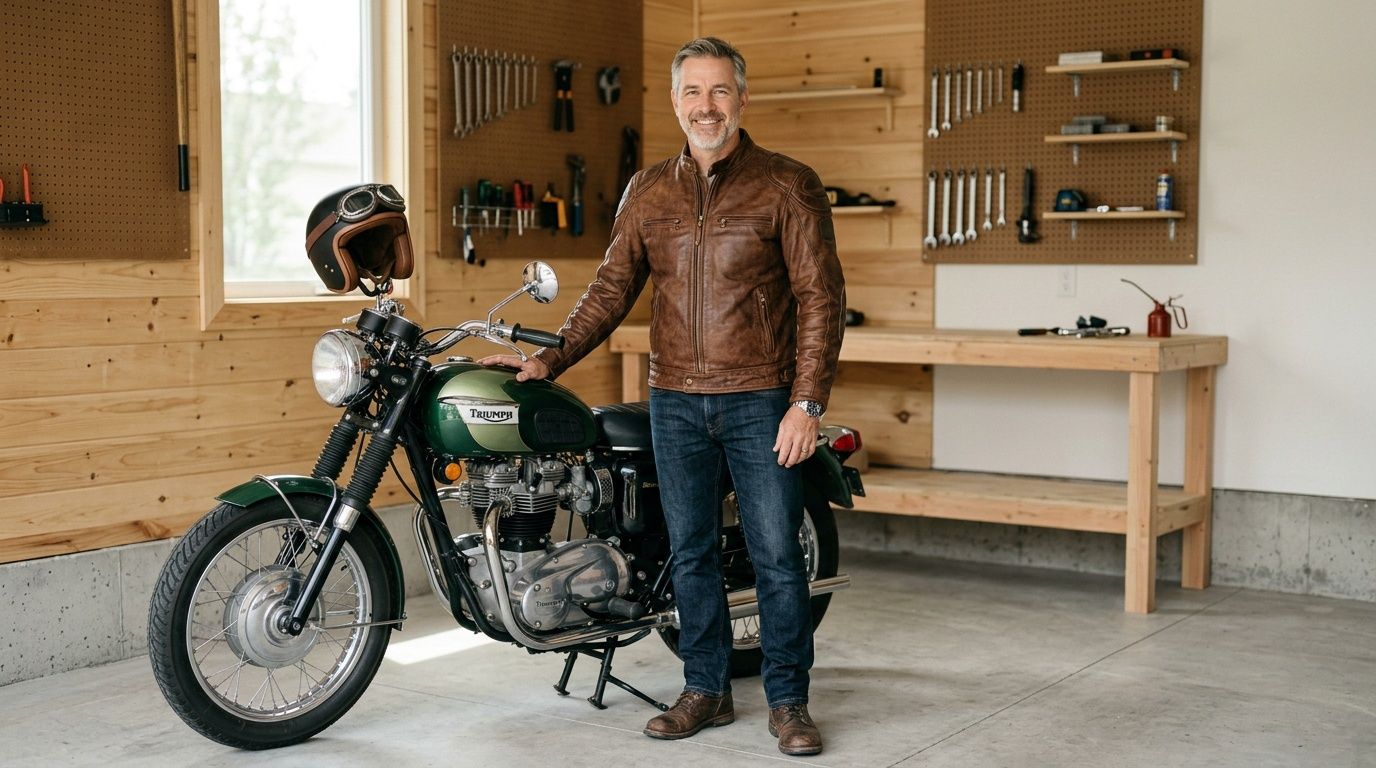
Modern retro jackets are the better choice for most riders. Waxed cow leather in 0.9–1.1 mm can achieve CE AA certification and withstand over 4 seconds of slide time at 70 km/h, while Cordura-Kevlar hybrids can deliver similar abrasion resistance at up to 50% less weight, which gives you the vintage look with protection an authentic vintage jacket usually can’t match.
Introduction
Quick Answer
Yes. For most riders, buy a modern retro jacket instead of an authentic vintage one because it gives you the classic look with protection features that matter when a ride goes wrong.
If you want one jacket that looks right on an old Triumph, a modern naked bike, or something like the Yamaha XSR900 GP, modern retro is the smarter buy.
A lot of men end up stuck on the same question. They find an old leather jacket with real character, great patina, and the kind of style that newer gear keeps trying to copy. Then reality kicks in. Does it protect you on the road, or does it just look the part?
This is the core distinction with motorcycle retro jackets. One side gives you heritage and authenticity. The other gives you classic styling with modern armor, stronger construction, and materials built for actual riding.
If you ride regularly, commute, tour on weekends, or have people depending on you to come home in one piece, the decision gets simpler than it first seems.
What Exactly Is a Motorcycle Retro Jacket
A motorcycle retro jacket is a riding jacket designed to look classic while using either traditional materials or modern protective construction.
Simple definition: It’s a jacket with old-school motorcycle style, but it may be either a true vintage piece or a new riding jacket built to imitate that look.
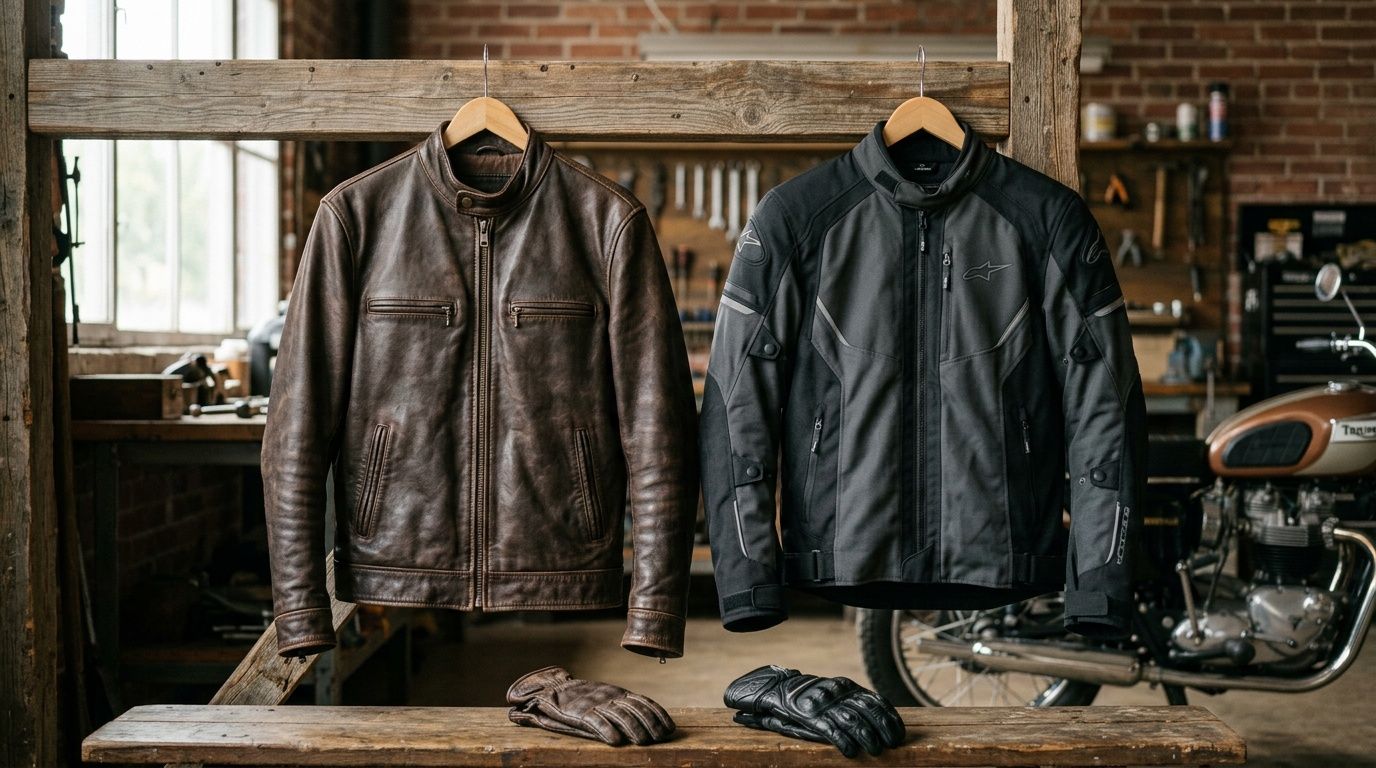
Authentic vintage vs modern retro
These two categories get mixed together all the time, and they shouldn’t.
- Authentic vintage jacket means an older, original jacket from a past era. It might be collectible, beautifully broken in, and full of history.
- Modern retro jacket means a new jacket made today with vintage cues like an asymmetrical zip, snap collar, belt details, quilted panels, or a cafe racer silhouette.
- The big difference is purpose. A vintage jacket may be a heritage piece first. A modern retro jacket is usually trying to balance style with real riding function.
That difference matters more than most buyers think.
Why the style still exists
The reason retro motorcycle jackets still work is simple. The original design was functional before it became iconic.
In 1928, Schott NYC introduced the first purpose-built motorcycle jacket, the Perfecto, for $5.50 at a Harley-Davidson dealership. It was also the first to use a diagonal zipper, a design that prevented bunching and improved wind resistance, which established the blueprint for the jackets that followed, as detailed in this history of the Schott Perfecto and motorcycle jacket design.
That’s why the shape still makes sense today. The off-center zip, the aggressive front closure, the snug waist, and the shorter cut weren’t fashion gimmicks. They solved riding problems.
A good retro jacket should still do what the early motorcycle jacket did best. Stay out of the wind, stay close to the body, and avoid getting in your way on the bike.
Core Differences Vintage Look vs Modern Protection
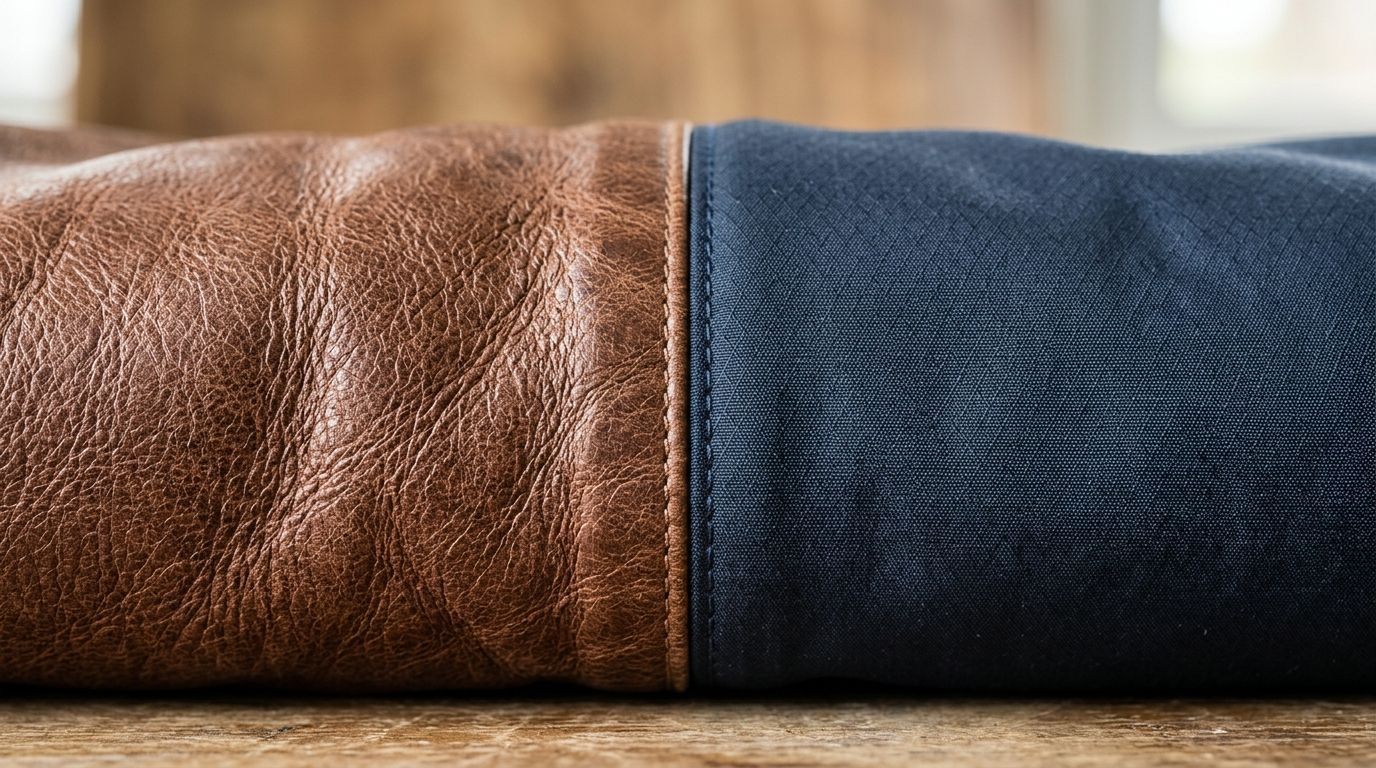
The cleanest way to compare them is to stop thinking like a collector and start thinking like a rider.
Modern retro-inspired jackets are often equipped with CE-rated armor, reinforced seams, and abrasion-resistant textiles, features rarely found in authentic vintage gear, which makes them more suitable for real-world riding where impact protection matters, as noted in Ride Iron’s breakdown of vintage versus retro-inspired motorcycle jackets. If you like heritage style beyond motorcycles, a good comparison point is how men weigh looks versus utility in a men’s waxed canvas jacket.
Performance
A jacket can look perfect in the garage and still be the wrong tool on the road.
- Modern retro wins on protection. It’s built with riding in mind, not just style.
- Vintage wins on feel. Old leather often has a depth and break-in that new gear takes time to develop.
- Modern retro works better in mixed conditions. It usually handles commuting, weather changes, and longer hours in the saddle more predictably.
- Vintage is more of a gamble. Age, wear, old stitching, and unknown history make it harder to trust.
If you ride, this category usually decides the whole purchase.
Design and appearance
Indeed, vintage still hits hard.
- Authentic vintage has genuine patina. Not the factory-made version. This is the original.
- Modern retro is cleaner and more consistent. Better fit, fewer surprises, easier sizing.
- Vintage often has stronger personality. Scratches, grain, old hardware, and wear marks make each piece unique.
- Modern retro gives you the same visual language. Asymmetrical zips, cafe racer lines, brass or blacked-out hardware, quilt panels, and muted colors still deliver the classic look.
For most men, modern retro gets close enough visually that the safety advantage outweighs the romance of an original.
Interior and technology
Vintage jackets usually show their age inside first.
- Modern retro jackets often include armor pockets.
- Liners are usually more practical in newer gear. Better comfort, easier layering, and more predictable fit with base layers.
- Closures and seams are stronger in purpose-built current gear.
- Vintage interiors can be rough. Old linings, stretched sleeves, and awkward arm mobility show up fast once you ride in them.
Practical rule: If the jacket only shines when you’re standing still, it’s not a good riding jacket.
Price and value
This one depends on what you’re buying the jacket for.
- Vintage can be worth it if you collect, restore old bikes, or want a true period-correct piece.
- Modern retro usually gives better riding value because you’re paying for current protection and fewer compromises.
- Cheap vintage can become expensive fast if it needs repair, relining, or still doesn’t meet your needs.
- Modern retro is easier to buy right the first time.
Direct answer
If your priority is riding, modern retro is the better buy. If your priority is collecting, casual wear, or period authenticity, vintage still has a place.
Materials Deep Dive Leather vs Modern Textiles
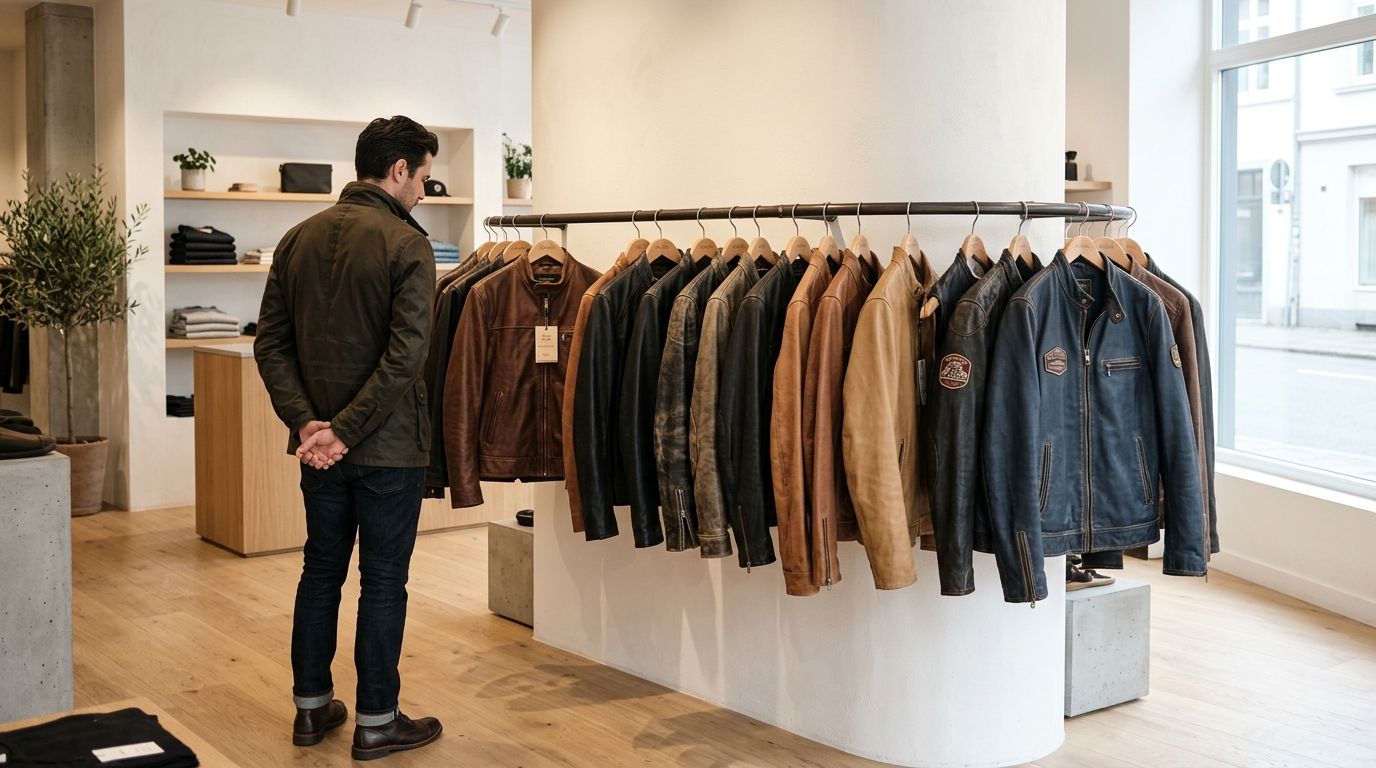
A retro jacket has to do two jobs at once. It has to look right when you throw a leg over a classic or neo-retro bike, and it has to hold up when the ride goes wrong.
Material choice decides how close you get to both.
If you already know how to judge hard-wearing outerwear like a canvas work jacket, some of that instinct helps here. Check shell strength, how the fabric reacts to rain and heat, and whether the jacket still works with your arms stretched to the bars instead of hanging straight down.
Waxed leather
Waxed leather is still the benchmark for the retro look. It gives you the grain, weight, and surface character most textile jackets cannot fully copy.
Good motorcycle-specific waxed leather also does more than age well. As noted earlier, current versions can meet modern certification standards and support proper shoulder and elbow armor, which is what separates a riding jacket from a style piece.
There are real trade-offs.
Leather is heavier. On a short ride, that weight can feel planted and reassuring. On a long day, in stop-start traffic, or in hot weather, the same jacket can become tiring. Break-in is another factor. Some riders like that process because the jacket shapes itself to their posture over time. Others just want comfort on day one.
Waxed finishes help in light rain and road spray, but leather still needs care. Ignore maintenance and it can dry out, stiffen, or lose some of the supple feel that makes it work on the bike.
Choose waxed leather if these points matter most:
- Authentic retro appearance
- Better off-bike wear
- A natural break-in that develops character
- You do not mind extra weight and routine care
Cordura and Kevlar hybrids
Modern retro textiles solve problems leather never really fixed. They cut weight, usually dry faster, and tend to be easier to live with if you ride often instead of dressing for the occasional Sunday run.
Cordura and aramid-reinforced blends are the usual formula. The better ones are built for abrasion, tear strength, and impact protection placement first, then styled to look old-school second. That order matters if you commute, ride in mixed weather, or have a family expecting you home in one piece.
They also make practical sense in heat. Less weight on your shoulders and better airflow reduce fatigue, especially in traffic or at lower speeds where heavy leather starts to feel like work.
The downside is simple. Even very good textile jackets rarely match leather for depth, patina, and that broken-in heritage look up close. From ten feet away, many pass just fine. In your hands, leather still feels richer.
Textile hybrids make the most sense if you want:
- Less fatigue across regular rides
- Easier care and faster drying
- Better comfort in warm or changing conditions
- A jacket you will keep wearing because it asks less of you
Which material works best
For a rider making the smart, responsible call, the question is not which material sounds more romantic. The question is which one you will wear on the rides you do.
Waxed leather suits the rider who wants the classic look and accepts the weight, upkeep, and warmer feel. Modern textile suits the rider who puts mileage, comfort range, and lower fatigue first.
I usually give the same advice. If the jacket is for frequent road use, especially commuting or mixed-weather riding, modern textile is often the better tool. If the jacket is for shorter rides, fair-weather use, and you care a lot about authentic style, waxed leather still earns its place.
Direct answer
Choose modern waxed leather for the strongest retro character with current riding credibility. Choose a quality retro-style textile jacket if comfort, lower weight, and day-to-day usefulness matter more than getting the last bit of old-school feel.
A Practical Guide to Buying Your Jacket
Buying a retro jacket gets easier when you stop asking, “Does it look cool?” and start asking, “Will I still like this after a full ride?”
If you carry daily gear, that question matters even more when your jacket has to work alongside practical kit like a waterproof motorcycle backpack.
Modern Retro vs. Authentic Vintage Jacket Comparison
| Feature | Modern Retro Jacket | Authentic Vintage Jacket | Best For |
|---|---|---|---|
| Protection | Usually includes armor compatibility and reinforced construction | Usually lacks modern impact protection | Regular riding |
| Style | Vintage-inspired, cleaner, more consistent | Genuine heritage character and patina | Collectors and style-first buyers |
| Fit | More predictable sizing and riding ergonomics | Can be inconsistent, stiff, or awkward | Buyers who want fewer surprises |
| Weather use | Better for mixed conditions | More limited and less predictable | Commuters and weekend riders |
| Maintenance | Easier to own long term | May need repairs or special care | Riders who want convenience |
| Off-bike appeal | Strong | Excellent | Everyday casual wear |
Takeaway: If the jacket’s main job is riding, modern retro usually gives you the better overall package.
Pros and cons
Modern retro jacket
Pros
- Safer for road use
- Easier to fit correctly
- Better for commuting and touring
- More versatile across weather and seasons
Cons
- Can feel less special than true vintage
- Some models overdo the “heritage” styling
- Premium versions can get expensive
Authentic vintage jacket
Pros
- Real character you can’t fake
- Strong collector appeal
- Often looks better with age
Cons
- Protection is usually behind current standards
- Fit can be hit or miss
- Condition is never guaranteed
Fit matters more than most buyers think
A motorcycle jacket should fit closer than a casual fashion jacket.
Look for this:
- Snug shoulders that don’t hang wide.
- Sleeves that work in riding position, not just when standing naturally.
- No loose body flapping at speed.
- Room for a base layer, but not so much room that armor would shift.
A jacket that feels slightly firm in the shop often feels right on the bike. A jacket that already feels roomy in the shop usually ends up too loose once the wind hits it.
What to check on the product tag
Smart buyers separate gear from costume.
- Certification label. Look for clear CE certification language.
- Armor pockets or included armor. If there’s no provision for shoulders, elbows, and back, that’s a warning sign for actual riding.
- Stitching quality. Uneven seams, loose threads, and weak stress points are hard passes.
- Closure hardware. Zippers and snaps need to feel solid, not decorative.
- Liner design. A good liner helps comfort and layering. A bad one twists, bunches, and traps heat.
What works and what doesn’t
What works:
- A modern retro jacket with understated styling and obvious riding intent.
- A leather model if you prioritize feel and classic presence.
- A textile retro option if you ride often and want less hassle.
What doesn’t:
- Buying vintage because it “should” be cooler, then avoiding it because it’s impractical.
- Buying a fashion jacket that looks like riding gear.
- Buying too loose because snug feels unfamiliar at first.
Buy for the ride you actually do, not the identity you like in your head.
Who Really Needs Each Type of Jacket
Some riders already know the answer once they’re honest about how they use the bike.
Who should buy a modern retro jacket
This is the right move for:
- Daily commuters who need one jacket that works without drama
- Weekend riders who care about safety and still want classic style
- Men with passengers or family responsibilities who won’t treat protection like an optional extra
- Riders with modern retro bikes, standards, cafe racers, and scramblers
If you want the look without giving up common sense, this is your lane.
Who should buy an authentic vintage jacket
This fits a narrower buyer.
- Collectors
- Show-bike owners
- Fair-weather riders doing short casual rides
- Men who want a heritage piece for off-bike wear first, riding second
Vintage makes sense when authenticity is the point.
Who should avoid each type
Avoid modern retro if:
- You only care about historical accuracy
- You want a pure collector piece
- You dislike modern construction hidden under classic styling
Avoid authentic vintage if:
- You ride regularly in traffic
- You want dependable protection
- You expect one jacket to do everything
Edge cases
You want to add armor to a vintage jacket
Possible, sometimes. Usually awkward.
Old jackets rarely have the pockets, cut, or internal structure to hold armor where it needs to stay. You can modify them, but results vary.
You want one jacket for riding and daily casual wear
Modern retro is usually best.
The trick is avoiding overly aggressive branding and choosing a silhouette that looks normal off the bike.
You ride mostly in hot weather
A retro-style textile jacket makes more sense than heavy leather.
This is one of the easiest cases where practicality should beat nostalgia.
You own a true classic motorcycle and want period-correct style
That’s one of the few times authentic vintage has a strong argument.
Just be honest with yourself about whether you want a riding jacket or a matching artifact.
You mostly ride short urban trips
You might get away with either, but modern retro still gives you fewer compromises.
Short rides don’t remove risk. They just make people underestimate it.
Final Verdict and Recommendation
Yes, buy a modern retro jacket if you want classic style, regular road use, better comfort, and modern protection in one piece.
No, don’t buy an authentic vintage jacket as your main riding jacket if safety, versatility, and predictable performance matter more than collector value.
For most riders, motorcycle retro jackets make the most sense when they’re new jackets built with old-school design and modern protective thinking.
The smartest buy is simple. Get the retro look you want, then insist on the protection you’d regret not having.
Frequently Asked Questions About Retro Jackets
Are modern retro jackets safer than authentic vintage jackets?
In real riding, yes. A modern retro jacket is built around crash protection, not just style, so it usually gives you better abrasion performance, better armor support, and a more predictable fit at speed.
That matters if the jacket is going to be used on actual road miles instead of short casual rides.
Can you add armor to a vintage motorcycle jacket?
Sometimes, but the result is often compromised. Older jackets usually do not have proper armor pockets, and even if you squeeze pads in, they may shift away from the shoulder or elbow when you hit the ground.
A vintage jacket can still work as a casual piece. It is a weak choice for a rider who wants one jacket to do the job properly.
Are retro textile jackets as good as leather?
For some riders, yes. Retro textile jackets are lighter, easier in warm weather, and often more practical for commuting or mixed daily use.
Leather still has advantages in feel, durability, and that traditional look many riders want. Textile makes more sense if comfort, lower weight, and easier upkeep matter more to you than the full old-school leather character.
What is the difference between CE Level 1 and Level 2 armor?
Level 2 armor absorbs more impact than Level 1. In plain terms, it gives you a bigger safety margin in a hard hit, but it is often thicker, stiffer, and a little less comfortable.
That trade-off is worth thinking about. If you do longer road rides, carry speed, or have a family expecting you home, Level 2 is usually the smarter call. If comfort is the only reason you leave armor behind, the jacket is not helping you much.
Should a motorcycle retro jacket fit tight?
It should fit close enough to keep the armor in place, without restricting movement on the bike. You need room to reach the bars, turn your head, and layer lightly underneath, but not so much extra space that the jacket billows or rotates in a slide.
Try the fit in a riding position, not just standing in front of a mirror.
Is a vintage jacket worth buying at all?
It can be. Buy one for character, collection value, or occasional wear if that is the goal.
Buy a modern retro jacket if you need dependable protection for regular riding. For most men, especially those riding with real responsibilities at home, that is the better decision.
Key Takeaways
- Modern retro jackets are the best choice for most riders because they combine classic style with real protection.
- Authentic vintage jackets offer unmatched character, but they usually give up modern impact and abrasion features.
- Waxed leather suits riders who want the strongest retro look.
- Retro textile jackets suit riders who want lower weight and easier day-to-day comfort.
- A smart buyer chooses for real riding conditions, not just garage appeal.
About the Author
I write about motorcycle gear as a rider first. My focus is practical use, real fit, honest trade-offs, and buying advice that helps men spend once, buy right, and get gear that works on the road instead of just looking good in photos.
Alpha Dad Mode helps modern men make smarter decisions on gear, health, parenting, and everyday life. If you want more straight answers without the fluff, visit alphadadmode.com.
