


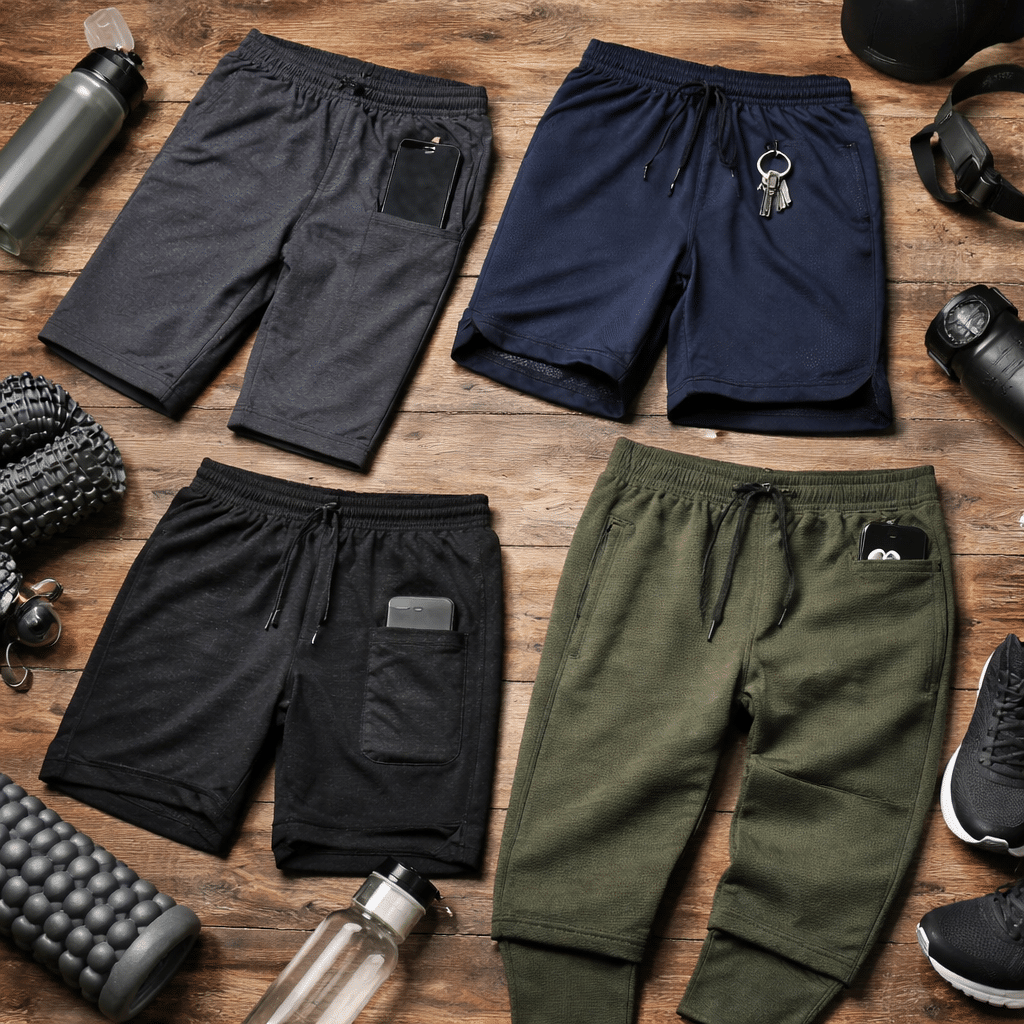
If you’re searching for the best running bottoms, you’ve probably already discovered that finding the right pair isn’t as simple as grabbing the first pair of shorts off the shelf and hoping for the best.
I’ve learned that running gear can either make your training more enjoyable or make you question every life decision that led you to leave the house at 5am in the cold.
Over the years I’ve experimented with running shorts, hybrid designs, budget options and premium brands. Some were great. Others felt like they were specifically engineered to maximise chafing and discomfort.
The truth is that the best running bottoms aren’t necessarily the most expensive. They’re the ones that fit properly, stay comfortable over long distances and allow you to focus on your run rather than constantly adjusting your clothing every few minutes.
Running can be hard enough without constantly fiddling with uncomfortable shorts every few minutes.
What Actually Matters in Running Bottoms?

Marketing departments love throwing around fancy buzzwords.
You’ll hear terms like:
- Advanced moisture management
- Dynamic compression zones
- Aerodynamic performance fabrics
- Engineered movement systems
Meanwhile, most runners simply want bottoms that:
- Don’t ride up
- Don’t chafe
- Don’t restrict movement
- Have decent pockets
- Remain comfortable for the entire run
I’ve found those five factors matter far more than any flashy marketing claim.
While I personally prefer cotton or high-cotton blends, it’s worth understanding the different materials available. Resources from Runner’s World and REI Co-op have useful guides covering the pros and cons of various running fabrics, fit considerations and clothing systems for different weather conditions.
The Cotton Question
Before we get into specific recommendations, I want to address something important.
Personally, I’ve always preferred running bottoms that are 100% cotton or as close to it as possible. While many modern brands push polyester (plastic) and synthetic fabrics, I’ve found natural fibres tend to feel more comfortable against the skin and are less likely to leave me feeling like I’m wrapped in plastic. Everyone is different, but for everyday training and comfort, I generally lean towards cotton whenever possible as synthetic fabrics can be absorbed into the skin.
That said, everyone is different.
Some runners prefer cotton-rich blends for shorter runs, walking or casual exercise because they feel softer against the skin.
Personally, I’ve found that a quality cotton blend can be comfortable for everyday wear, but for longer runs, especially in hot weather, moisture-wicking materials tend to perform significantly better.
The goal is choosing what keeps you comfortable and non toxic.
Comparison Table: The Best Running Bottom Styles
| Type | Best For | Pros | Cons |
|---|---|---|---|
| Running Shorts | Warm weather | Lightweight, breathable | Less coverage |
| Compression Shorts | Long runs | Reduced chafing | Some runners dislike tight fit |
| Running Tights | Cold weather | Warmth and support | Can feel restrictive |
| Hybrid Shorts | Versatility | Best of both worlds | Usually more expensive |
| Joggers | Casual training | Comfortable | Less ideal for speed work |
1. Hybrid Running Shorts
If I could only own one type of running bottom, it would probably be hybrid running shorts.
These combine an outer short with an inner compression liner.
Benefits include:
- Reduced chafing
- Better support
- Convenient storage
- Excellent versatility
Many runners find hybrid shorts strike the perfect balance between comfort and performance.
They’re essentially the Swiss Army knife of running bottoms.
2. Traditional Running Shorts
Traditional running shorts remain popular for a reason.
They’re simple.
They work.
They allow unrestricted movement.
For summer running, they’re often difficult to beat.
The biggest downside is potential chafing on longer runs.
Trust me.
If you’ve never experienced serious chafing, consider yourself fortunate.
It’s one of those life experiences you only need once.
3. Compression Shorts
Compression shorts tend to divide opinions.
Some runners love them.
Others refuse to wear them.
I’ve found they’re particularly useful during:
- Long runs
- Hot weather
- High-mileage training weeks
The additional support and reduction in friction can make a noticeable difference.
4. Running Tights
When temperatures drop, running tights become incredibly valuable.
Cold weather running is hard enough.
Nobody needs frozen legs making things worse.
Quality tights provide:
- Warmth
- Muscle support
- Protection from wind
- Reduced chafing
For winter training, they might suit some of you.
Features Worth Paying For
Secure Pockets
This is one feature I refuse to compromise on.
Modern life requires carrying things.
Phone.
Keys.
Card.
Sometimes emergency snacks.
A secure zip pocket can be the difference between a pleasant run and spending twenty minutes searching for your car keys.
Comfortable Waistband
An uncomfortable waistband becomes increasingly annoying as distance increases.
What feels fine at kilometer one may become unbearable by kilometer fifteen.
Flat Seams
Flatlock seams help reduce friction.
Less friction generally means less chafing.
Less chafing means less suffering.
This is a straightforward equation.
Quality Fabric
Good fabric doesn’t necessarily mean expensive fabric.
It means fabric that remains comfortable when wet, stretches appropriately and holds up over time.
The Best Running Bottoms for Different Situations

Best for Daily Training
Hybrid running shorts.
They offer comfort, versatility and practicality.
Best for Long Distance Running
Compression-lined shorts.
The extra support and reduced friction become more valuable as distance increases.
Best for Cold Weather
Running tights.
Simple.
Effective.
Warm.
Best for Beginners
Traditional running shorts.
No complications.
No learning curve.
Just run.
Running Bottoms and Running Shoes Go Hand in Hand
I’ve learned that running comfort is rarely about a single piece of gear.
Everything works together.
Shoes.
Socks.
Bottoms.
Training plan.
Recovery.
If you’re still looking for footwear, I recently put together a guide covering neutral running shoes that pairs well with this article:
https://alphadadmode.com/neutral-running-shoes/
The right combination can make training significantly more enjoyable.
Common Mistakes Dads Make
Buying Based on Price Alone
Expensive doesn’t automatically mean better.
Cheap doesn’t automatically mean good value.
Comfort matters more than logos.
Ignoring Fit
The perfect running bottom for your mate may be terrible for you.
Body types differ.
Preferences differ.
Test gear yourself whenever possible.
Choosing Style Over Function
We’ve all done it.
Something looks great online.
Then arrives and feels terrible during an actual run.
Function should always come first.
You aren’t walking a fashion runway.
You’re running.
Not Thinking About Chafing
Many new runners underestimate this issue.
Then reality arrives around the ten-kilometre mark.
Plan accordingly.
What About Underwear?
This is another surprisingly important topic.
The wrong underwear can completely ruin an otherwise enjoyable run.
Many runners prefer built-in liners.
Others prefer dedicated running underwear.
I’ve covered some of these considerations in my guide comparing briefs vs boxer briefs:
https://alphadadmode.com/briefs-vs-boxer-briefs/
Comfort matters more than most people realise.
Pros and Cons of Quality Running Bottoms

Pros
- Improved comfort
- Reduced chafing
- Better mobility
- Increased confidence
- More enjoyable training
Cons
- Premium models can be expensive
- Finding the perfect fit takes time
- Marketing claims can be misleading
- Some features go unused
Are Premium Running Bottoms Worth It?
Sometimes.
Not always.
I’ve found the sweet spot usually sits somewhere in the middle.
Ultra-budget options often cut corners.
Ultra-premium options sometimes deliver diminishing returns.
The best value usually comes from reputable brands with proven designs rather than chasing the latest marketing trend.
Frequently Asked Questions
What are the best running bottoms for beginners?
Traditional running shorts or hybrid shorts are usually the easiest place to start. They’re comfortable, versatile and suitable for most training sessions.
Should running bottoms be tight or loose?
This comes down to personal preference. Some runners prefer compression-style fits while others prefer looser traditional shorts.
Are compression shorts better for running?
They can help reduce chafing and provide additional support, particularly during longer runs.
Is cotton good for running bottoms?
For shorter runs and casual exercise, some runners enjoy cotton or cotton blends. For longer runs and hot conditions, moisture-wicking fabrics generally perform better because they manage sweat more effectively.
How many pairs of running bottoms do I need?
Most regular runners can comfortably rotate between two to four quality pairs.
Do expensive running bottoms make a difference?
Sometimes. Better materials, improved construction and enhanced comfort can justify higher prices, but expensive doesn’t always mean better.
So, What Should You Buy?
After years of training, I’ve found that the best running bottoms are the ones you barely notice while running.
Least amount of toxic fabrics against your skin.
Comfort.
Freedom of movement.
Reliable performance.
No distractions.
No constant adjustments.
No unexpected chafing disasters halfway through a long run.
The older I get, the more I appreciate gear that simply does its job.
Running is challenging enough without fighting your clothing at the same time.
Find a pair that fits well, feels comfortable and suits your training style.
Then stop overthinking it and go for a run.
Your legs won’t care what logo is on your shorts.
About the Author
Nick is the founder of Alpha Dad Mode (https://alphadadmode.com), where he shares practical advice on health, fitness, fatherhood, gear and everyday life. As a father of three and a tradesman with more than 20 years of hands-on experience, he focuses on straightforward recommendations based on real-world use rather than marketing hype. His goal is simple: help dads make better decisions, save money and improve their quality of life.
