


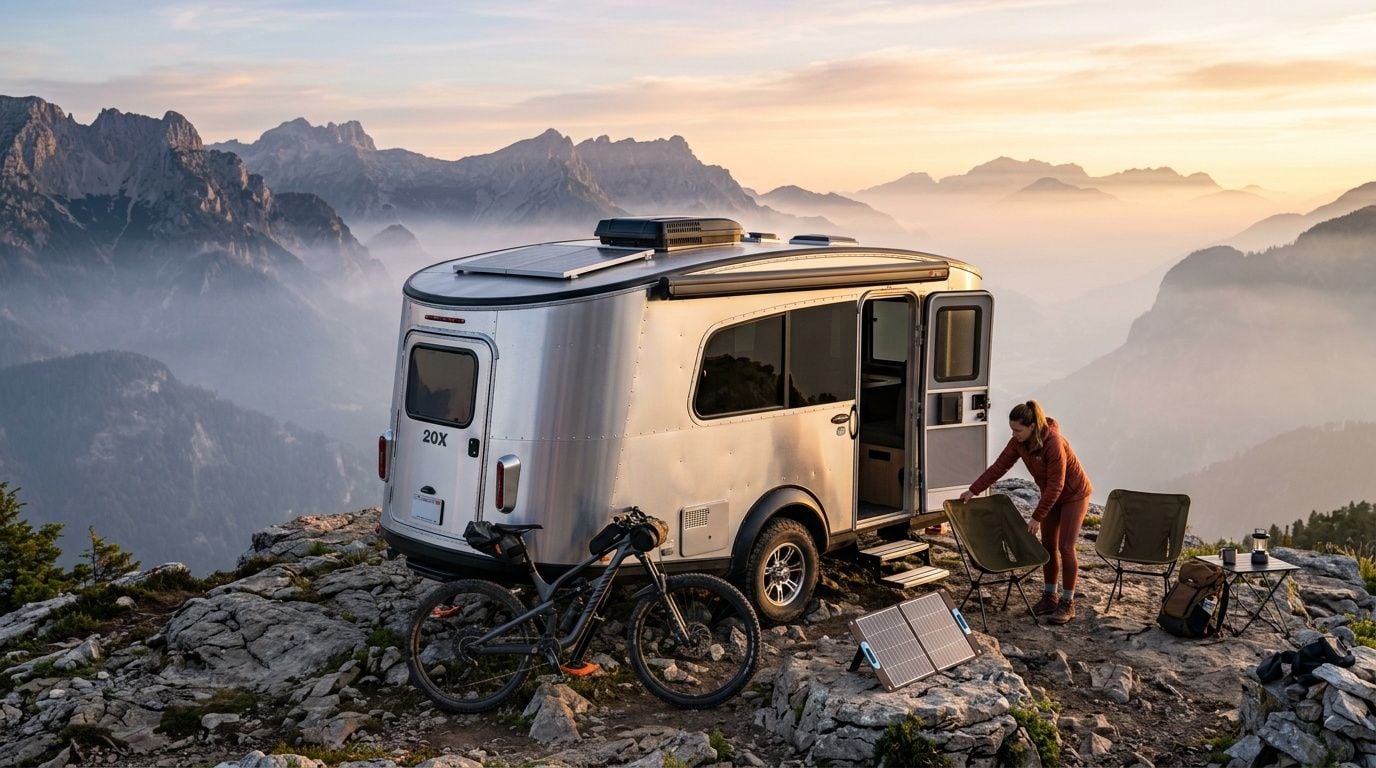
You’re probably looking at the Airstream Basecamp 20X because you want a trailer that feels adventurous without forcing you into a heavy-duty truck or a huge campsite footprint. That’s exactly why the Airstream Basecamp 20X gets so much attention. It promises off-grid flexibility, compact size, and Airstream styling in one package.
The short answer is simple. If you want a rugged, premium compact trailer for weekend travel, national park loops, and light off-pavement camping, it’s a strong buy. If you need roomy family sleeping space or budget-first value, it’s harder to justify.
Table of Contents
- Is the Airstream Basecamp 20X Worth It?
- Airstream Basecamp 20X Key Specs and Layout
- What Makes the Basecamp 20X a Unique Off-Road Trailer
- Who Is the Airstream Basecamp 20X Really For?
- Airstream Basecamp 20X Pros and Cons
- Practical Guide to Towing Maintenance and Mods
- How the Basecamp 20X Compares to Other Compact Campers
- The Final Verdict Should You Buy It?
- Frequently Asked Questions
Is the Airstream Basecamp 20X Worth It?
Yes, for the right buyer, it is.
The Airstream Basecamp 20X is a compact, rugged travel trailer built for people who want real camping capability in a manageable size. It isn’t trying to be a big family bunkhouse. It’s trying to be a durable, tow-friendly trailer that gets into more places and feels easier to live with on short trips and off-grid weekends.
That matters because a lot of buyers want something between a tent and a full-size trailer. They want a camper that fits tighter campsites, works with a wide range of tow vehicles, and still gives them a proper bed, indoor galley, bathroom, and gear storage. The Basecamp 20X delivers that mix better than many boxy compact trailers.
The catch is price. You’re paying premium money for design, brand, aluminum construction, and a more adventure-focused layout. If your priority is maximum sleeping room per dollar, this isn’t the smart play. If your priority is build quality, towing manners, and off-grid versatility, it starts to make a lot more sense.
Bottom line: The Basecamp 20X is worth it if you value mobility, durability, and a compact footprint more than raw interior space.
For men shopping with a spouse or planning trips with one child, the trade-off is pretty clear. It works best as a premium weekend and road-trip rig. It works less well as a small apartment on wheels.
Airstream Basecamp 20X Key Specs and Layout
Saturday morning with a spouse, one kid, two bikes, a cooler, folding chairs, and a duffel full of extra clothes is where the Basecamp 20X starts making its case, or showing its limits. On paper, 20 feet sounds roomy enough. In real use, this trailer works best for a couple or a parent with one child on shorter trips, as long as everyone packs with some discipline.
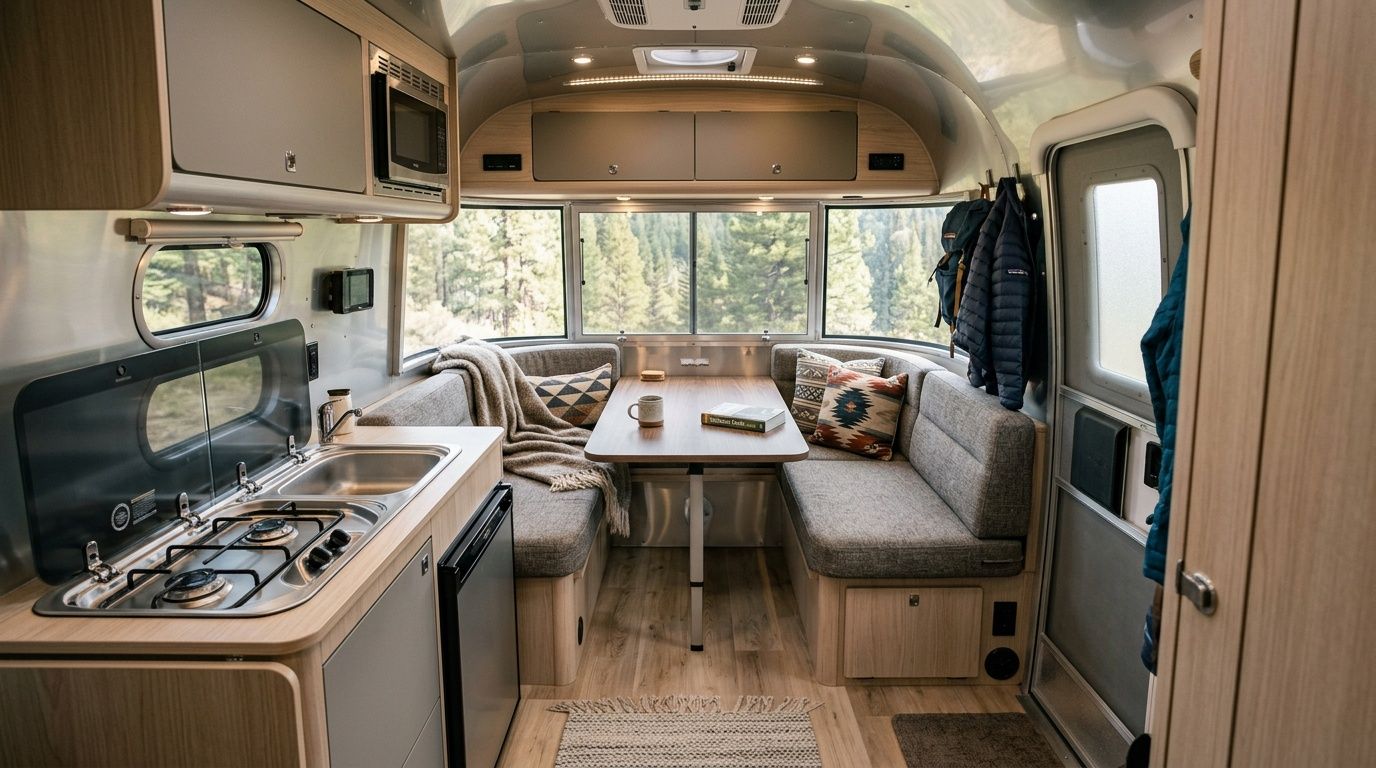
The overall footprint stays friendly for towing and campsite access. Interior standing room is good at the entry, so adults are not ducking every time they step inside. The bigger question is weight. Dry weight, hitch weight, and loaded capacity all matter a lot here because family gear adds up fast. Fill the tanks, add food, tools, outdoor toys, maybe a small camp knife that actually earns space in the drawer, and that available cargo starts shrinking in a hurry.
Here are the key specs buyers usually care about:
- Exterior size: 20 feet 2 inches long, 7 feet 9.5 inches wide, and 9 feet 5 inches high with A/C
- Interior headroom: 6 feet 7 inches near the entry
- Weight: 3,500 pounds dry, 535 pounds hitch weight, and 4,300 pounds GVWR
- Cargo capacity: 800 pounds net carrying capacity
- Water tanks: 23-gallon fresh, 28-gallon gray, and 21-gallon black
- Heat and propane: Two propane tanks totaling 9 gallons and a 12,000 BTU ducted furnace
- Power setup: Optional 2.5 kWh internal lithium batteries with remote monitoring
- Sleeping capacity: Up to 2, excluding optional tents
- MSRP: $59,200 for the 2025 model year
The layout is simple, and that is part of the appeal. Up front, the convertible dinette gives you the main living and sleeping space. Mid-cabin, you get the galley and wet bath. The rear hatch is one of the most useful parts of the trailer because it makes loading bulkier gear much easier than in many compact campers.
For a family guy, that layout has clear trade-offs. During the day, it feels open enough for lunch breaks, card games, or getting a kid out of wet clothes without total chaos. At night, the shared sleeping setup limits privacy and flexibility. There is no separate bunk area, so this is a better fit for occasional family weekends than for longer trips where everyone needs their own corner.
Storage is decent, not generous. Cabinets and under-seat space help, and the rear access is legitimately practical for helmets, muddy shoes, camp tables, or fishing gear. Still, this trailer rewards compact packing habits and outdoor living. If your routine includes a lot of hookups, gadgets, and backup gear for every scenario, you will feel the squeeze.
The tank and battery setup support real weekend use, especially if you pair the trailer with smart off-grid power solutions. A furnace and available lithium package make shoulder-season trips more realistic. Water and waste capacity are enough for a few days if the family uses them with some restraint. Long showers and careless dishwashing will end that conversation quickly.
The 20X layout works best for buyers who want a compact trailer that stays usable with family gear, as long as they accept that every item on board needs a reason to be there.
What Makes the Basecamp 20X a Unique Off-Road Trailer
Friday afternoon matters more than brochure language. If a family guy can hitch up after work, load bikes and muddy gear without a fight, and reach a rough campground without worrying about tearing up the trailer, the Basecamp 20X starts to make sense.
Off-road capability
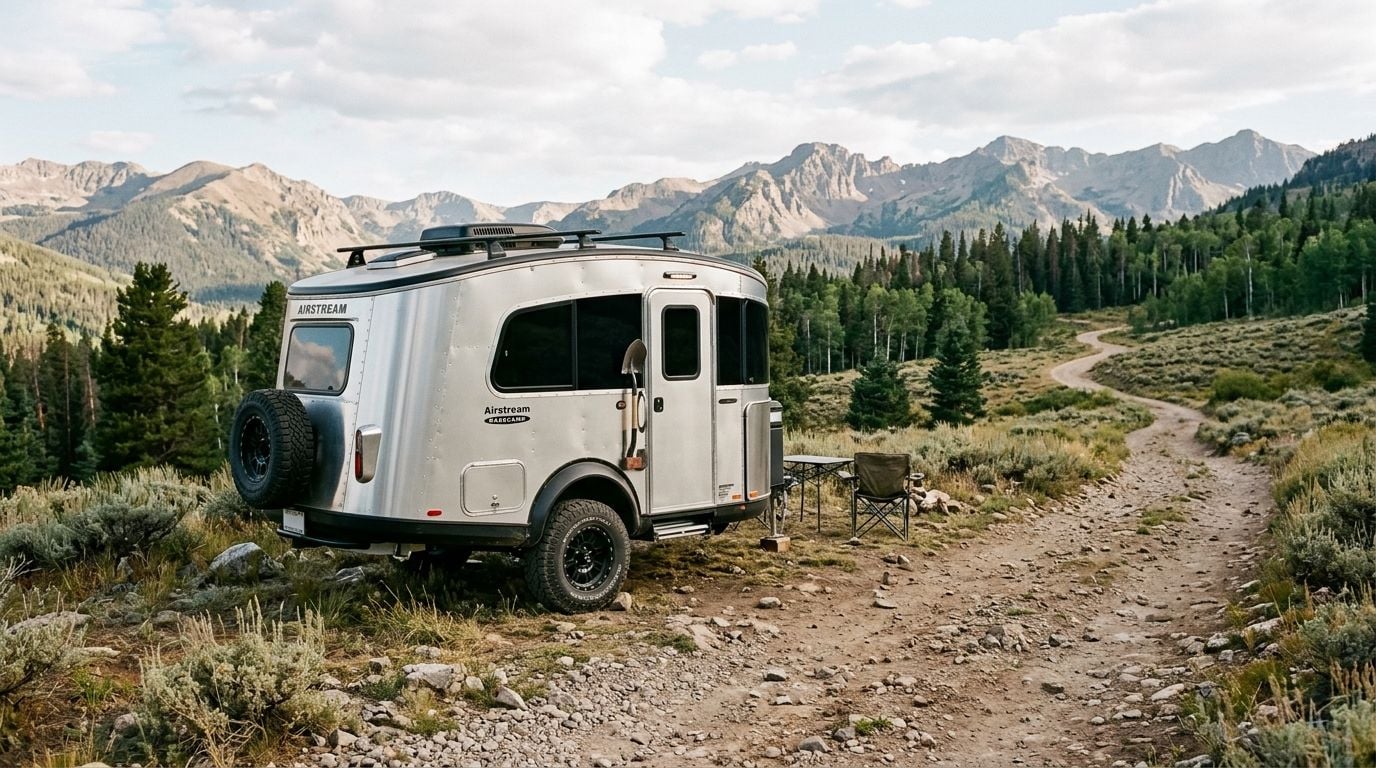
What sets the 20X apart is not extreme trail performance. It is that Airstream built this version for the kind of unpaved travel many active families do: washboard forest roads, uneven campground entrances, gravel pull-offs, and the occasional rutted access road to a trailhead or fishing spot.
That distinction matters. Plenty of trailers wear aggressive tires and still feel like road campers with costume parts. The Basecamp 20X has enough ground clearance and a more dirt-road-friendly stance to reduce the stress of taking the scenic route, but it still rewards common sense. A half-day on backroads to a state forest site is realistic. Dragging it through technical terrain is not.
For a parent hauling bikes, fishing gear, or a small pile of kid-related extras, that middle ground is useful. It gives you more campsite options than a low road trailer without pushing you into the maintenance, weight, and cost penalties that come with bigger overland rigs.
If your trips regularly include nights away from hookups, pairing the trailer with portable off-grid power solutions makes the setup more practical for family use.
Compact but functional design
The Basecamp 20X works because the design stays honest about its size. It is compact on purpose, which helps both on the road and at camp.
The rear hatch is a big part of that. On paper it looks like a lifestyle feature. In real use, it is one of the smartest parts of the trailer for families who carry awkward gear. Wet camp chairs, helmets, folding tables, boots, and sports equipment are easier to load and unload here than in many compact campers with tighter exterior access.
Inside, the same idea carries through. The space converts quickly, so one trailer can handle lunch stops, rainy afternoons, and overnight duty without a lot of setup drama. That matters when you have a tired kid, limited daylight, and no interest in turning camp into a 30-minute production.
The trade-off is obvious. This is still a small trailer. Families who travel with bins of backup gear, oversized strollers, or a pack-for-every-possible-weather mindset will hit the limits fast. Buyers who do best in the 20X tend to pack more like tent campers with hard walls. Good tools help too. A compact camp kit with basics like one of these Swedish Mora knives fits the trailer better than bulky gadget-heavy gear.
Airstream build quality
Airstream charges real money for this trailer, so the construction needs to earn it.
Part of the value is the shell itself. According to a Basecamp 20X product listing from Campers Inn, the aerodynamic shell significantly reduces drag compared with boxier trailers and can improve fuel efficiency by 10 to 15%. That same listing also notes the low-profile design helps highway stability and keeps the trailer manageable for a broad range of midsize SUVs.
That tracks with what experienced towers usually notice first. Shape matters. A compact trailer that slips through the air better generally feels calmer on long interstate days than a square box of similar size, especially when crosswinds pick up or traffic speed stays high for hours.
That is a real advantage for weekend-warrior families. If the tow home is less tiring, short trips happen more often. And for this kind of trailer, actual use matters more than the fantasy of owning something rugged-looking that spends most of its time in storage.
Who Is the Airstream Basecamp 20X Really For?
Some trailers are easy to recommend broadly. This isn’t one of them. The Basecamp 20X is a better buy for a narrow group of travelers than for the average family shopping by floorplan alone.
Best fit buyers
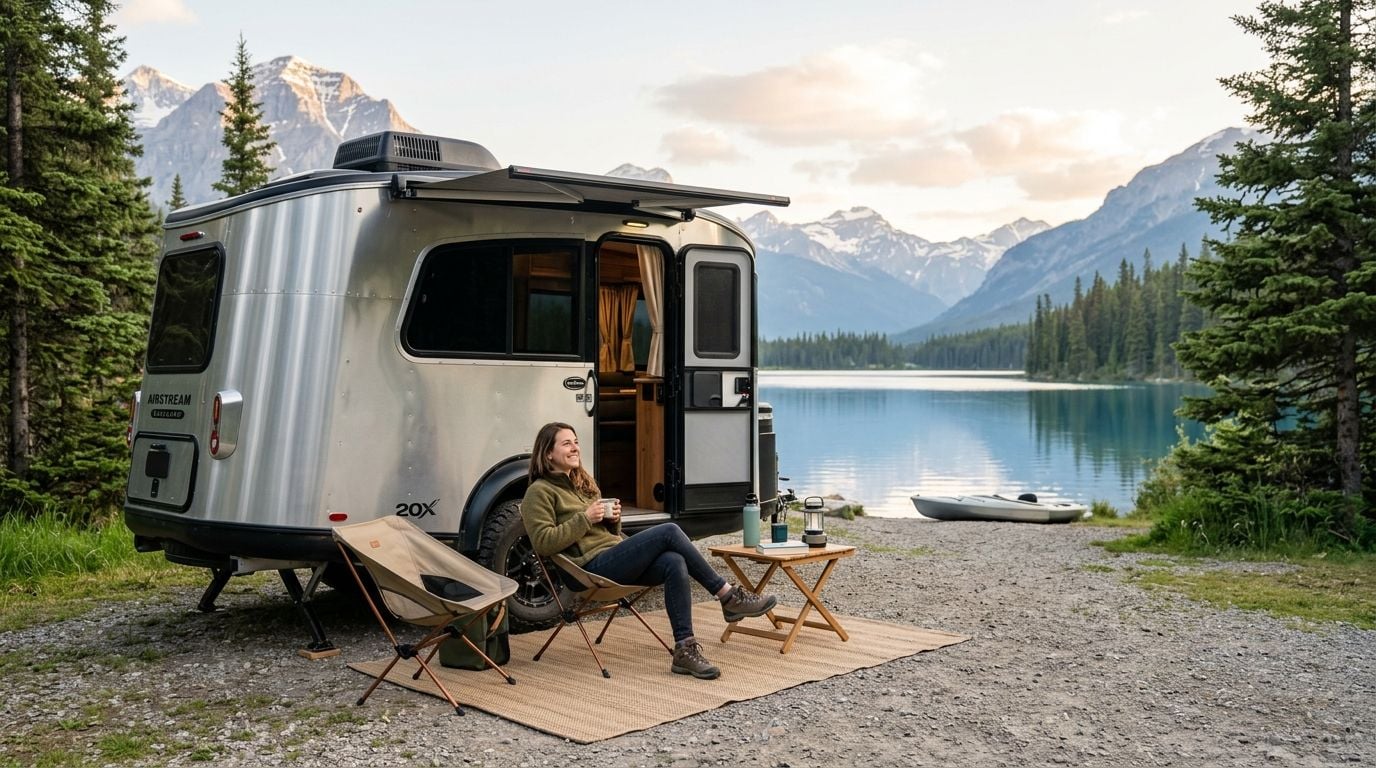
This trailer makes the most sense for people who camp actively and don’t expect the trailer to be the whole experience.
- Outdoor-focused travelers: If most of your day happens outside, the smaller interior won’t bother you much.
- Weekend adventurers: It’s well suited to short trips, quick getaways, and travel where setup speed matters.
- Buyers wanting compact campers: If you don’t want to drag around a bigger box, this is the appeal.
- Users needing off-grid flexibility: The tanks, battery options, and rugged intent fit dispersed camping better than many small trailers.
- Couples and solo owners: This is the sweet spot. The layout is easier to appreciate when two people share it instead of trying to turn it into a multi-kid camper.
If your trips involve a lot of family gear, planning matters. This roundup of best camping gear for families is useful because compact trailers punish bulky packing habits.
Where family use gets harder
Here, the marketing story and daily use can separate.
The verified owner-feedback summary tied to this family tour video of the Basecamp 20X says that while it’s technically presented as sleeping up to four in some discussions, real-world use feels cramped for families with young children. The same source notes a 40% spike in queries about family-friendly modifications, which tells you many people are trying to solve space and kid-use issues after the fact.
That doesn’t mean a family can’t use one. It means the trailer works better for a family that treats it as a compact basecamp, not as a roomy indoor living space.
Common pressure points for family buyers include:
- Sleeping logistics: Young kids fit more easily than older kids, but bedtime routines get tight fast.
- Play space: Rainy-day indoor time is limited.
- Gear sprawl: Diaper bags, extra clothes, toys, and kid snacks fill a small trailer quickly.
- Access: Higher clearance can be helpful off-road but less convenient for little kids climbing in and out.
If you have toddlers, the Basecamp 20X can work for short trips. It usually stops feeling relaxed once everyone needs indoor space at the same time.
Airstream Basecamp 20X Pros and Cons
A trailer at this price needs an honest scorecard. The Basecamp 20X has real strengths, but it also asks you to accept very specific compromises.
Pros
- Durable construction: The aluminum shell is a major part of the appeal and a big reason buyers pay the premium.
- Off-road ready design: It’s built for more than paved campgrounds and gives you confidence on rough access roads.
- Compact and easier to tow: The smaller footprint makes travel days less stressful than larger travel trailers.
- Smart interior layout: The space is used well, especially for couples and minimalist packers.
- Good gear access: Rear hatch storage makes outdoor equipment easier to load and unload.
- Strong value for the right owner: If you want a premium compact trailer and will utilize its strengths, the cost is easier to defend.
Cons
- Higher price point: This is one of the biggest barriers. You can buy more interior room elsewhere for similar money.
- Limited space compared to larger trailers: Storage is decent, but day-to-day elbow room is still tight.
- Not ideal for large families: Even small families can find it cramped once weather pushes everyone inside.
- Requires disciplined packing: The carrying capacity and floor space reward restraint, not overpacking.
- Premium expectations can cut both ways: Buyers paying Airstream money often expect fewer small annoyances than any RV can realistically guarantee.
Practical Guide to Towing Maintenance and Mods
Owning a Basecamp 20X goes better when you think past the showroom. Towing balance, regular inspections, and a few smart upgrades matter more than flashy accessories.
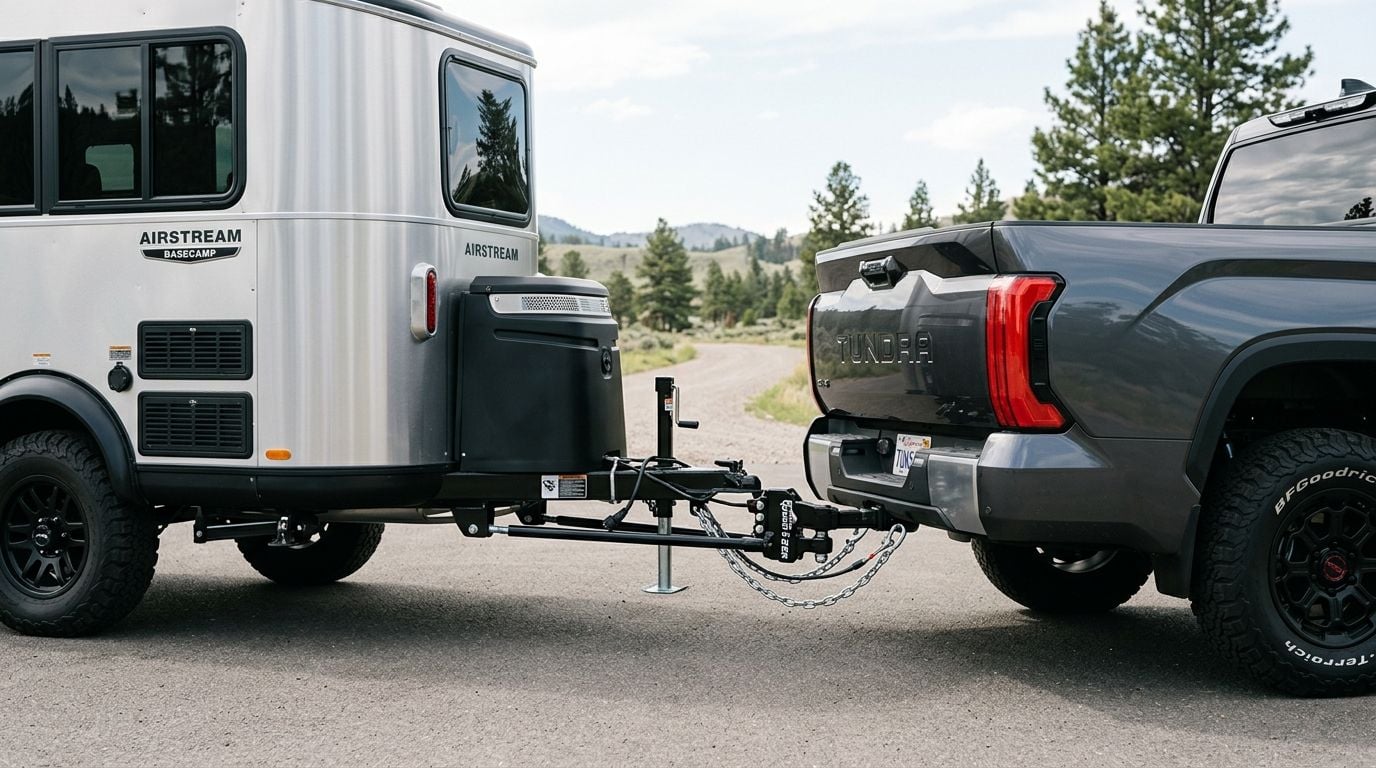
Towing and loading
The headline numbers look approachable, but you still need to think like a trailer owner, not just a shopper.
Start with three checks:
- Confirm your tow vehicle ratings. Dry weight and GVWR matter, but so does your actual payload once passengers and cargo are in the vehicle.
- Watch hitch weight in practice. Front storage, propane, batteries, and loaded gear all affect how the trailer sits and tows.
- Load low and evenly. Compact trailers react more noticeably when weight gets sloppy.
If you’re carrying bikes in the truck as part of the same travel setup, these bed bike racks for trucks can help keep the vehicle organized instead of stacking too much around the trailer tongue and rear storage areas.
Practical rule: Leave yourself margin. A trailer that tows fine on paper can still feel unsettled when the vehicle is packed with people, coolers, and trip gear.
Maintenance realities
This is still an RV. Premium branding doesn’t remove normal RV ownership chores.
The most useful caution comes from the verified owner-feedback summary connected to this long-term Basecamp owner video. It notes reports of leaky doors, faulty USB ports after a year of use, and vibration issues on long trips. Those aren’t reasons to dismiss the trailer outright, but they are reasons to inspect carefully and stay proactive.
Focus your routine around the basics:
- Check seals regularly: Doors, hatches, and exterior openings deserve attention.
- Test electronics before trips: USB ports, lights, fans, and charging points are easier to fix at home than at camp.
- Inspect after rough-road travel: Vibration can loosen hardware and expose weak points.
- Monitor water systems closely: Compact trailers don’t give you much room for neglect before a small issue becomes a trip problem.
Mods worth doing
The best upgrades solve daily friction, not imaginary problems.
A few practical changes usually pay off:
- Power upgrades: If you camp away from hookups often, the lithium battery option and solar support make more sense than decorative add-ons.
- Storage bins and soft organizers: These work better than hard plastic tubs in a small trailer.
- Entry assistance: Families with small kids may want a more comfortable step solution because rugged clearance can make entry less convenient.
- Phone and device charging backups: Given the reports of USB issues, having independent charging options is smart.
- Outdoor-first gear strategy: Keep dirty gear outside or under hatch access whenever possible so the living area stays usable.
One more practical point. The Basecamp 20X rewards owners who like to tinker a little. If you want a trailer that needs less hands-on attention, a more road-focused camper might suit you better.
How the Basecamp 20X Compares to Other Compact Campers
A lot of buyers hit the same point. They like the Basecamp 20X, then they start asking the practical question. What do I get here that I would not get from a cheaper compact trailer, especially if I’m packing for a spouse, a kid, bikes, camp chairs, and one weekend’s worth of food?
That’s the right way to compare it.
If you are still sorting through categories before narrowing the field, this guide to different types of travel trailers and how to choose the perfect model gives a useful overview. If your family is also debating trailer life versus van life, these best small camper vans show the trade-offs in mobility, sleeping space, and day-to-day setup.
Airstream Basecamp 20X vs. Competitors
| Feature | Airstream Basecamp 20X | Winnebago Micro Minnie FLX | Ember Overland Series |
|---|---|---|---|
| Size | Compact footprint with 20 feet 2 inches length | Varies by model | Varies by model |
| Capability | Built for rougher campsites and dirt-road use, with a layout that supports active travel | More road-focused small trailer approach | Adventure-oriented, depending on floorplan |
| Family practicality | Works for short trips with small families, but indoor space gets tight fast in bad weather | Usually gives you more interior comfort and separation | Can offer a stronger middle ground if you want rugged styling with more living space |
| Construction feel | Aluminum shell, distinctive fit and finish, premium presentation | Conventional RV construction | Conventional construction with a more rugged design focus |
| Price | Premium end of the compact-trailer category | Often better space-per-dollar | Varies widely by model and equipment |
The Basecamp 20X stands out most in three areas. It tows small for what it is, it looks and feels more polished than many compact campers, and it fits buyers who spend more time outside than inside.
For a family man, the trade-off is straightforward. The Basecamp can absolutely handle a weekend with a spouse and a child, but everyone needs to be realistic about interior space. Rainy afternoons feel smaller here than they do in a more conventional box-shaped trailer. Storage also takes more discipline. Soft bags, collapsible gear, and a clear packing system work much better than loading it like a larger bunkhouse.
The Micro Minnie FLX usually makes the stronger case if your priority is comfort per dollar. You often get a roomier interior, a more traditional camping setup, and fewer compromises for family routines like bedtime, changing clothes, or getting a child settled without reorganizing the whole cabin.
Ember’s Overland line can appeal to buyers who want the rugged look and some off-pavement flexibility without committing to Airstream pricing. In my experience, that comparison usually comes down to this. Do you want the Basecamp because of its specific design, towing manners, and premium construction, or do you want a small adventure trailer?
That distinction matters.
Choose the Basecamp 20X if compact towing, premium finish, and quick weekend escapes matter more than maximizing interior volume. Choose a more conventional compact trailer if your family needs more elbow room, more forgiving storage, and better indoor livability for the same money. The Basecamp usually wins on feel and usability on the road. It usually loses on room per dollar.
The Final Verdict Should You Buy It?
A realistic test is a Friday evening departure with a spouse, a kid, bikes, food for two nights, and everyone already tired from the workweek. In that job, the Basecamp 20X makes sense for the right family. It hooks up fast, tows with less drama than many boxier trailers, and gets you out for a short trip without turning the whole weekend into a logistics exercise.
That does not make it a broad-appeal family trailer.
It is a smart buy for the buyer who wants premium build quality, compact size, and a trailer that feels good on the road and at camp. For a family man, the value is not extra sleeping capacity or maximum square footage. The value is easier storage at home, less stress while towing, faster setup, and a camper that encourages quick weekend trips instead of long planning sessions.
The trade-off is simple. You pay Airstream money for a small trailer, and you live with small-trailer limitations every time weather pushes everyone indoors. Families who camp light, stay active outside, and treat the trailer as a durable basecamp will understand the appeal quickly. Families who want generous lounging space, easy bedtime routines, and room to spread out usually get better value from a more conventional floorplan.
Buy it if your priority is road manners, quality feel, and short adventure trips with disciplined packing.
Pass on it if your family needs more indoor comfort than outdoor flexibility.
Where to Buy the Airstream Basecamp 20X
The practical next step is to check current inventory, trims, and dealer availability through the Airstream Basecamp lineup and specifications page.
Frequently Asked Questions
Is it good for off-road use?
Good for forest roads, washboard access routes, and uneven campsites. Not for serious rock crawling or tight technical trails. The 20X gives you more clearance and better rough-road confidence than a typical small travel trailer, but a family still needs to pack and drive with that limit in mind, especially with bikes, chairs, and extra kid gear adding weight.
How many people can it sleep?
Realistically, it works best for two. A small family can make it work for short trips if younger kids are part of the plan and everyone is comfortable living tight, but this is not the trailer I would choose for easy family bedtimes or rainy-day indoor space.
Is it easy to tow?
Easier than many full-width travel trailers, yes. The lower profile helps on the highway, and it feels less bulky behind the vehicle in crosswinds and fuel stops. That said, easy does not mean casual. Families need to look closely at tow rating, payload, hitch weight, and how much cargo ends up in the vehicle once snacks, coolers, backpacks, and kids are all accounted for.
Is it good for full-time travel?
For most buyers, no. It makes more sense as a weekend trailer, a short-trip rig, or a well-built option for people who stay active outside and use the camper as a place to sleep, cook, and reset. A family trying to live in it for long stretches will feel the space limits fast.
If you want more straight answers on gear, family travel, camping setups, and practical buying decisions, visit alphadadmode.com.
