


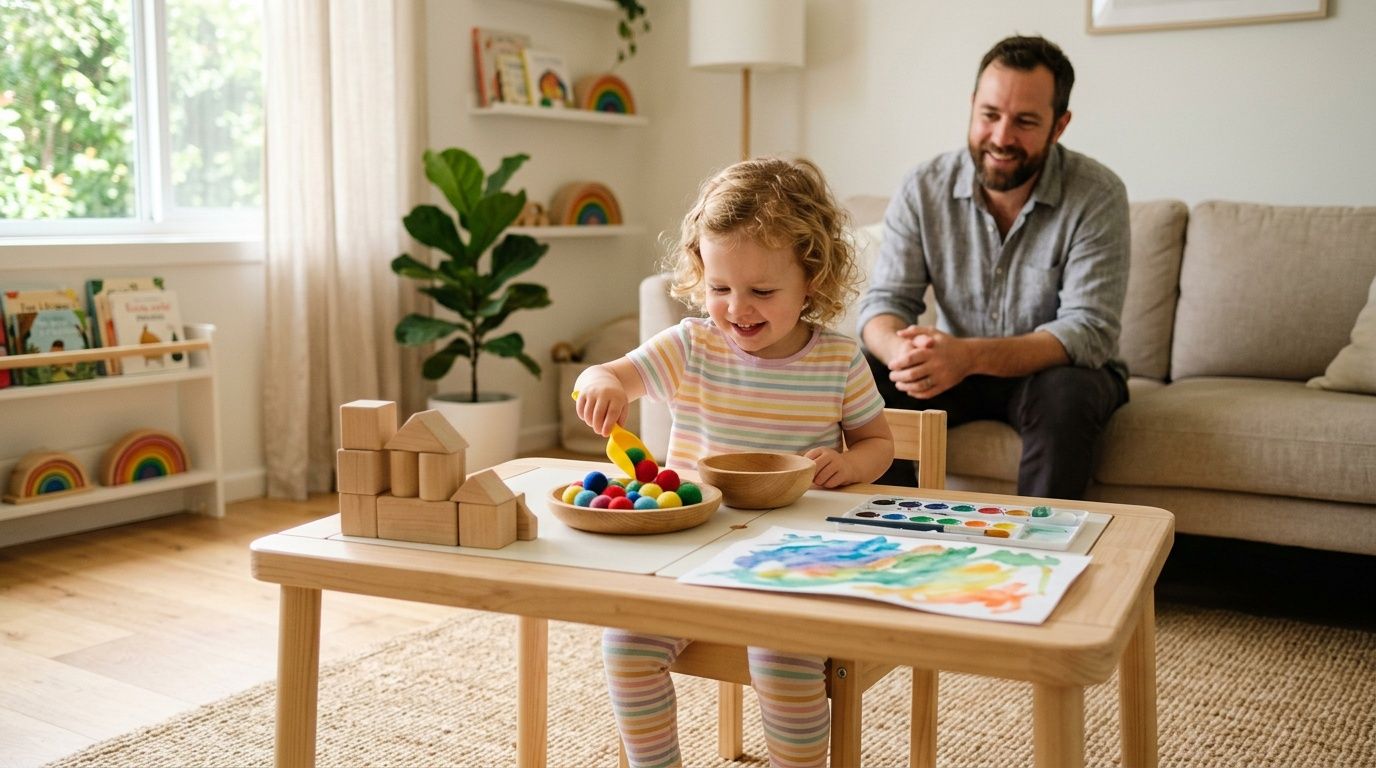
Activities for 2 year olds that keep them busy for hours include simple sensory play, stacking games, coloring, water activities, and pretend play. These activities support motor skills and creativity while allowing toddlers to stay engaged independently with minimal setup using everyday items or safe toys.
If your toddler gets bored in 5 minutes, you know the struggle. Finding easy and practical ways to keep them engaged can feel like a full-time job. This guide is for tired, overwhelmed parents who need simple, time-saving ideas that actually work. We're focusing on no-prep toddler activities that hold their attention, giving you a much-needed break.
Quick Ideas Parents Can Try Right Now
Need a solution fast? Here's a quick list of busy toddler ideas you can start immediately. No prep needed.
- "Painting" with water on cardboard
- Stacking plastic cups
- A "laundry basket push" across the room
- Sorting pom-poms by color into a muffin tin
- Taping a line on the floor and walking on it
- Putting pipe cleaners into a colander
- A dance party to two of their favorite songs
- Building a fort with couch cushions
- "Washing" toys in a small bin of water
- Playing with a flashlight in a dim room
Best Activities for 2 Year Olds That Actually Hold Attention
Here are more detailed indoor toddler activities that are proven to hold attention longer. Each one is simple, scannable, and designed for parents who need a break.
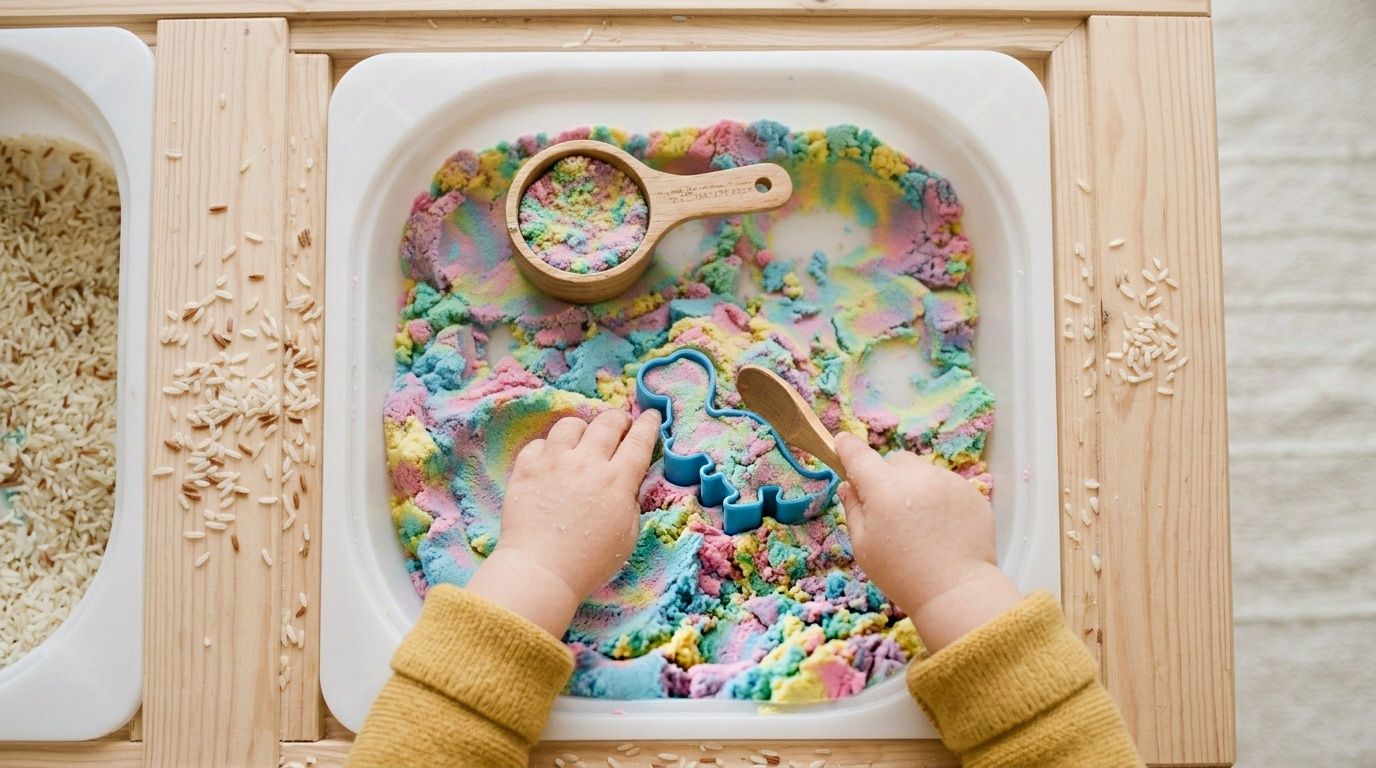
1. Sensory Bin Magic
- What you need: A shallow bin, a filler (like dry oats, rice, or water), scoops, and small toys.
- How to do it: Fill the bin with your chosen filler and add a few small cups or toys. Let your toddler scoop, pour, and explore.
- Why it works: It offers endless open-ended play, which reduces frustration and keeps them focused. This works when nothing else does.
- Time it keeps them busy: 20–30 minutes.
2. The Cardboard Box Masterpiece
- What you need: A large cardboard box and some chunky crayons or washable markers.
- How to do it: Place the box on the floor and let your toddler color inside and outside of it. It becomes their personal cave and canvas.
- Why it works: It gives them a huge, acceptable surface to draw on, making them feel empowered. The novelty holds their focus.
- Time it keeps them busy: 15–25 minutes.
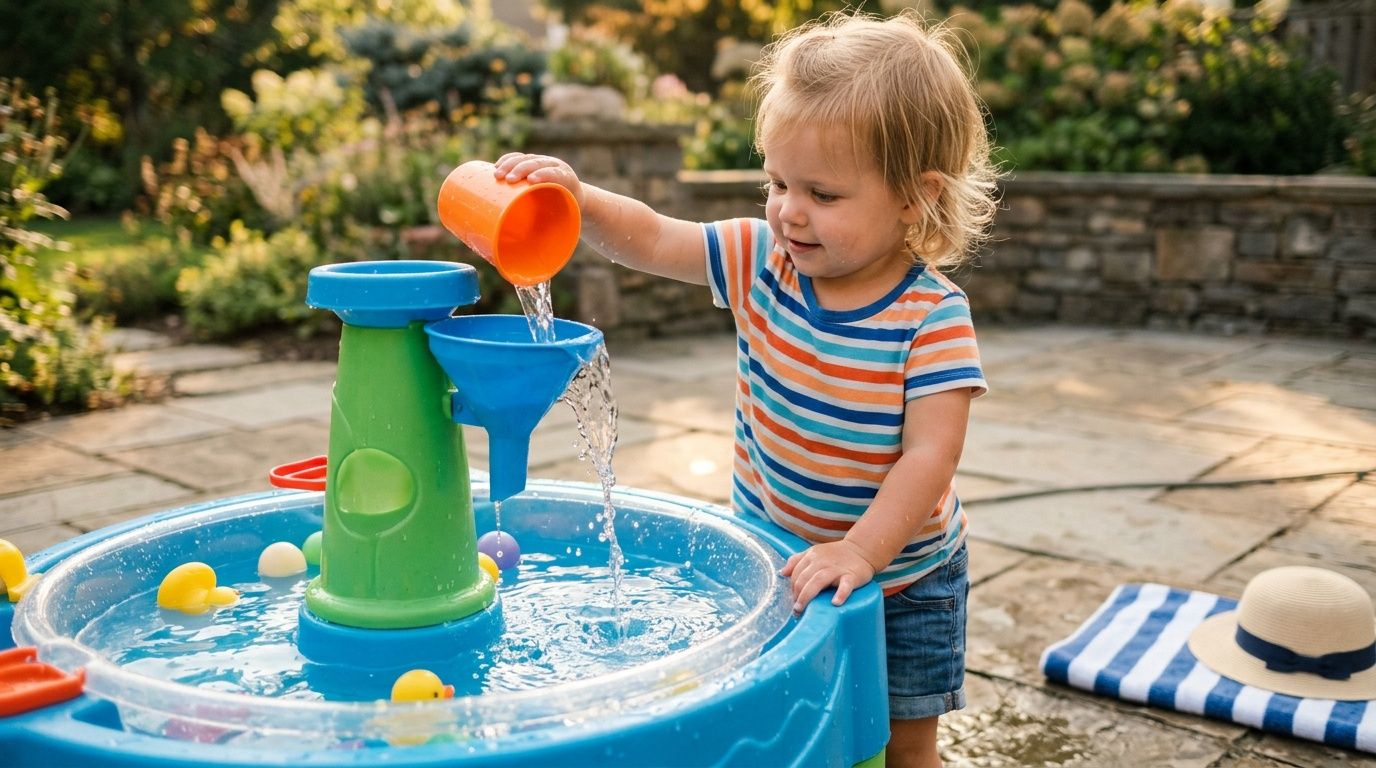
3. Water "Painting" Outdoors
- What you need: A cup of water and a paintbrush or sponge.
- How to do it: Show them how to "paint" with water on the sidewalk, a fence, or a deck. The water darkens the surface and then disappears as it dries.
- Why it works: It’s mess-free magic. They get to "paint" without you worrying about cleanup. The disappearing act is fascinating to them.
- Time it keeps them busy: 15–20 minutes.
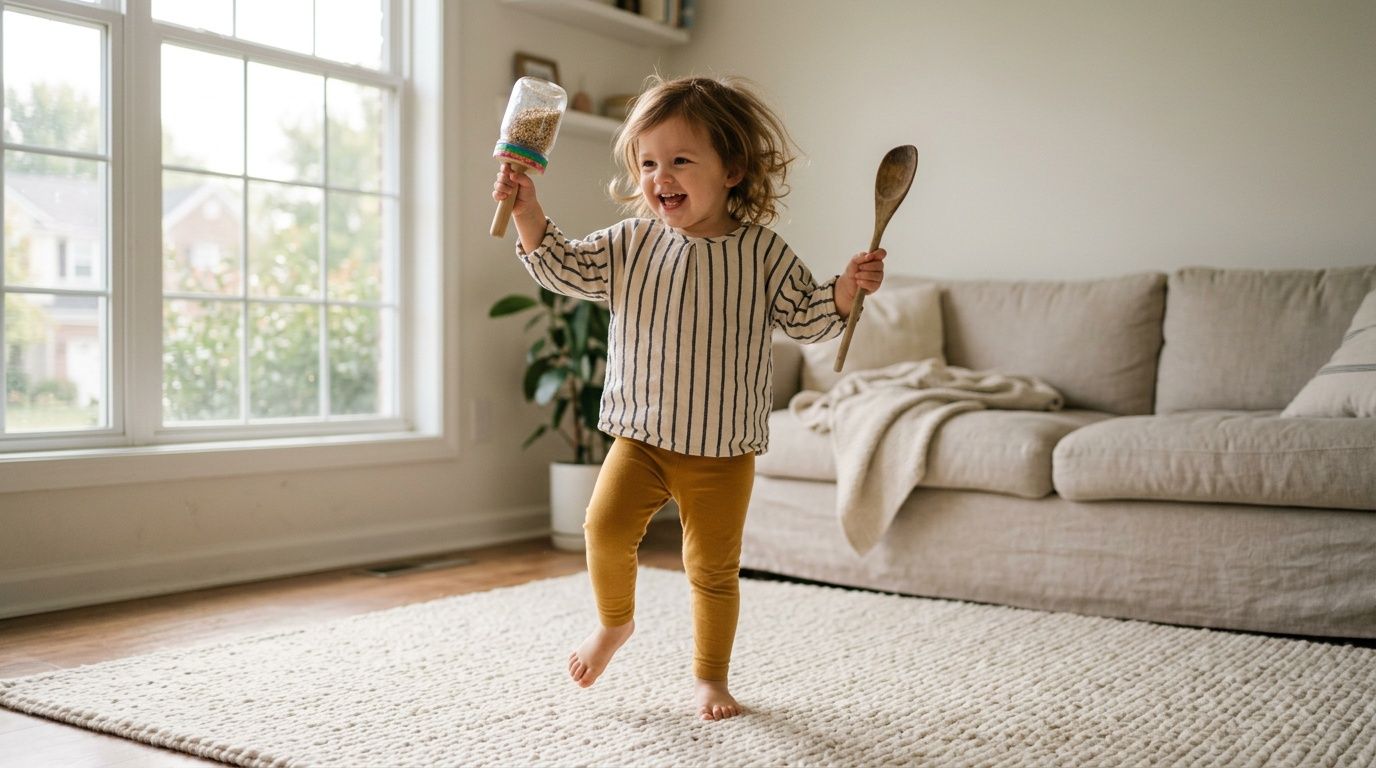
4. Dance Party Freeze Game
- What you need: A phone or speaker for music.
- How to do it: Play a high-energy song and dance around. Randomly pause the music and yell "Freeze!" Hold a silly pose until the music starts again.
- Why it works: It burns off energy, teaches listening skills, and is a fantastic mood-booster for everyone. Perfect for when you need a break from a fussy toddler.
- Time it keeps them busy: 10–15 minutes.
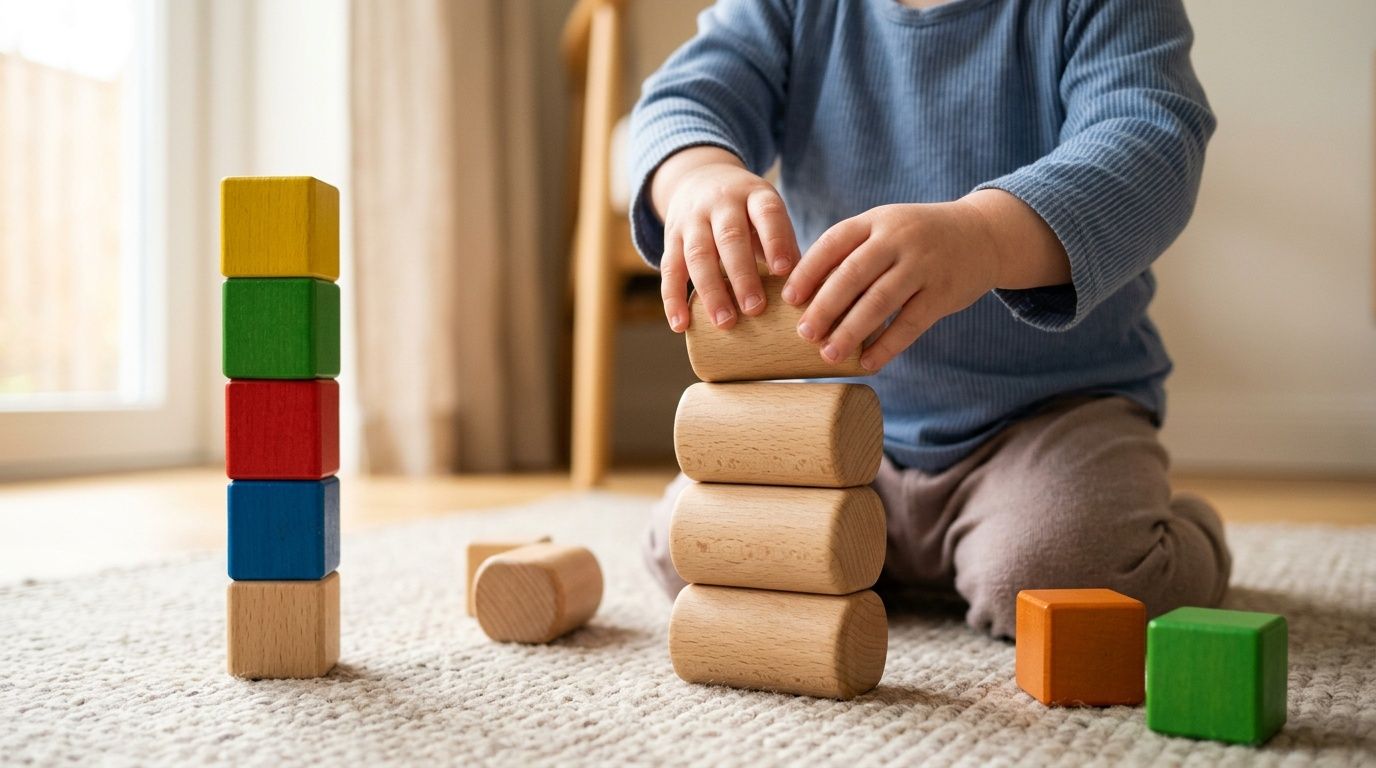
5. Block Stacking and Toppling
- What you need: A set of wooden or plastic blocks.
- How to do it: Sit on the floor and start stacking a tower. Let them knock it down. Encourage them to build their own.
- Why it works: The cycle of building and crashing is endlessly entertaining. It teaches cause-and-effect and fine motor skills.
- Time it keeps them busy: 20+ minutes.
6. Nature Scavenger Hunt
- What you need: Your backyard or a nearby park.
- How to do it: Go outside and look for simple things: a smooth rock, a big leaf, a yellow flower, a fuzzy stick. Let them hold their treasures.
- Why it works: It turns a simple walk into a mission. This simple goal keeps them focused and engaged with their surroundings.
- Time it keeps them busy: 20–30 minutes.
7. Pop-Up Toy Repetition
- What you need: A classic pop-up toy.
- How to do it: Show them once how to push, twist, or slide the button to make the animal pop up. Then let them figure it out.
- Why it works: It delivers a satisfying surprise, teaching cause-and-effect. The repetition is key for mastering the skill and holding their attention.
- Time it keeps them busy: 10–15 minutes.
8. Sticker Line-Up
- What you need: A sheet of easy-to-peel stickers and a piece of paper with a line drawn on it.
- How to do it: Show them how to peel a sticker and place it on the line. Let them continue placing stickers along the line.
- Why it works: Peeling and sticking is fantastic fine motor practice. The simple goal of "following the line" helps them stay on task.
- Time it keeps them busy: 10–20 minutes. Keeps them busy longer than expected.
9. Reading the Same Book Five Times
- What you need: Their favorite board book.
- How to do it: Sit down and read their favorite book. When you finish, ask, "Again?" They will almost always say yes.
- Why it works: Repetition is how toddlers learn. They love knowing what comes next, which builds confidence and vocabulary.
- Time it keeps them busy: 15 minutes.
10. "Helping" with Chores
- What you need: A small cloth, a toy broom, or an extra spoon.
- How to do it: When you're cleaning or cooking, give them a "job." They can "wipe" the cupboards, "stir" an empty pot, or help put their own clothes in a basket.
- Why it works: Toddlers love to imitate and feel helpful. It keeps them close and occupied while you get things done.
- Time it keeps them busy: 10–15 minutes.
Tools That Make These Activities Easier
While many activities for 2 year olds can be done with household items, some tools can help keep toddlers engaged longer and are useful if you want less setup time.
Busy Boards
- What it is: A board with various latches, buttons, zippers, and switches attached.
- Who it’s for: Curious toddlers who love to tinker and figure things out.
- Why parents like it: It's a self-contained activity that promotes fine motor skills and problem-solving. No loose pieces to clean up.
- Honest note: Look for one with securely attached parts and age-appropriate challenges.
Sensory Bins
- What it is: A dedicated container for sensory fillers like water, sand, or dry pasta.
- Who it’s for: Kids who love tactile, hands-on play.
- Why parents like it: They are endlessly reusable. You just switch out the filler and toys to make it a brand-new activity. They can help keep toddlers engaged longer.
- Honest note: Can be messy. Best used on a mat or outdoors for easy cleanup.
Building Blocks
- What it is: Classic wooden or large plastic blocks for stacking and building.
- Who it’s for: Every single toddler. It's a foundational toy.
- Why parents like it: They encourage creativity, spatial reasoning, and independent play. They grow with your child for years. For more ideas, explore educational toys specifically designed for 2-year-olds.
- Honest note: The initial investment in a quality set is worth it for durability and safety.
Toddler Activity Kits
- What it is: A pre-packaged box with several curated activities, often based on a theme.
- Who it’s for: Parents who want zero-prep, open-and-go activities without having to brainstorm.
- Why parents like it: It saves time and mental energy. Everything you need is included.
- Honest note: Can be more expensive than DIY. Look for kits that focus on reusable components.
Water Play Mats
- What it is: A mat you fill with water, allowing for mess-free tummy time or sitting play.
- Who it’s for: Younger toddlers or for indoor water-style play without the mess.
- Why parents like it: All the fun of water play, but contained. Perfect for apartments or rainy days. Explore more ideas with the best outdoor toys for active kids and toddlers.
- Honest note: Ensure the mat is made from durable, non-toxic material to prevent leaks.
What Actually Works Best (Parent Tip)
After trying dozens of toddler activities at home, you realize it's not about having endless options. It's about having a few reliable go-to's that work for your family.
- Your No-Prep Activity: "Painting" with water on cardboard or the sidewalk. It's mess-free, takes 10 seconds to set up, and feels like magic to them.
- Your Learning Activity: Reading the same book over and over. This simple habit is a powerhouse for language and bonding.
- Your Go-To Toy/Tool: A solid set of building blocks. They are the ultimate investment for long-term independent play that grows with your child.
Stick to these simple, effective strategies to reduce decision fatigue and keep your toddler happily engaged.
At alphadadmode.com, we focus on practical systems for modern fathers. Find more frameworks for optimizing parenting and productivity at alphadadmode.com.
Frequently Asked Questions (FAQ)
How do I keep my 2 year old busy for hours?
Keeping a 2-year-old busy for hours requires rotating between a few simple, engaging activities. Start with a high-focus independent activity like a sensory bin or building blocks, then switch to a physical one like a dance party, and end with a quiet one-on-one activity like reading a book.
How long should a 2 year old play independently?
A 2-year-old’s independent play attention span is typically short, around 15-20 minutes at a time. The goal is to provide several opportunities for independent play throughout the day, rather than expecting one long session.
What activities improve toddler focus?
Activities that improve a toddler’s focus often have a clear, simple goal and provide satisfying sensory feedback. These include:
- Stacking blocks or rings
- Placing stickers on a line
- Sorting objects by color or shape
- Completing simple, chunky puzzles
What are good no-prep toddler activities?
Good no-prep toddler activities use everyday household items. Examples include building a fort with couch cushions, “painting” with water on cardboard, stacking plastic cups, sorting laundry by color, or having a dance party.
