



Don't let the simple design fool you. The German Army Trainer, or GAT, is one of those rare items that perfectly balances rugged history with clean, modern style. Born not in a designer's studio but for the West German army, this sneaker's journey is remarkable. Over 500,000 pairs were produced for soldiers by the late 1980s, and after the fall of the Berlin Wall, these surplus shoes found a new life on the streets, eventually inspiring luxury brands and becoming a quiet icon.
From military surplus racks to the runways of high fashion, the GAT is the go-to sneaker for guys who appreciate quality and design that doesn't need to shout to be noticed. This guide will cover everything you need to know about this essential piece of footwear.
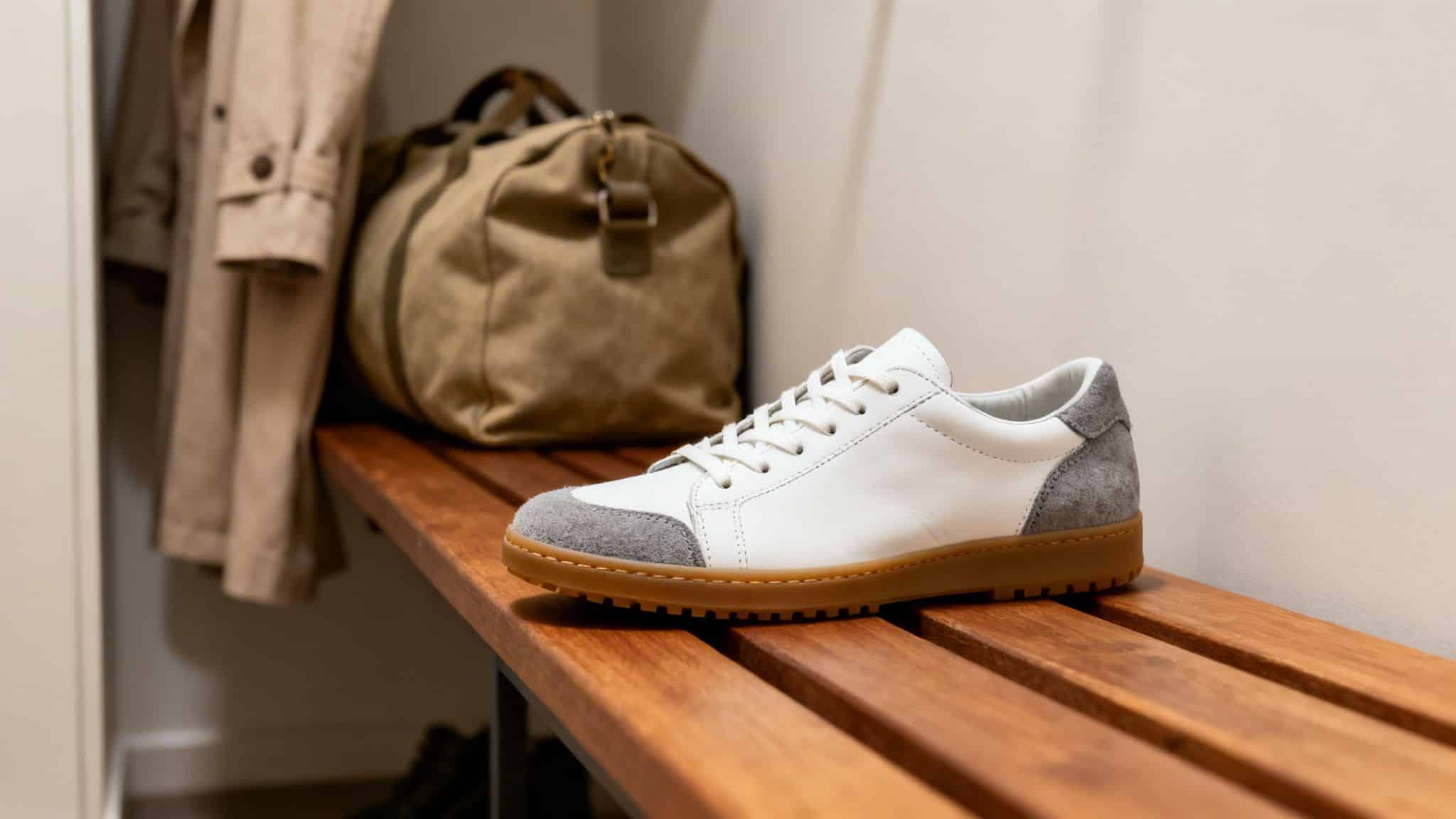
Decoding the Top 3 German Army Trainer Types
When you start digging into German Army Trainers, you quickly realize "GAT" isn't just one shoe. It’s more of a design blueprint that has evolved into three distinct categories. Figuring out which one is right for you comes down to what you value most: history, luxury, or everyday practicality.
The GAT's journey from military-issue gear to a fashion icon is what created these different paths. This family tree, so to speak, shows you exactly where it all started.
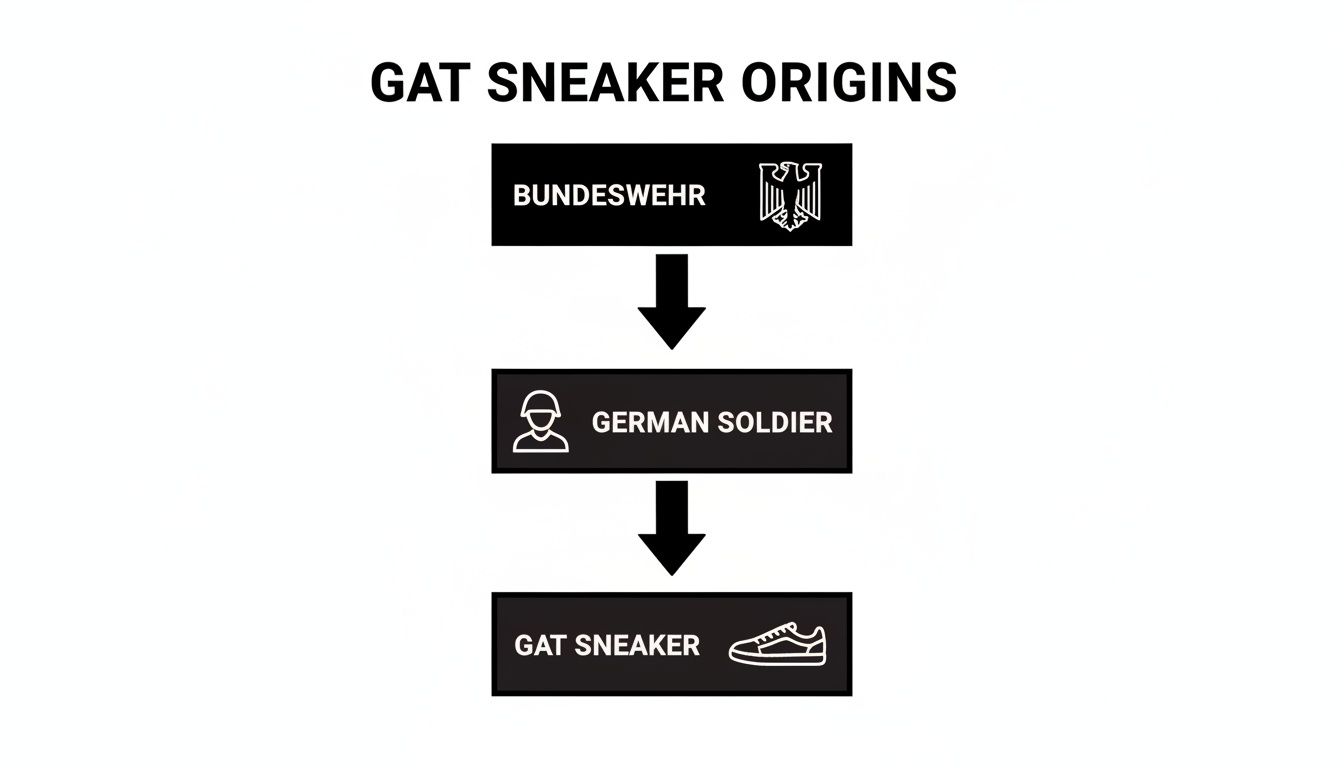
As you can see, every GAT out there—no matter the brand on the tongue—traces its DNA back to a single, function-first design built for the German armed forces.
1. The Original: Military Surplus
This is the genuine article. We’re talking authentic, unissued, or lightly used trainers originally made for the Bundeswehr. These are the very shoes that flooded surplus stores after the fall of the Berlin Wall in 1989, sparking the shoe’s cult status.
- Materials & Build: They’re built like a tank, not a luxury sedan. Expect a tough leather upper, a protective suede mudguard, and that classic gum rubber sole. Durability was the name of the game, not plush comfort.
- Who It's For: These are for the purists and history buffs. If you appreciate gear with a real story baked in, you can’t beat an original surplus pair.
2. The High-End Take: Luxury Designer Reinterpretations
Once the fashion world caught on, designers—most famously Maison Margiela—took the humble GAT and gave it a high-fashion makeover. They kept the iconic silhouette but rebuilt it from the ground up with premium materials and a much sharper, cleaner look.
Think of the luxury GAT as a masterful tribute album. It honors the spirit of the original but re-records it for a modern, fashion-forward listener—often with a price tag that reflects the studio time.
Instead of mil-spec leather, you’ll find buttery Italian Nappa, soft suede overlays, and calfskin linings. They’ve transformed a rugged trainer into a refined statement piece that’s comfortable right out of the box.
3. The Sweet Spot: Modern Affordable Alternatives
Smart brands saw the GAT's massive appeal and created their own versions that land perfectly between utilitarian surplus and bank-breaking luxury. These are your everyday workhorses, designed to deliver that classic style with solid quality at a price that makes sense.
For most guys, these alternatives are the most logical choice. You get the iconic look without having to hunt down a rare vintage pair or drop a month's rent on a designer model. They’re the perfect foundation for a versatile wardrobe, pairing just as easily with chinos as they do with a great pair of best running bottoms for that clean, athletic-inspired look.
Pros & Cons: Choosing Your Perfect GAT
To make the choice even clearer, let's break down how these three GAT families stack up against each other.
| GAT Type | Typical Price Range | Key Materials | Best For | Pros | Cons |
|---|---|---|---|---|---|
| Military Surplus | $50 – $150 | Thick leather, suede, gum rubber | History buffs, purists, budget-conscious buyers | Authentic, durable, affordable, has a story | Inconsistent sizing, can be stiff, requires hunting |
| Luxury Versions | $400 – $700+ | Nappa/calfskin leather, premium suede, leather lining | Fashion enthusiasts, those seeking premium comfort | Exceptional materials, immediate comfort, refined look | Very expensive, less durable for hard wear |
| Modern Alternatives | $100 – $250 | Good quality leather, suede, rubber soles | The everyday wearer, style-conscious buyers on a budget | Great balance of price and quality, accessible, consistent | Lacks historical authenticity, quality can vary by brand |
Ultimately, whether you lean towards a piece of history, a slice of luxury, or a perfect daily driver, there’s a GAT out there that fits the bill.
Summary: From Barracks to Boutiques
The journey of the German Army Trainer from a piece of military-issue gear to a menswear staple is a fascinating lesson in just how good functional design can be. Created in the 1970s for the West German Bundeswehr, the GAT was a no-frills athletic shoe built for durability and grip on indoor training floors. For more on the army's history, see the German Army's official site.
The real explosion in popularity happened after the Berlin Wall came down in 1989. Suddenly, hundreds of thousands of pairs of these authentic trainers hit European surplus stores. They were cheap, tough, and looked great, quickly earning a cult following. This was supercharged in the late 1990s when luxury fashion houses, most notably Maison Margiela, started creating high-end "Replica" versions, cementing the GAT's status as a fashion icon.
The Appeal of Understated Function
So, what’s the secret to their staying power? It really comes down to a perfect storm of features that seem tailor-made for a man's wardrobe today.
- Classic Good Looks: The combination of a clean leather upper and the signature suede toe cap just works. It’s a design that looks as good with beat-up jeans as it does with sharp chinos. Having a pair of these is like knowing how to find a proper fitting suit; it’s a simple move that instantly makes you look more put-together.
- Built to Last: Remember, these were made for soldiers. The construction was meant to handle the demands of daily training, which means you're getting a shoe that’s built to be worn, not just admired on a shelf.
- Seriously Versatile: This might be the ultimate "do-it-all" sneaker. They’re comfortable enough to wear all day while running errands but have enough polish for a dinner out or a casual day at the office.
Ultimately, the German Army Trainer is for the man who prefers quiet confidence over loud branding. It's a shoe that communicates an appreciation for things that are well-made and practical.
How to Style German Army Trainers
The real magic of the German Army Trainer isn't just its cool backstory; it's how ridiculously versatile this shoe is. The GAT's sleek, low-profile shape means it plays well with just about anything in your closet.

The Weekend Uniform
On a casual weekend, nothing is more reliable than the classic pairing of GATs and a good pair of jeans.
- The Look: Grab your German army trainers and pull on some quality selvedge denim. On top, a crisp, well-fitting t-shirt or a simple crewneck sweatshirt is all you need.
- Why It Works: Unlike standard athletic shoes, GATs bring a subtle touch of refinement.
Smart Casual Refined
The GAT is the perfect shoe for those tricky smart-casual situations, from date night to a laid-back day at the office.
- The Look: Team your GATs with tailored chinos in a versatile color like khaki, navy, or olive. A knit polo or a casual button-down shirt works perfectly up top. If you want to take it up a notch, explore some different men's sport coat styles and throw on an unstructured blazer.
Effortless Travel Style
GATs were literally designed for all-day wear, making them the ultimate travel companion.
- The Look: Start with your GATs and add a pair of comfortable tech trousers or well-fitting joggers. Layer up with something light like a field jacket, bomber, or a simple merino wool sweater.
How to Care for Your GATs and Make Them Last
When you find a great pair of German Army Trainers, you’re not just buying another pair of sneakers. You’re making an investment in a piece of timeless style that’s built to go the distance. To make sure that investment pays off for years to come, all it takes is a little bit of routine care.

Your Essential GAT Care Toolkit
First things first, let’s get your kit together.
- Suede Brush: This is your must-have tool for cleaning the delicate toe cap.
- Leather Conditioner: Keeps the leather upper from drying out and cracking.
- Protective Spray: A quality water and stain repellent creates an invisible shield.
- Soft Cloths & Sneaker Cleaner: Use a gentle, pH-neutral cleaner to avoid damaging the leather.
The Simple Maintenance Routine
Just follow these steps to keep every part of your GATs looking sharp.
- Prep the Shoes: Remove laces and use a dry brush to knock off any loose dirt.
- Clean the Suede: Use your suede brush and gently work on the dry suede panels, always brushing in one direction.
- Address the Leather & Sole: Use a soft cloth with a mild sneaker cleaner solution to gently wipe down the leather upper and the rubber sole.
- Condition and Protect: Once dry, apply a small amount of leather conditioner. Finish with a light coat of protective spray over the entire shoe.
This simple process is all it takes to make sure they remain a staple in your wardrobe. For more tips on choosing great dad gear, explore our other guides.
Conclusion
The German Army Trainer has earned its place as a menswear essential for good reason. It’s a shoe with a genuine history, a timeless design, and unmatched versatility. Whether you opt for a piece of military history with a surplus pair, indulge in the premium materials of a luxury version, or find the perfect daily driver in a modern alternative, the GAT is a smart investment. It delivers on style, comfort, and durability—a rare triple-threat in today's world of fast fashion. For any man looking to build a better, more functional wardrobe, the GAT is a perfect place to start.
Frequently Asked Questions
1. What are German Army Trainers?
German Army Trainers, or GATs, are a style of sneaker originally created in the 1970s for the West German army (Bundeswehr) for indoor training. They are characterized by a leather upper, a suede toe overlay, and a gum rubber sole. Their simple, functional design has made them a timeless staple in menswear.
2. Do German Army Trainers run true to size?
It depends. Original military surplus GATs often run about a half to a full size large and use the Mondopoint sizing system (based on foot length in millimeters). Modern reproductions and luxury versions from brands like Maison Margiela or Oliver Cabell typically use standard US/EU sizing, but it's always best to check the specific brand's sizing guide.
3. What is the difference between Adidas Sambas and GATs?
While they share a similar low-profile, T-toe design, they have different origins and fits. Sambas were designed for indoor soccer, are typically narrower, and feature Adidas's signature three stripes. GATs were designed for military training, have a slightly wider and more rounded profile, and lack prominent branding, giving them a more minimalist aesthetic.
4. Are German Army Trainers comfortable for walking?
Yes, they are very comfortable for all-day wear. They were originally designed for soldiers to use during daily training. Original surplus pairs have a firm, supportive feel that breaks in beautifully, while modern and luxury versions often include cushioned insoles for immediate comfort right out of the box.
5. How can you tell if GATs are authentic surplus?
Authentic military-issue GATs often have specific markings. Look for a NATO Stock Number (NSN) or other official numbers stamped inside the tongue or on the insole. The sole may also have markings from the original German manufacturer. Generally, their construction feels more rugged and utilitarian compared to fashion-focused replicas.
6. Who originally designed the German Army Trainer?
The exact origin is a topic of debate. While it was long rumored that brothers Adolf and Rudolf Dassler (founders of Adidas and Puma, respectively) designed the shoe in the 1930s, the GAT as we know it today was developed for the Bundeswehr in the 1970s. Both Adidas and Puma were contracted to produce them, but the design is officially credited to the German military.
7. Why are German Army Trainers so popular?
Their popularity stems from a perfect blend of history, minimalist style, and versatility. They were discovered by civilians in surplus stores after the fall of the Berlin Wall, gaining a cult following for their durability and low price. Their adoption by high-fashion designers like Martin Margiela elevated them to iconic status, making them a shoe that works just as well with jeans as it does with a casual suit.
At alphadadmode.com, we focus on gear that blends timeless style with real-world function. For more guides on building a smart, durable wardrobe and mastering modern fatherhood, explore our latest articles at https://alphadadmode.com.
