

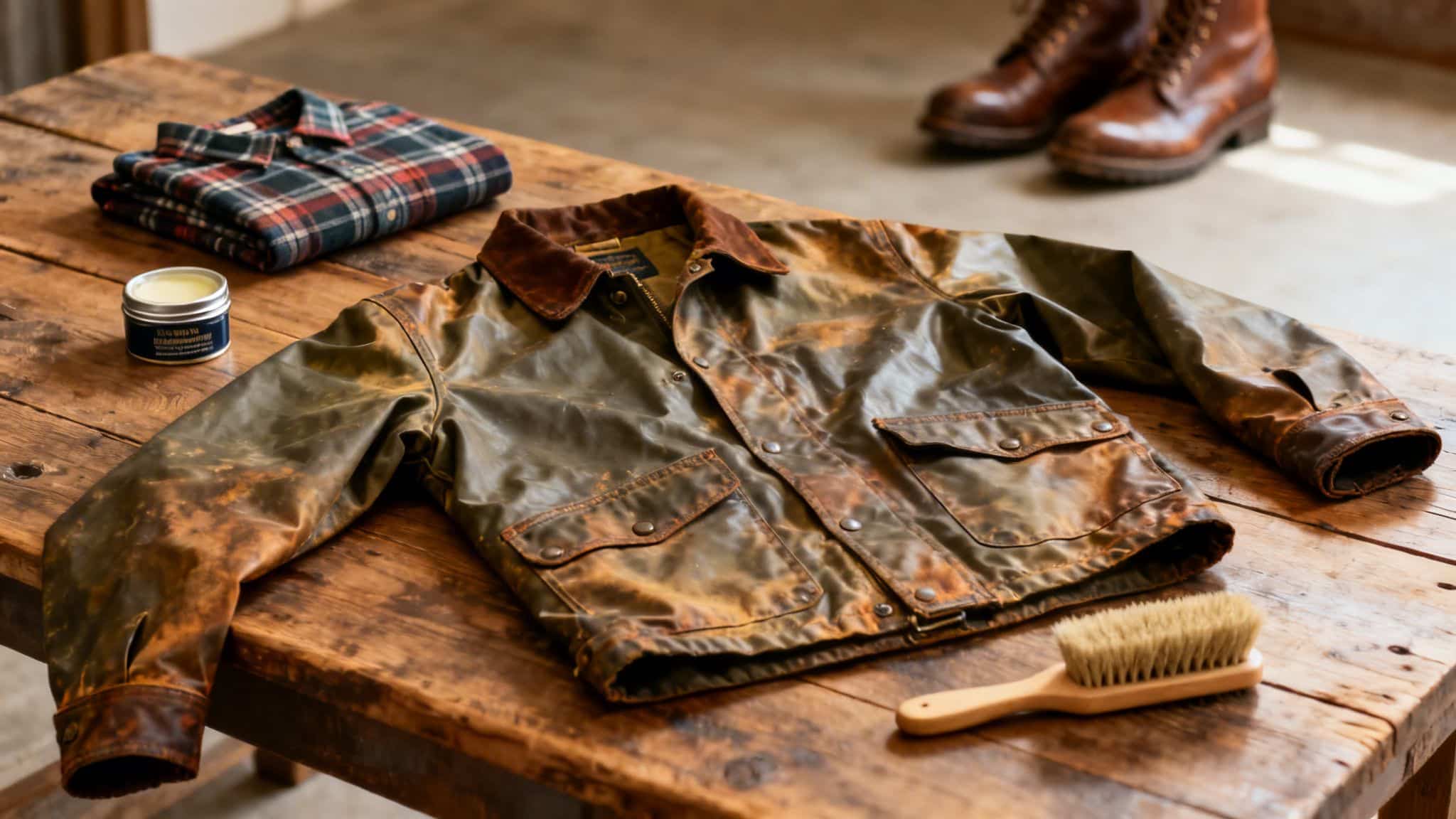
Let's get one thing straight: a mens waxed canvas jacket isn't just another coat you pull out of the closet. It’s a piece of gear, a trusty companion that’s as much about rugged function as it is about timeless style. In a global men's apparel market projected to reach a staggering $746.5 billion by 2030, guys are increasingly choosing gear that lasts. This jacket is built for the long haul, ready for anything from a weekend camping trip with the family to a casual Friday at the office. It's the kind of investment that pays you back in durability and character for years to come.
Why a Waxed Canvas Jacket Is Essential Modern Gear
To really understand this jacket, you have to look back—way back. Its story doesn’t start in some trendy design studio, but out on the brutal high seas.
Think 15th-century sailors battling storms. They figured out that by treating their cotton sails with linseed oil, they could make them repel water and wind. Fast-forward to 1830, when a British mill owner named Francis Webster patented the first waxed cotton cloth, bringing that same rugged, water-resistant tech to land.
That same spirit of durable, no-nonsense utility is why these jackets are more popular than ever. The entire market for men's coats and jackets was valued at USD 57.82 billion in 2025 and is on track to hit USD 86.05 billion by 2032. That's not just a trend; it's a clear signal that guys are looking for quality outerwear that actually lasts. You can dig into the full market research about this growth over on 360iResearch.com.
More Than Just a Garment
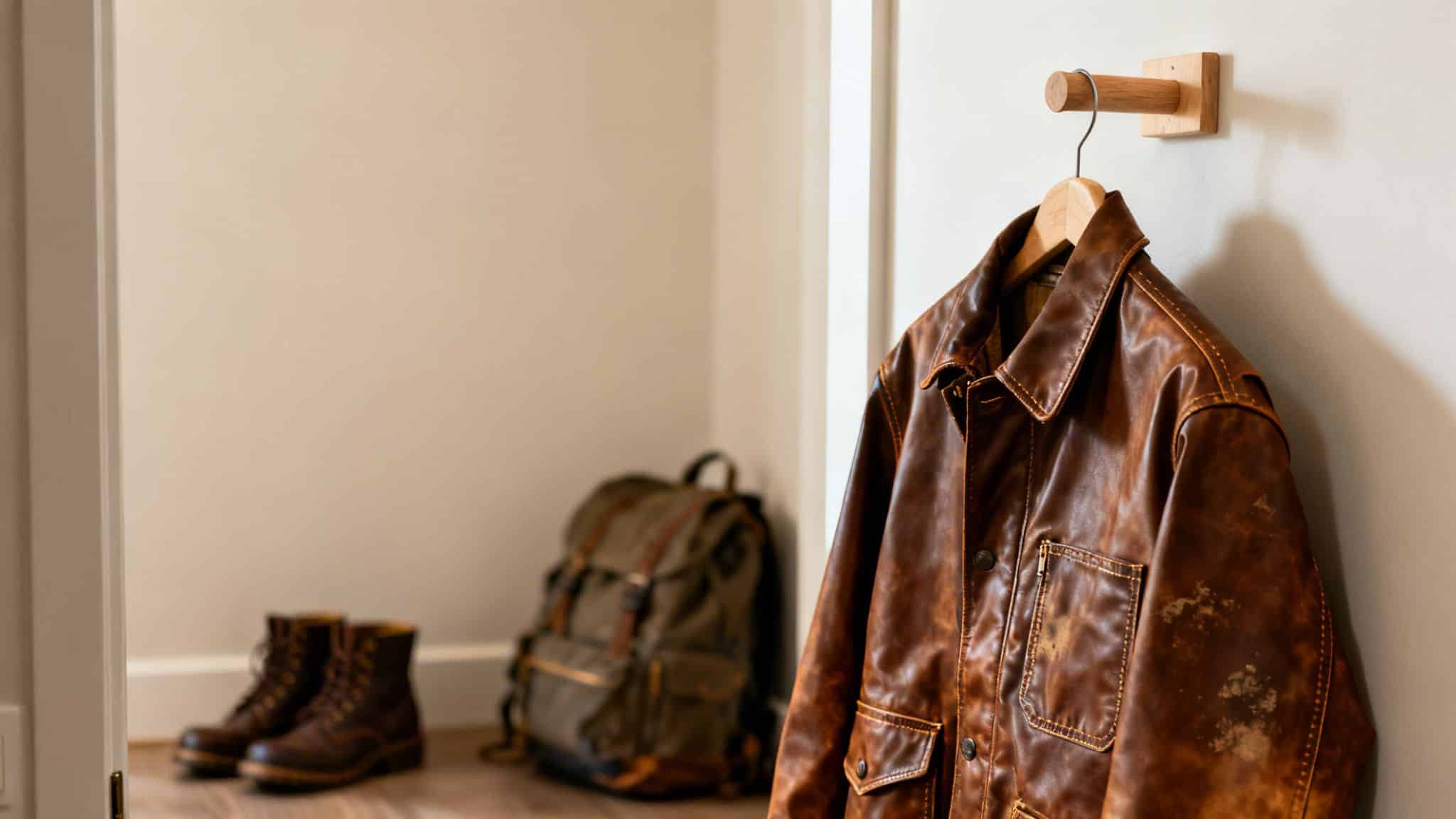
Here’s the thing that sets waxed canvas apart. Unlike a synthetic jacket that gets shredded, stained, and eventually tossed, a waxed canvas jacket wears in, not out. Every scuff, crease, and fade tells a story. It develops a unique patina that reflects your life—the daily commute, the weekend projects, the impromptu adventures. It becomes yours in a way that no off-the-rack jacket ever could.
Its real magic, though, is its versatility. It's tough enough for hauling firewood but looks sharp enough for a dinner out. It’s that perfect layer that feels right at home whether you’re loading up the SUV for a road trip or just grabbing a coffee. For dads gearing up for family adventures, it's a must-have piece of kit. It’s exactly the kind of thing we had in mind when putting together our guide on the best camping gear for families.
Review of 3 Popular Mens Waxed Canvas Jacket Types
When you hear "waxed canvas jacket," you might picture one specific thing. The reality is, it's more of a category than a single item. Think of it like a toolbox—you've got different tools for different jobs, and picking the right one is the key to getting things done right.
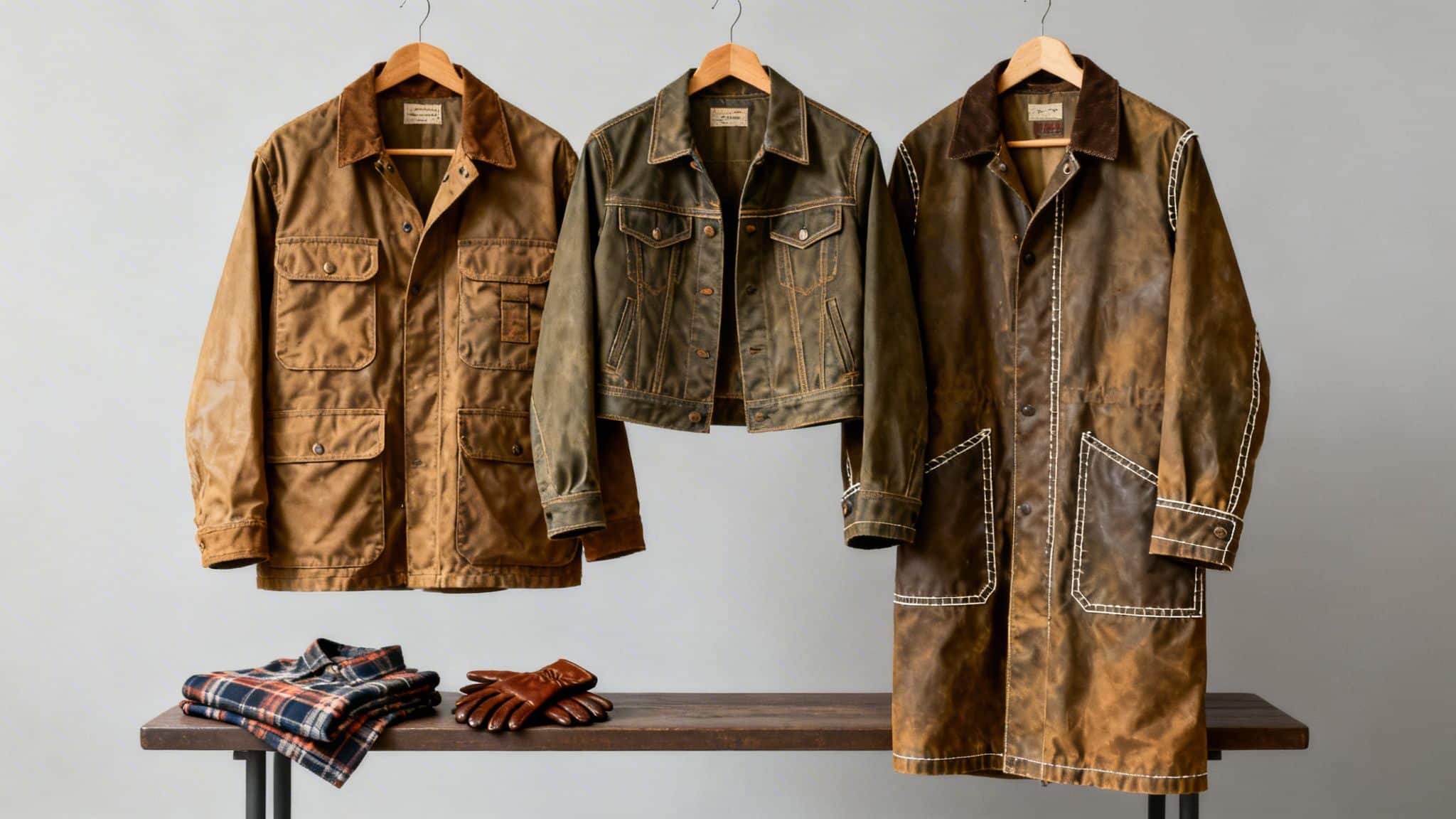
To find a jacket that will actually serve you well for years, you first need to understand the main designs out there. Let's walk through the three foundational styles you'll see everywhere: the Field Jacket, the Trucker Jacket, and the Barn Coat. Each has its own DNA and purpose, and knowing the difference will help you choose the right partner for your daily routine.
The Field Jacket: Military Heritage, Modern Utility
The Field Jacket comes straight from the military, born out of a need for pure function and battlefield readiness. Its most obvious tell is the pocket situation—usually four large pockets on the front, originally meant for maps, ammo, and other gear.
For a dad, those pockets are a game-changer. They become instant holsters for your phone, wallet, keys, and the strange collection of rocks, snacks, and tiny toys your kids inevitably hand you. No more bulging pants or needing a separate bag just to run to the store.
Another huge plus is the fit. Field jackets are cut a bit roomier through the body and shoulders by design. This gives you plenty of space to layer a hoodie or sweater underneath when the temperature really starts to dip, making it a true three-season workhorse.
When to Wear a Field Jacket
- Weekend Errands: The pocket real estate is perfect for trips to the hardware store or farmer's market.
- Family Hikes: That extra storage is a lifesaver for carrying water, snacks, and first-aid essentials on the trail.
- Casual Commutes: It throws a rugged, handsome layer over your work clothes and can easily handle an unexpected downpour.
The Trucker Jacket: A Timeless, Tailored Staple
Where the Field Jacket is built for utility, the Trucker Jacket is all about iconic style. It’s defined by its shorter, more fitted cut that hits right at the waist, giving it a sharp, classic silhouette that frankly looks good on just about everyone.
The design is brilliantly simple: a button front, a classic collar, and two chest pockets. That shorter length is incredibly flattering because it visually makes your legs look longer and creates a clean, defined profile. It’s the perfect choice for guys who want that rugged feel without looking sloppy.
Making it in waxed canvas elevates this classic design by adding serious weather resistance. It’s the ideal jacket for those unpredictable spring and fall days—light enough for a cool evening but tough enough to shrug off a surprise rain shower.
A well-fitting trucker jacket should feel trim but not tight. You want enough room to wear a button-down or light sweater underneath, but it shouldn't look bulky. The goal is a clean, sharp line from your shoulder to your waist.
The Barn Coat: Built for Hard Work
Finally, we have the Barn Coat. This is the heavyweight champion of the group, the most utilitarian of the three. Its name tells you everything you need to know—it was created for farmers and ranchers who needed a bombproof outer layer to protect them from the elements while they worked.
The most significant difference is the length. A barn coat extends past the waist to the upper thigh, offering far more coverage from wind, rain, and cold. That extra fabric makes a world of difference when you're bending down, lifting something heavy, or just stuck outside in nasty weather.
Key Features of a Barn Coat
- Tougher Fabric: Often built from a heavier-weight canvas that can withstand some serious abuse.
- Corduroy Collar: A classic detail that adds a bit of comfort and stops chafing around your neck.
- Large Pockets: These are typically oversized and easy to get into, designed for holding tools, work gloves, and other bulky items.
- Roomy Fit: It's cut with plenty of room to wear over multiple layers, making it a go-to for cold-weather chores.
While it's the most function-first of the bunch, a modern barn coat has a rugged charm that looks fantastic in casual settings. It projects an image of quiet capability and pairs perfectly with jeans and a solid pair of boots. If you're interested in how to coordinate rugged pieces like these, our guide on men's sport coat styles offers great tips on blending casual and smart attire.
Pros & Cons of Waxed Canvas Jackets
Think of a waxed canvas jacket less as a purchase and more as adopting a trusty companion. It's a piece of gear that starts telling your story from the moment you put it on. But like any good relationship, you need to know what you’re getting into—the good, the bad, and the occasional bit of work required.
This isn’t just another jacket you grab off the rack. It has a unique personality, and understanding its strengths and quirks is key. Let’s break it all down so you can decide if it's the right fit for your life.
The Clear Advantages (Pros)
For over a century, guys have sworn by this material for some very compelling reasons. It’s all about toughness, character, and a connection to the gear you own.
1. Built Like a Tank: These jackets are incredibly durable. The tightly woven cotton canvas, infused with wax, scoffs at tears and scrapes. It's made for real life, not to be babied.
2. It Earns Its Character: A waxed jacket only gets better with age. Every scuff and crease adds to its patina—a visual diary of your adventures you can't buy off the shelf.
3. Shrugs Off Wind and Rain: A well-maintained waxed canvas jacket is your best friend in foul weather. The wax makes water bead up and roll right off, and it's a fantastic windbreaker.
4. A Jacket for Life (Repairable): Unlike technical shells, waxed canvas is built to be mended. You can patch holes and re-wax the entire jacket, turning it into a sustainable, lifelong piece of gear.
The Honest Disadvantages (Cons)
No gear is perfect for every single scenario. It’s only fair to talk about the trade-offs so you know exactly what to expect.
1. It Needs a Break-In Period: A new waxed canvas jacket can feel stiff at first. It needs time to loosen up and mold to your body, much like a new pair of leather boots.
2. You're on Maintenance Duty: That amazing water resistance requires re-waxing every couple of years. It's a simple DIY job, but it's a chore you can't neglect.
3. It's Got Some Heft: Durability comes with weight. A waxed canvas jacket is noticeably heavier than a nylon windbreaker, which is great for protection but not for ultralight packing.
4. Breathability is Limited: The wax that stops water from getting in also makes it harder for sweat to get out. It's great for casual wear but can get clammy during strenuous activity.
Summary
Choosing the right mens waxed canvas jacket is about matching the tool to the job. Styles like the Field Jacket, Trucker, and Barn Coat each offer unique benefits in terms of pockets, fit, and coverage. While they provide outstanding durability, weather resistance, and a character that improves with age, they also require a break-in period and periodic re-waxing to maintain their performance. Their weight and limited breathability make them less ideal for high-exertion activities compared to technical shells. Ultimately, a waxed canvas jacket is a long-term investment in a versatile, repairable piece of heritage gear that wears in, not out.
How to Choose the Right Mens Waxed Canvas Jacket
So, you're ready to get your hands on a waxed canvas jacket. Good call. This isn't just another coat you'll wear for a season and forget about. Think of it as a long-term investment—a piece of gear that will break in, mold to your body, and tell the story of your adventures for years to come.
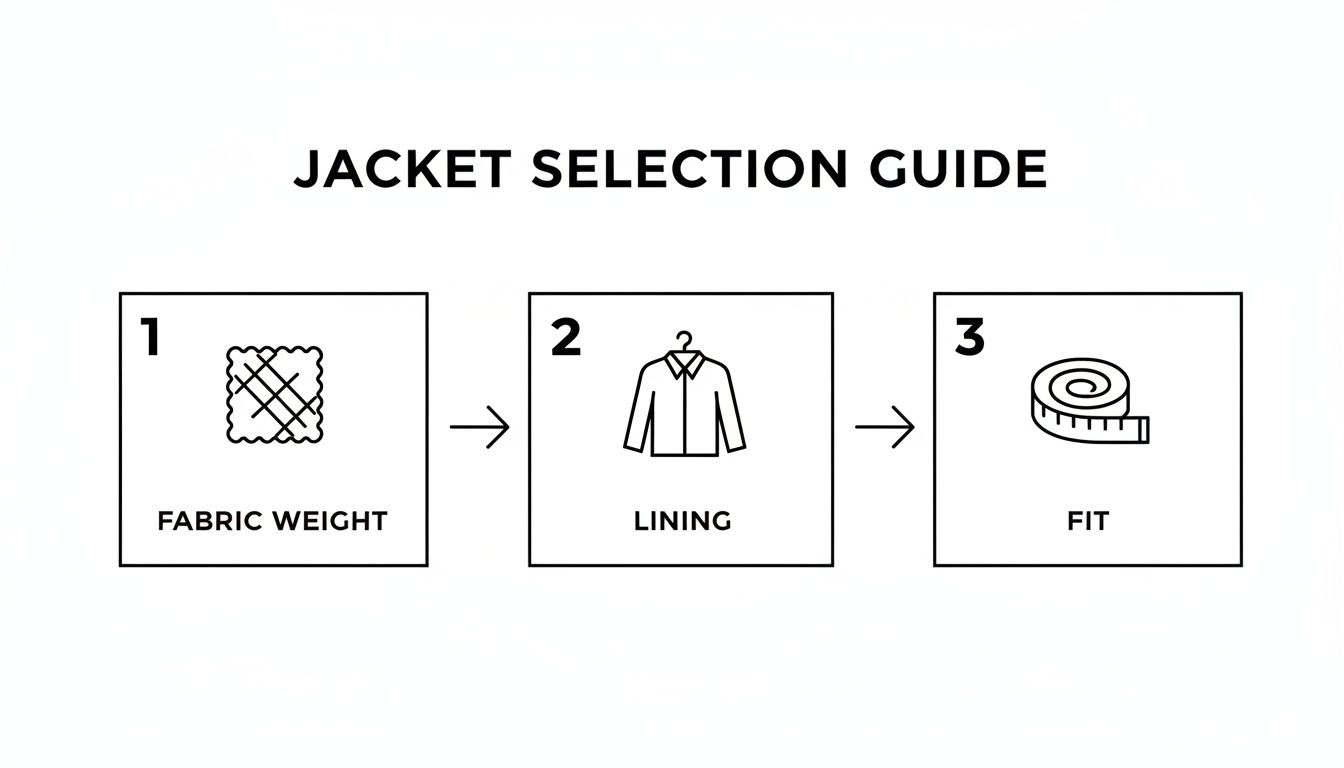
But to find the right one, you have to look past the surface-level style and get into the nuts and bolts of what makes these jackets tick. Let’s walk through what really matters: the fabric, the lining, the features, and most importantly, the fit. Nail these, and you'll end up with a jacket that’s as practical on a weekend job as it is handsome at the brewery.
Understanding Fabric Weight
When you see a jacket listed as 8oz or 12oz, they're talking about the fabric's weight in ounces per square yard. This number is a direct clue to the jacket's toughness, stiffness, and ideal use. It’s a bit like choosing the right tool—you wouldn’t use a finishing hammer to break up concrete.
-
Lighter Weights (7-9 oz): These jackets feel more like a heavy shirt—pliable and comfortable right out of the box. They break in fast and are perfect for three-season wear in milder climates. An 8oz jacket, for instance, is a fantastic sweet spot for a daily driver that can shed a light rain without weighing you down.
-
Heavier Weights (10-14 oz): Now we're getting into serious, workwear territory. A 12oz or 14oz canvas is built to take a beating, offering incredible resistance to snags and scrapes. It'll feel stiff as a board at first, but with time and wear, it softens and shapes to your body, creating a truly personal, bombproof outer layer.
Heavier doesn't automatically mean better. It's all about matching the jacket to your life. For most guys, a mid-weight canvas around 10oz hits that perfect balance between everyday comfort and real-deal ruggedness.
Decoding Lining Options
The lining is what makes your jacket a three-season shell or a winter-ready fortress. It dictates warmth and next-to-skin comfort, so choosing the right one is crucial for how and when you'll wear it.
Flannel or Wool Lining: These are your go-to options for cold weather. A flannel-lined barn coat feels like your favorite shirt and a warm blanket all in one, perfect for those crisp fall days and chilly nights. Wool takes it a step further, offering serious insulation, often in a quilted pattern that traps heat without adding a ton of bulk.
Unlined or Cotton Drill Lining: An unlined jacket is the undisputed king of versatility. It’s a tough, water-resistant shell you can throw over a t-shirt on a cool summer night or layer over a thick wool sweater when the temperature really drops. This adaptability makes it a true year-round workhorse.
Think about your local climate and your layering style. If you deal with harsh winters, a lined jacket is an easy choice. But if you live somewhere more temperate or just prefer to manage your own warmth with layers, an unlined jacket will give you the most bang for your buck.
Essential Features to Look For
The little details are what separate a decent jacket from a great one. These functional touches might seem small, but you’ll notice them every time you put the jacket on.
Here are a few key features that really make a difference:
- Storm Flap: That extra strip of fabric covering the zipper or buttons is a game-changer. It’s your first line of defense against wind and driving rain trying to sneak through the front.
- Pocket Configuration: Think about what you actually carry. Do you need button-flap chest pockets to keep your phone secure? Big, open "dump" pockets for gloves and a beanie? Some jackets even have slick, hidden interior pockets for a wallet.
- Reinforced Elbows: High-wear areas like the elbows take a lot of abuse. A simple patch of extra canvas there can dramatically extend the life of your jacket, especially if you’re not afraid to get your hands dirty.
- Action Back: This is a small pleat or gusset built into the back, right behind the shoulders. It gives you that extra bit of room to move your arms freely, so the jacket never feels tight or restrictive when you're reaching, driving, or wrestling with the kids.
Getting the Fit Right
A proper fit is everything. Too tight, and you can’t layer or even move comfortably. Too loose, and you'll look sloppy and lose all the weather-protecting benefits. You're aiming for that sweet spot between flattering and functional.
Start by taking your own basic measurements—chest, waist, and sleeve length from the center of your back. Always check these against the brand's size chart, as one company's "Large" is another's "Medium." The shoulder seams are your best guide; they should sit right on the edge of your natural shoulder.
The goal is a fit that looks sharp but still has enough room for a thick sweater underneath without making you feel like a stuffed sausage. It's about finding that tailored look without sacrificing utility. For more on this, the same principles that apply to formalwear can be a helpful guide. You can check out our guide on finding a proper fitting suit for more pointers on nailing that perfect silhouette, even in your outerwear.
Essential Care and Rewaxing to Last a Lifetime
A good waxed canvas jacket is an investment, but its legendary lifespan isn't something you get for free. It comes from a little bit of straightforward maintenance. Think of it like caring for a cast-iron skillet or a pair of quality leather boots; a bit of attention ensures it not only lasts but actually gets better with every year you own it.
Proper care isn't about complicated chores. It's about understanding the fabric. The whole point is to keep your jacket clean without stripping away the protective wax that gives it that weather-beating superpower. This simple routine is what turns a piece of outerwear into a trusted companion for decades of wear.
Routine Cleaning Simple Steps
First things first: never put your waxed canvas jacket in a washing machine. The combination of detergent, heat, and tumbling will completely strip the wax, destroying its water resistance and possibly damaging the fabric for good. Instead, you'll want to take a more targeted approach to dirt and grime.
For everyday dust or light, dry dirt, a stiff brush is your best friend. Just give it a good brush-down. If you’ve got splatters of wet mud, let them dry completely first—it’ll flake right off with the brush. This gets rid of the surface-level stuff without messing with the wax finish.
For tougher spots, all you need is cold water and a soft cloth or sponge.
- Spot Treat: Gently dab the stain with the damp cloth. Avoid scrubbing like you're trying to remove a barnacle, as that can just push the dirt deeper into the cotton fibers.
- Use Mild Soap Sparingly: For an oily stain or some really ground-in dirt, a tiny amount of non-detergent soap (like a simple castile soap) on your cloth can help. Work it into the spot gently, then rinse the area well with a clean, damp cloth.
- Air Dry Completely: Always hang your jacket up to air dry at room temperature. Stay away from dryers, radiators, and direct sunlight. Intense heat will melt the wax and cause it to run, leaving you with a splotchy, uneven finish.
A Step-by-Step Guide to Rewaxing Your Jacket
Over time, you'll start to see the wax wearing thin in high-friction areas—think elbows, shoulders, and the edges of your pockets. You might notice water isn't beading up like it used to and is starting to soak in a bit. That’s your cue: it’s time to re-wax. This process fully restores the jacket’s water resistance and brings back its rich color. Plan on doing this every 1-2 years if you wear it regularly.
Before you start, get your gear together: a bar of fabric wax, a hairdryer or heat gun, and a lint-free cloth. It's also a good idea to lay down some cardboard or an old sheet to protect whatever surface you're working on. (If your workspace could use an upgrade, check out our guide on how to build a workshop bench for some ideas).
1. Prepare the Garment
Make sure the jacket is clean and bone dry. Grab that stiff brush again and go over the whole thing to get rid of any dust or debris, paying extra attention to the seams where gunk loves to hide.
2. Apply the Wax
Take your bar of wax and rub it firmly across the fabric using broad, even strokes. It's a lot like coloring with a big crayon. Be sure to apply more wax to the seams, cuffs, and shoulders, since those are the areas that take the biggest beating from the weather. You're aiming for a consistent coating that might look a little waxy or whitish at this point.
3. Heat to Absorb
Now, grab your hairdryer and set it to medium or high heat. Gently warm the fabric where you applied the wax. You'll literally see the wax melt and absorb right into the canvas, which will darken its color. Keep the hairdryer moving so you don't overheat any single spot.
Pro-Tip: Use your lint-free cloth to gently rub the melted wax into the fabric as you go. This helps spread it evenly and wipes away any excess, preventing a sticky or blotchy finish.
4. Cure for a Perfect Finish
Once you’ve waxed and heated the entire jacket, hang it up in a warm, dry spot and leave it alone for at least 24 hours. This curing time is non-negotiable; it allows the wax to fully set and bond with the cotton fibers. After that, your jacket's protective barrier is restored and ready for another year or two of whatever you can throw at it.
Conclusion
Let's be clear: a men's waxed canvas jacket is more than just another piece of outerwear. It’s a workhorse with a soul. It has a rugged heritage, sure, but it's also incredibly practical and just looks sharp. This is the kind of jacket that can handle a weekend camping trip and still look right at home grabbing dinner on a Tuesday night.
But it’s not just about looking the part. In a global coats and jackets market valued at a massive $110 billion, waxed canvas offers something most modern outerwear can't: longevity. You don't just throw these jackets away. You can repair them and re-wax them for years—decades, even. For a deeper dive into market trends, Grandview Research has a full report. This commitment to durability is a huge draw for anyone tired of disposable fashion.
Ultimately, choosing a waxed canvas jacket is about investing in a piece of gear that’s built to tell your story. It’s not a disposable trend; it’s a companion that earns its character through shared experiences.
Think of it this way: the jacket starts as a blank slate. Over time, every scuff from carrying firewood or crease from driving your truck adds to its unique patina. It's a garment that wears in, not out, becoming a visual record of your life and a reliable partner for whatever comes next.
Frequently Asked Questions About Mens Waxed Canvas Jackets
Getting into heritage gear like a mens waxed canvas jacket always brings up a few practical questions. You're making an investment, and you want to know exactly what you're getting into. Let's clear up some of the most common things guys ask before they pull the trigger.
1. Are waxed canvas jackets truly waterproof?
The short answer is no, they are highly water-resistant, not 100% waterproof. A waxed canvas jacket is designed to shed rain and snow effectively for most everyday situations. However, during a sustained, heavy downpour, some moisture might eventually seep through, especially at the seams. For 95% of real-world use, its water resistance is more than enough, but for extreme weather, a technical shell like Gore-Tex is superior.
2. How often should I rewax my jacket?
This depends entirely on usage. A good rule of thumb is every 1 to 2 years for a jacket worn regularly. The jacket will give you signs: if water stops beading and starts soaking into the fabric, it's time. High-wear areas like shoulders, elbows, and cuffs may need a quick touch-up more frequently.
3. Can I wash a waxed canvas jacket in a washing machine?
Absolutely not. Never put your waxed jacket in a washing machine or send it to a dry cleaner. The detergents, heat, and agitation will strip the wax, destroying its water-resistant properties and potentially damaging the fabric permanently. Always spot-clean with a soft brush and cold water only.
4. Do waxed canvas jackets have a smell?
A brand new waxed canvas jacket may have a faint, earthy scent, often compared to beeswax or crayons. This is a normal characteristic of the authentic wax treatment and fades quickly with wear and exposure to air. If a jacket ever develops a musty smell, it's likely because it was stored while damp. Airing it out in a dry, ventilated area will resolve this.
5. Are waxed canvas jackets good for winter?
It depends on the lining. An unlined waxed canvas jacket is an excellent three-season shell that can be layered for warmth. For true cold-weather performance, look for a lined version. A flannel or, even better, a wool-lined mens waxed canvas jacket provides significant insulation, making it a fantastic choice for a rugged and stylish winter coat.
At Alpha Dad Mode, we believe in gear that works as hard as you do. A waxed canvas jacket is more than an article of clothing; it's a tool that builds confidence and prepares you for life's daily adventures. To find more no-fluff guidance on gear, parenting, and personal growth, visit us at https://alphadadmode.com.
