



Trial separation can help couples gain clarity, reduce conflict, and reassess their relationship. However, it can also make things worse if there are no clear rules, communication breaks down, or expectations are not aligned. Whether it works depends on how both partners approach the separation and what they want to achieve.
- Helps when: both partners want clarity and growth
- Hurts when: there’s no communication or clear purpose
- Works best with: boundaries and defined goals
- Risk: emotional distance may increase
- Outcome: depends on effort from both sides
When relationships hit a breaking point, the idea of a trial separation can feel like a potential lifeline. But confusion and fear often surround it. Is it a step toward healing or just a slow walk toward divorce? This guide provides clear answers and grounded advice to help you decide.
Key Takeaways
- A trial separation is not a solution by itself; it's a tool for gaining clarity.
- Clear rules and boundaries are essential for a successful outcome.
- Communication—even about how you'll communicate—is critical.
- The primary goal should be emotional clarity, not just physical distance.
- Results vary widely and depend entirely on the couple's commitment to the process.
Does Trial Separation Actually Help?
The short answer is: it can, but it's not guaranteed. A trial separation is most effective when it serves as a structured pause, not an escape. It can provide the space needed to break a cycle of constant conflict, allowing emotions to cool and clear thinking to begin. This distance helps individuals evaluate the relationship from a new perspective, away from the daily tension.

When Trial Separation Helps
A separation is more likely to be a positive step when it's approached with intention and a shared sense of purpose.
- Both Partners Agree on the Purpose: You both have a clear, mutual goal, whether it's to de-escalate conflict, work on personal issues, or gain perspective.
- Clear Communication Exists: You establish and respect boundaries for how and when you will communicate during the separation.
- Boundaries Are Defined: You agree on rules for finances, social interactions, and potential intimacy before the separation begins.
- There's a Willingness to Work: Both partners use the time apart to reflect, grow, and potentially seek individual counseling or coaching.
When Trial Separation Makes Things Worse
Without a solid framework, a separation can easily deepen the divide and cause more harm than good.
- Lack of Communication: Vague or non-existent communication rules lead to confusion, anxiety, and resentment.
- No Clear Rules: An "anything goes" approach often results in hurt feelings and actions that make reconciliation impossible.
- One Partner Disengages: If one person uses the separation to check out of the relationship completely, it becomes a one-sided effort.
- Used as Avoidance: The separation is treated as a vacation from problems rather than an opportunity to solve them.
Rules for a Healthy Trial Separation
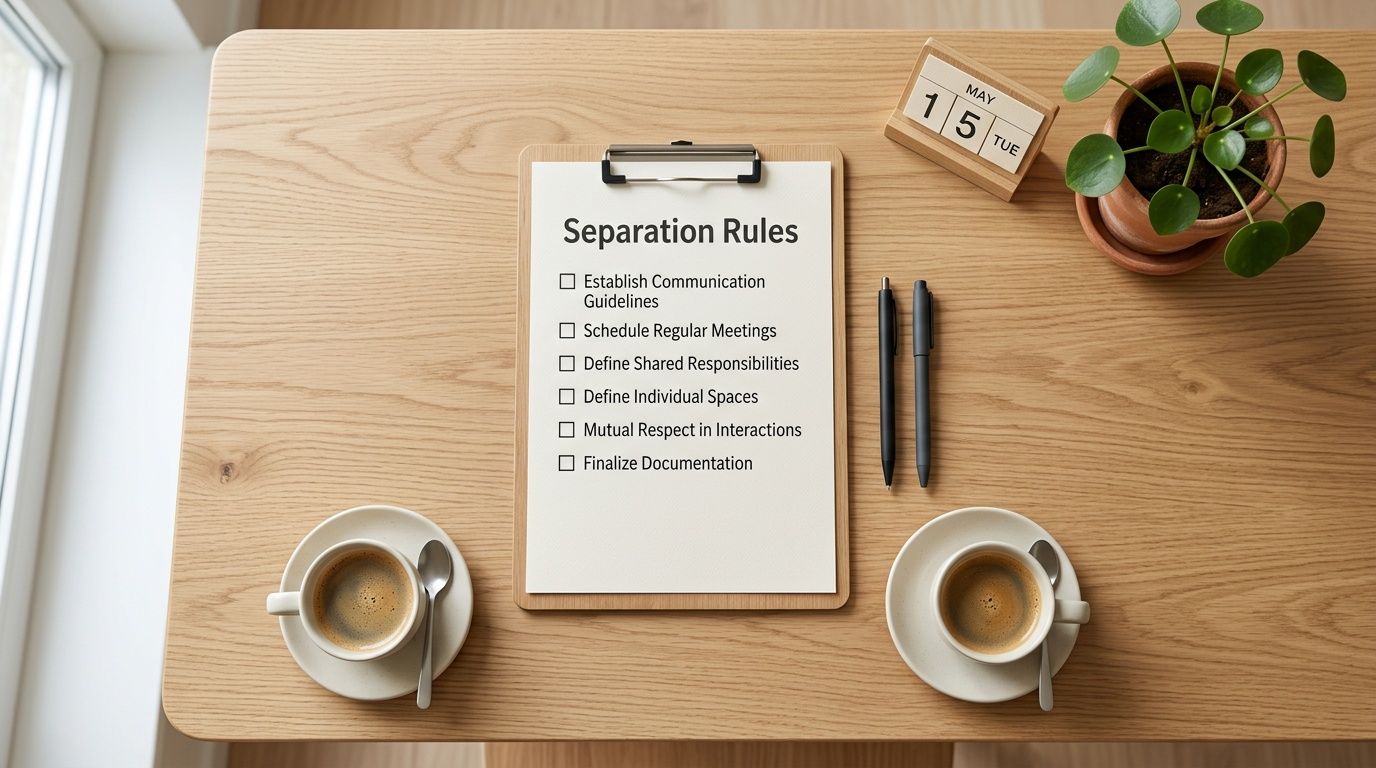
A trial separation without rules is just practice for divorce. To give your relationship a fair chance, you must establish clear, non-negotiable ground rules together before you start. These rules create a safe and predictable structure for your time apart.
- Set a Clear Goal: Agree on the primary purpose. Is it to cool off, work on yourselves, or decide whether to stay together? Write it down.
- Define the Duration: An open-ended separation creates anxiety. Agree on a specific timeframe, typically a few weeks to a few months, with a firm date to re-evaluate.
- Agree on Communication: How often will you talk? By what method (text, phone, in person)? What topics are off-limits for casual conversation? This is key marriage separation advice.
- Respect Boundaries: Be explicit about finances, living arrangements, co-parenting schedules, and rules about intimacy or dating other people.
- Avoid Assumptions: Don't assume your partner knows what you're thinking or feeling. When you do communicate, be clear and honest.
How Long Should a Trial Separation Last?

The ideal duration for a trial separation is a delicate balance. It needs to be short enough to maintain a sense of connection and urgency, but long enough to allow for genuine reflection and change. For most couples, a period of a few weeks to a few months is effective. An open-ended separation is often a slow path to divorce, as it allows inertia to take over. Setting a specific end date creates a deadline that encourages both partners to use the time productively.
Risks of Trial Separation
While the goal is clarity, a separation is not without risks. Going in with your eyes open is crucial for navigating these potential pitfalls.
- Emotional Distance: The physical space can easily turn into emotional distance, making it harder to reconnect.
- Miscommunication: Without clear rules, actions can be misinterpreted, leading to more hurt and conflict.
- Increased Uncertainty: A lack of structure can amplify feelings of anxiety and instability for both partners and any children involved.
- Relationship Drifting Apart: One or both partners may find they prefer life on their own, allowing the separation to become permanent by default rather than by choice.
Should You Try a Trial Separation?

This is a deeply personal decision with no easy answer. It requires an honest assessment of your relationship and your shared goals.
- Try it if: you and your partner are both committed to gaining clarity, willing to set and respect rules, and see it as a constructive tool for growth.
- Avoid it if: communication is completely broken, one partner has already checked out, or it's being used as an ultimatum or a soft-launch for divorce.
- Consider help if: emotions are too overwhelming to have a productive conversation. A neutral third party can help you decide if it's the right move.
When to Seek Professional Help
Navigating a separation in marriage is emotionally draining, and you don't have to do it alone. If discussions are going in circles or the pain feels too intense, professional guidance can be invaluable.
Platforms for online therapy or relationship coaching offer accessible ways to get support. A therapist or counselor can help you set healthy boundaries, improve communication, and process the difficult emotions that come with this journey. If you're struggling to create a productive plan, consider talking to a professional. Guided support can help clarify things for both of you.
FAQs
Does trial separation work?
It can work if both partners are committed to the process and have clear, shared goals for the time apart. Success depends on effort and intention.
How long should a trial separation last?
It varies, but a structured period of a few weeks to a few months is most common. An open-ended separation is generally not recommended.
Can separation save a relationship?
Yes, separation can save a relationship if it’s used as an opportunity for genuine reflection, personal growth, and improving communication. It’s a tool, not a cure.
What are the rules for trial separation?
Essential rules include setting a clear timeline, defining communication boundaries, agreeing on financial and social terms, and establishing a shared goal for the separation.
Conclusion
Deciding on a trial separation is one of the most challenging moments in a relationship. The path is fraught with emotional difficulty and uncertainty. Whatever you decide, the key is to approach the situation with as much clarity, honesty, and mutual respect as possible. Focus on open communication and thoughtful decision-making, whether you are together or apart. This difficult period can be an opportunity for profound growth, leading you toward a healthier future, whatever that may look like.
