
Deciding between a Weber Spirit and a Weber Genesis is the ultimate grilling crossroads. It's about choosing your weapon for countless backyard battles against bland food. With over 75% of American adults owning a grill and the gas grill market projected to grow by over $1.2 billion by 2028, the demand for quality is higher than ever. So, are you looking for a fantastic, everyday grill that gets the job done (the Spirit), or are you after a high-performance machine with more power and features (the Genesis)? Think of the Spirit as the trusty, high-value workhorse for most families, while the Genesis is the serious upgrade for the enthusiast who wants more room and versatility.
The Ultimate Grilling Decision for Backyard Chefs
Picking a new grill is a big deal. It's the centerpiece for countless family dinners and weekend cookouts. While over 70% of US households own a grill, Weber continues to stand out, and the Spirit and Genesis lines are their two most popular offerings for a reason. Let’s break down which one is the right fit for you.
The Spirit has always been Weber’s top seller, and the new 2025 models have seriously upped the ante. They now pack proprietary Boost Burners that crank up the power by 40%, letting the dedicated Sear Zone hit a blistering 750°F for incredible steakhouse-style grill marks. This brings some genuinely high-end performance to a much more accessible price, making it a no-brainer for dads who want great results without breaking the bank. If you're outfitting your other outdoor adventures, you might also want to check out our guide on the best camping gear for families.
The Genesis, on the other hand, is a clear step up across the board. It's built for the guy who hosts the whole neighborhood, needs more cooking real estate, and wants the kind of power and features that deliver professional-grade food every time.
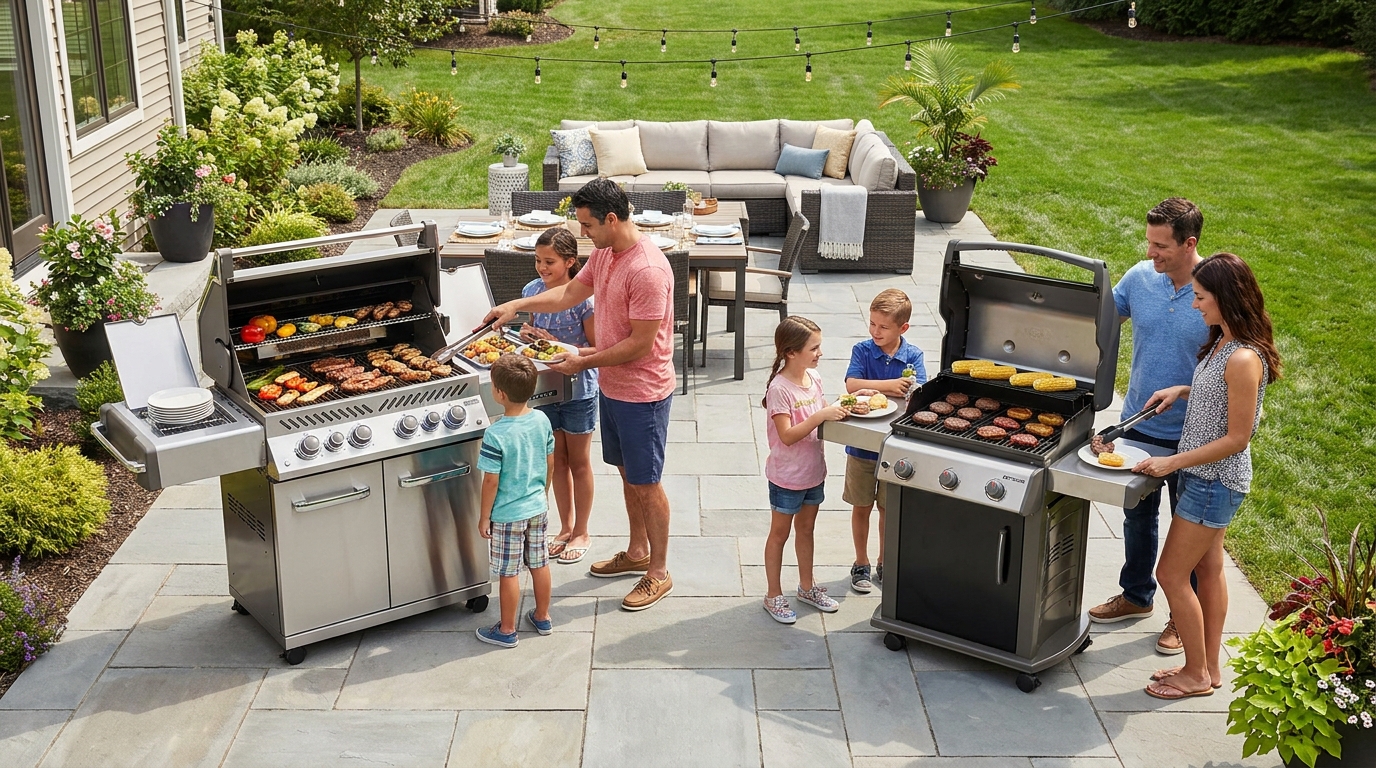
The core difference is simple: The Spirit is your reliable, do-it-all grill perfect for quick weeknight meals and smaller patios. The Genesis is the aspirational choice for the weekend grill master who wants to do everything from low-and-slow smoking to multi-zone cooking.
Weber Spirit vs Genesis Key Distinctions
To put the main differences in perspective, here’s a quick side-by-side look at what defines each series. This should help you see exactly where each grill shines.
| Feature | Weber Spirit Series | Weber Genesis Series |
|---|---|---|
| Ideal User | Everyday grillers, smaller families, budget-conscious buyers | Grilling enthusiasts, larger families, frequent entertainers |
| Price Point | More affordable (Starting around $450) | Premium (Starting around $900) |
| Primary Strength | Excellent value, compact footprint, reliable performance | Higher power, larger cooking area, advanced features |
| Key Innovation | New Boost Burners for a powerful, dedicated Sear Zone | Expanded WEBER CRAFTED system, higher overall BTUs |
Weber has stayed at the top of the market by understanding these different types of grillers. Since its debut back in 1995, the Spirit has been the go-to for dependable performance, and its latest upgrades just cement its legacy of providing incredible value. You can learn more about the new models on Weber's official site.
Weber Spirit vs Genesis at a Glance
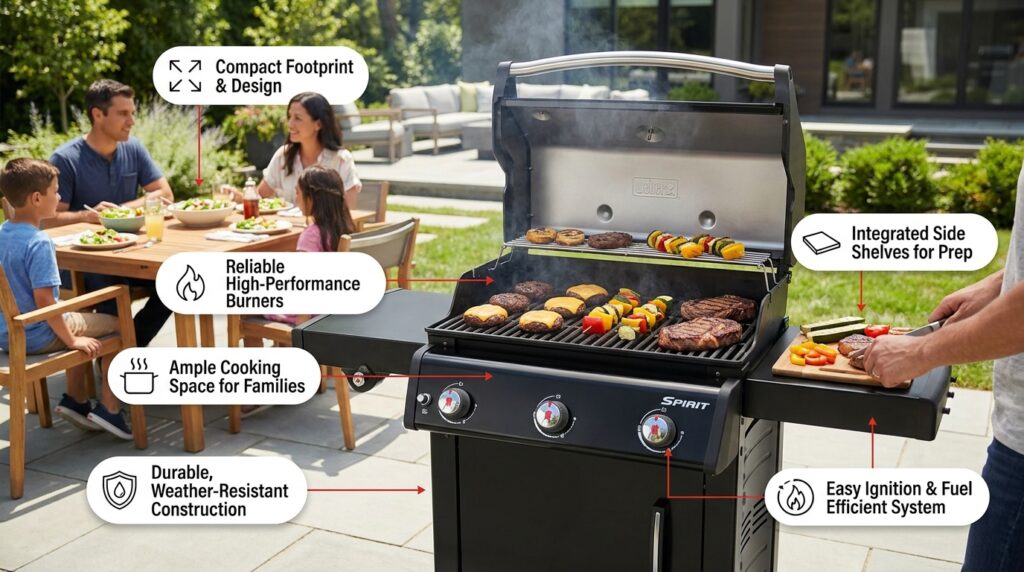
When you’re standing in the aisle looking at a wall of grills, the first thing to understand is the core difference between these two legendary Weber lines. It’s not just about size or price—it’s about philosophy. Think of the Weber Spirit as the perfect, reliable workhorse. It’s the grill you buy for fantastic weeknight dinners, weekend burgers for the family, and your first serious step into quality grilling.
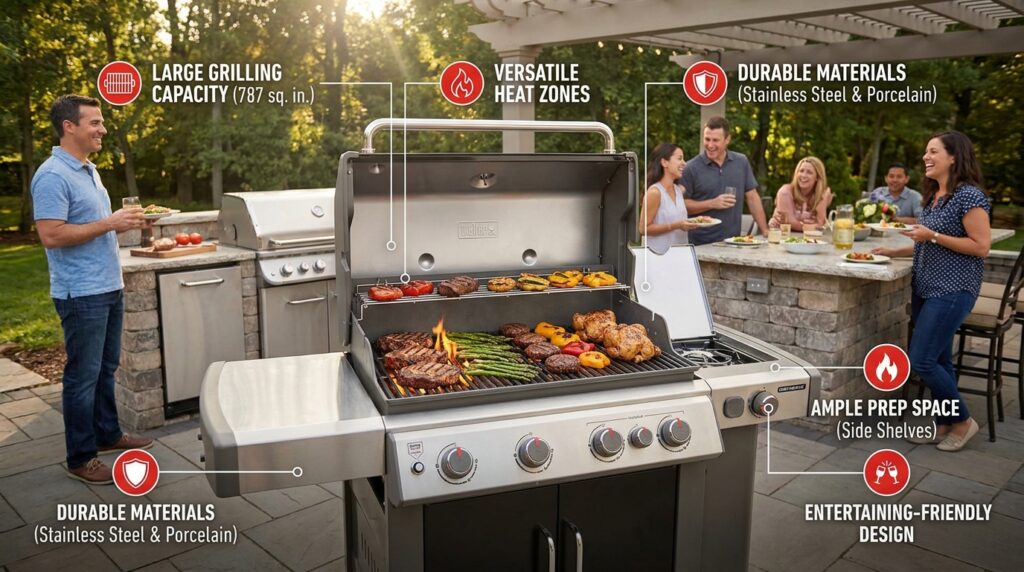
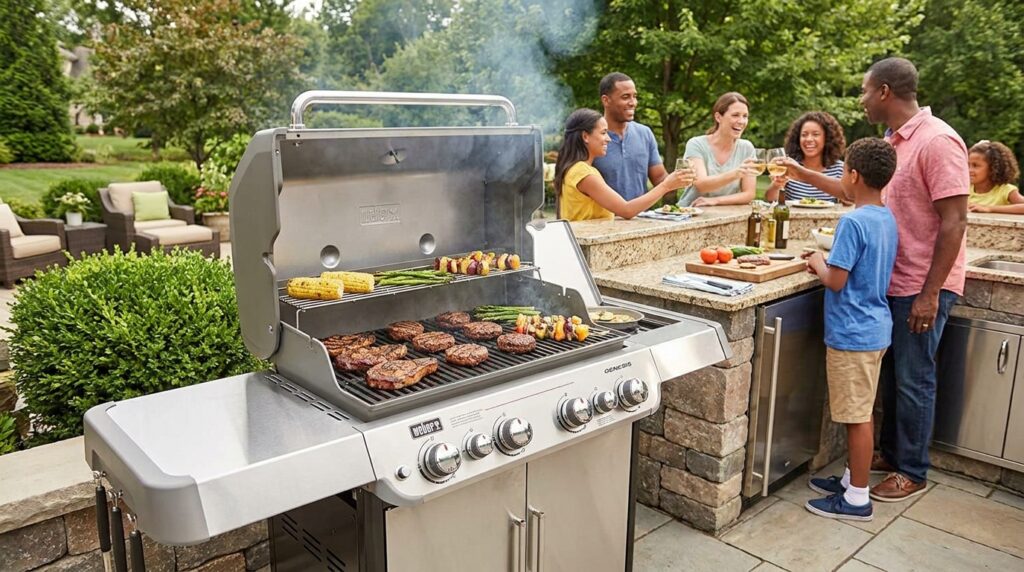
The Weber Genesis, on the other hand, is a different beast entirely. It’s built for the person who sees grilling as a hobby, not just a way to cook dinner. If you’re hosting the whole neighborhood for a cookout or want the power and space to experiment with different cooking zones and techniques, the Genesis is where you should be looking. It’s a genuine upgrade in every sense.
This chart sums it up perfectly, positioning the Spirit as the "Value Workhorse" and the Genesis as the "Premium Upgrade."
Ultimately, your choice starts with a simple question: are you looking for a fantastic and dependable daily driver, or are you ready for a high-performance machine with more room under the hood?
Spirit vs Genesis Core Feature Comparison
To see exactly where your money goes, it helps to put the core specs side-by-side. This isn't an exhaustive list of every model, but it gives you a clear snapshot of what defines each series.
| Feature | Weber Spirit Series | Weber Genesis Series |
|---|---|---|
| Price Range | $450 – $900 | $850 – $2,000+ |
| Best For | Small families, new grillers, limited space | Grilling enthusiasts, large families, entertainers |
| Main Burner Power | Generally 26,500 – 32,000 BTUs | Generally 39,000 – 69,000 BTUs |
| Primary Cooking Area | ~424 sq. in. (3-burner models) | ~513 – 640+ sq. in. (3 & 4-burner models) |
| Specialty Features | Base models are feature-light; some have side burners | Standard Sear Zone, WEBER CRAFTED ready, expandable top grate |
As you can see, the jump to a Genesis brings a significant boost in raw power and cooking real estate. It’s less about one being "good" and the other "bad," and more about matching the grill's capabilities to your own grilling ambitions.
Comparing Core Performance and Build Quality
Once you get past the spec sheets, the real story of the Weber Spirit vs. Genesis unfolds where the flame meets the food. This is where you feel the difference in your investment, not just in the final sear on your steak, but in the entire cooking experience. It’s less about raw BTUs and more about how that heat is controlled, distributed, and sustained over time.
Both the Spirit and Genesis come from the same trusted Weber engineering, but they're built for different kinds of grill masters. Let's dig into what truly separates them when it comes to power and the materials holding it all together.
Burner Systems and Searing Power
The engine of any great grill is its burner system, and this is a key fork in the road for the weber spirit vs genesis decision. While both lines produce consistent heat, their approach to that all-important, high-heat sear is what sets them apart.
The 2025 Spirit models got a fantastic upgrade with proprietary Boost Burners. This creates a dedicated Sear Zone that can rocket up to 750°F. For a grill in the Spirit’s price range, that's a game-changer. It gives you the power to achieve a beautiful crust on a couple of steaks or burgers without needing the brute force of a bigger, pricier grill.
The Genesis, however, treats searing as a core competency, not just a feature. Its Sear Zone is a fully integrated part of a more powerful overall system, delivering a blistering 13,000 BTUs of direct, focused heat. This results in a larger, more intensely and evenly heated searing area.
Think of it this way: The Spirit's Boost Burner is like a turbo on a sporty sedan—it gives you a thrilling burst of power when you punch it. The Genesis is like having a big V8 under the hood—the power is always there, effortless and deep, making high-performance searing feel completely natural.
You’ll notice this difference when the party gets bigger. The Spirit’s sear zone is perfect for a weeknight meal, but if you’re grilling for a crowd, the Genesis will sear batch after batch of steaks without losing steam.
Cooking Area and Practical Usability
On paper, the difference in cooking space might not look dramatic, but in practice, it’s a world of difference. It directly affects what you can cook and, more importantly, how you can cook it.
- Weber Spirit (3-burner): You get around 424 square inches of primary cooking space. That’s plenty of room for a family of four’s dinner—burgers, chicken, or a few pork chops.
- Weber Genesis (3-burner): This line starts at 513 square inches and only goes up. That extra room isn't just for cramming more food on; it's for creating possibilities.
That added real estate on the Genesis is what makes true two-zone grilling a breeze. You can have one side roaring for a perfect sear while your asparagus roasts gently on the other, indirect side. You can technically do this on a Spirit, but the tighter quarters make it feel cramped and less effective.
The Genesis also boasts an expandable top warming rack, which can add nearly 200+ square inches of secondary real estate. This is invaluable for toasting buns, keeping finished foods warm, or even slow-cooking ribs away from the direct flames. It turns the grill into a complete outdoor cooking station. Choosing the right tool for the job always makes a difference, much like knowing whether eucalyptus is good firewood can change your campfire experience.
Build Quality and Long-Term Durability
This is where the price gap between the Spirit and Genesis makes the most sense. While both grills share the fantastic cast aluminum cookbox (a major win for heat retention and rust-proofing), the Genesis upgrades nearly every other component.
Material Breakdown
| Component | Weber Spirit | Weber Genesis |
|---|---|---|
| Grates | Porcelain-enameled cast iron or 7mm stainless steel rods. | Thicker, heavier 9mm stainless steel rods on premium models. |
| Flavorizer Bars | Porcelain-enameled steel. | Stainless steel for better durability and corrosion resistance. |
| Lid & Doors | A mix of porcelain-enameled steel and some stainless trim. | Higher-grade 304 stainless steel on the lid and doors for elite rust protection. |
| Frame & Cart | More basic, often open-cart designs. | A fully enclosed cabinet with stainless steel doors for storage and weather protection. |
Those thicker 9mm grates on the Genesis do more than just look impressive; they hold heat much more effectively, which translates directly to darker, more pronounced sear marks. The widespread use of stainless steel on the Genesis—from the Flavorizer bars to the side tables and cabinet—means it’s built to shrug off the elements for years.
Ultimately, the difference in build quality is why the Genesis feels like a long-term investment, while the Spirit feels like an excellent, high-value appliance.
Which Grill Fits Your Grilling Style
Specs on a page are one thing, but the real test is how a grill fits into your actual life. The true difference in the weber spirit vs genesis debate comes down to your personal grilling style. It's all about finding the right tool for the job you actually need to do.
So, are you a "Weeknight Warrior" just trying to get a great meal on the table fast? Or are you a "Weekend Grill Master" who sees grilling as a hobby and a chance to entertain? Figuring that out is the key to choosing a grill you'll love using for years.
The Weeknight Warrior: The Case for the Weber Spirit
It’s 6 PM on a Tuesday. You just got home from work, the kids are hungry, and you need dinner on the table—fast. You don't have time for a complicated setup; you need speed and reliability. This is the world of the Weeknight Warrior, and the Weber Spirit is your best friend.
The Spirit was practically designed for this exact moment. Its smaller footprint works great on a typical patio or deck, and more importantly, it heats up fast. You can go from a cold start to searing hot in about 15 minutes, which means a fantastic grilled dinner is always a realistic option, even on a busy night.
Instead of being a complex machine, it's a "get it done" grill. The new Boost Burner gives you a focused, powerful 750°F sear zone for getting a perfect crust on a couple of steaks or burgers, without needing to blast the entire grill on high. The controls are simple and the results are consistent.
For the dad who grills two or three times a week to feed his family, the Spirit hits the sweet spot. It delivers that legendary Weber reliability and cooking power without the extra size, cost, and features designed for large-scale entertaining.
The Spirit is the perfect grill for making incredible food part of your daily routine. It’s not about showing off; it’s about making a great dinner, tonight.
The Weekend Grill Master: The Case for the Weber Genesis
If your idea of a perfect Saturday involves slow-smoking a pork shoulder, hosting the whole neighborhood, or experimenting with different cooking zones, you're a Weekend Grill Master. For you, a grill isn't just an appliance; it's a hobby. And the Weber Genesis isn't a splurge—it's a necessary piece of equipment.
The Genesis is built for space and versatility. The huge cooking surface is the first thing you notice, but the real magic is how you can use it. The larger grill box makes true two-zone grilling incredibly easy, letting you sear steaks over blistering heat on one side while gently roasting veggies with indirect heat on the other. This level of control opens up a whole new menu of possibilities.
When you really get into outdoor cooking, you start looking for ways to expand your setup. It's why many enthusiasts eventually explore the best portable grills for tailgating to take their skills on the road.
The Genesis also comes ready for the WEBER CRAFTED system, which basically turns your grill into a full outdoor kitchen. You can swap out a grate for a flat-top griddle to make smash burgers, a pizza stone, or even a rotisserie kit.
Key Genesis Advantages for the Enthusiast:
- Expansive Cooking Area: You can easily cook for a crowd or run multiple temperature zones at once. The expandable top grate adds a massive amount of extra space for warming or low-and-slow cooking.
- Unmatched Power: The dedicated Sear Zone is backed by up to 13,000 BTUs, creating a large, intensely hot area for searing multiple steaks perfectly.
- Future-Proof Versatility: The WEBER CRAFTED system means the grill grows with you. It’s an investment that pays off as your skills and ambitions expand from grilling to baking, stir-frying, and beyond.
The Genesis is for the guy who wants to see what's truly possible over a flame. It has the power, space, and flexibility to turn those ambitious weekend cooking projects into unforgettable meals.
Price vs. Long-Term Value: What Are You Really Paying For?
Let's talk money. A good grill is a serious purchase, and when you’re staring at the price tags on a Weber Spirit and a Weber Genesis, it's easy to get sticker shock. But focusing only on that initial cost is a rookie mistake. This isn't just a one-time purchase; it's an investment in years of backyard cooking.
The price difference is pretty straightforward. The Spirit is your ticket into the Weber ecosystem, while the Genesis is a clear step up. That extra money for a Genesis isn't just for show—it goes directly into better performance, more cooking real estate, and tougher materials built for the long haul.
The Upfront Cost vs. The Decade-Long Investment
A Weber Spirit usually kicks off around $450 for a basic model, which is a fantastic entry point. The Genesis line, on the other hand, starts closer to $900 and can easily push past $2,000 for the bigger, more tricked-out versions.
So, where does that extra cash actually go?
- Heavier-Duty Materials: This is a big one. Genesis models use thicker, heavier-gauge stainless steel. You'll feel it in the cooking grates (often 9mm vs. the Spirit's 7mm), the Flavorizer bars, and the overall construction. This means the grill holds heat like a champ and fights off rust and corrosion for years longer.
- Beefier Features: The Genesis comes standard with a more powerful, integrated Sear Zone and is ready for the WEBER CRAFTED system right out of the box. While the Spirit’s searing is great for its class, it’s not as intense, and you'll need to buy a separate frame kit to use the CRAFTED accessories.
- Warranty and Longevity: Both grills come with Weber's incredible 10-12 year warranty on major parts. But here’s the thing: the tougher build of the Genesis means you're far less likely to ever need to use it. Weber's parts are always available, so both grills are built to last, but the Genesis is engineered to need less help along the way.
Here’s how I see it: The Spirit is an excellent value and a smart buy, period. The Genesis, however, is a strategic investment. You’re paying more now for superior durability and expandability that will extend its useful life and ultimately lower your cost of ownership over the next decade.
The Genesis Advantage: Future-Proofing Your Cookouts
The single biggest argument for the Genesis is its expandability. The built-in WEBER CRAFTED Gourmet BBQ System compatibility is the real game-changer here, turning a fantastic grill into a full-blown outdoor kitchen over time.
This system lets you swap in accessories like a pizza stone, a flat-top griddle, or a roasting basket. For dads who love to experiment and level up their skills, having the right gear is non-negotiable. You can read also: our guide on the best tools for dads.
This future-proofing is also a financial play. Instead of cluttering your patio with a separate pizza oven or Blackstone griddle later, you can integrate those functions right into your grill. You save space, and you save money.
Experienced dads know that the right tool makes all the difference. In the grill world, with over 70% of US households owning one and the replacement market booming, the numbers show both the Spirit and Genesis have their place. The Spirit's 2025 refresh, which includes a Boost Burner hitting 750°F on a $699 4-burner model, is peak entry-level performance. Meanwhile, Genesis models, ranging from $799-$1,799, offer pro-level BTUs and up to 646 sq in of cooking space for the serious griller. You can get more insights on these market trends from Alpha Dad Mode on YouTube.
Ultimately, the Genesis costs more today but gives you a platform that can grow with you. That higher price isn't just an expense—it's a down payment on a decade or more of versatile, high-performance cooking.
Weber Spirit vs Genesis: Pros and Cons
To simplify the choice, let's distill everything down into a straightforward pros and cons list for each grill. This is the at-a-glance view to help you make your final call in the Weber Spirit vs Genesis debate.
Weber Spirit
| Pros | Cons |
|---|---|
| ✅ Excellent Value: Delivers premium Weber performance at a more accessible price point. | ❌ Smaller Cooking Area: Can feel cramped when cooking for more than 4-5 people. |
| ✅ Compact Footprint: Ideal for smaller patios, decks, and limited outdoor space. | ❌ Less Powerful Searing: The Boost Burner is good, but not as potent as the Genesis Sear Zone. |
| ✅ Fast & Efficient: Heats up quickly, making it perfect for spontaneous weeknight grilling. | ❌ Fewer Premium Materials: Uses more porcelain-coated steel instead of stainless, impacting long-term durability. |
| ✅ Simple and Reliable: Easy to use, no-fuss design that provides consistent results every time. | ❌ Limited Expandability: Requires extra purchases to use WEBER CRAFTED accessories. |
Weber Genesis
| Pros | Cons |
|---|---|
| ✅ Superior Power & Searing: The integrated Sear Zone provides intense, even heat for a perfect crust. | ❌ Significant Price Jump: Costs considerably more than the Spirit series. |
| ✅ Expansive Cooking Space: Ample room for large gatherings and versatile multi-zone cooking. | ❌ Larger Footprint: Requires more patio or deck space, and is heavier to move. |
| ✅ Future-Proof with WEBER CRAFTED: Ready for a full ecosystem of accessories right out of the box. | ❌ Longer Heat-Up Time: The larger size and heavier grates mean it takes more time to get to temperature. |
| ✅ Premium Build Quality: Features heavier-gauge stainless steel grates and components for maximum longevity. | ❌ More Grill Than You Might Need: Casual grillers may be paying for features they won't use. |
Quick Summary: Spirit or Genesis?
Here's the bottom line on the Weber Spirit vs Genesis choice, summed up in one paragraph.
The Weber Spirit is the smart, high-value choice for most people. It's for the griller who wants fantastic, reliable results for everyday family meals without the premium price tag. Its quick heating and compact size make it the perfect "weeknight warrior." The Weber Genesis is a strategic investment for the true enthusiast. If you host large cookouts, crave the power of a dedicated sear zone, and want the versatility to expand your cooking with the WEBER CRAFTED system, the Genesis is the superior machine. You're paying more for more space, more power, and a more durable build that will pay dividends for years to come.
Conclusion: Which Weber Is Right for You?
So, after all that, which grill should actually end up on your patio? In the classic Weber Spirit vs. Genesis showdown, there’s no single winner—just the right grill for your specific situation. This isn't just about buying a grill; it's about investing in the future of your backyard cookouts.
The Weber Spirit is my go-to recommendation for anyone who wants that legendary Weber quality without the top-tier price tag. It's the perfect workhorse for smaller families, couples, or anyone with a more compact deck. If your main goal is grilling up fantastic burgers, chicken, and steaks for a weeknight dinner without any fuss, the Spirit delivers.
On the other hand, the Weber Genesis is for the person who sees grilling as a true hobby. If you're the one hosting the entire block for a cookout, or you love experimenting with low-and-slow ribs on one side and searing steaks on the other, the extra space and power of the Genesis are a game-changer. Its compatibility with the WEBER CRAFTED system means it’s not just a grill; it's the foundation for a complete outdoor kitchen.
Your Decision Checklist:
- Choose the Spirit if: Your budget is under $900, you’re usually cooking for 2-5 people, and you prioritize quick, dependable performance for everyday meals.
- Choose the Genesis if: You love hosting larger gatherings, you want the power and space for more advanced cooking techniques, and you're excited by the idea of a grill that can grow with your ambitions.
Ultimately, you can't go wrong with either. Both are built to last and will serve you well for years. The Spirit is a brilliant and practical choice for daily grilling, while the Genesis is a worthwhile investment for those who want to explore everything outdoor cooking has to offer.
Frequently Asked Questions (FAQ)
Which Weber grill is the best value for money?
For most people, the Weber Spirit series offers the best value. It provides the core benefits of Weber's legendary quality—excellent heat control, durability, and a great warranty—at a much more accessible price point than the Genesis. The newer Spirit models with the Boost Burner have closed the performance gap, making them a fantastic choice for everyday grilling.
What is the main difference between Weber Spirit and Genesis?
The main differences are Size, Power, and Build Quality. The Genesis has a larger cooking area, higher overall BTUs (including a more powerful, integrated Sear Zone), and is built with more premium materials like thicker stainless steel grates and components. The Spirit is more compact, designed for smaller families, and offers great performance at a lower price.
Is a Weber Genesis worth the extra money?
A Weber Genesis is worth the extra money if you are a grilling enthusiast who will use its advanced features. If you frequently host large groups, want the best possible sear on your steaks, need space for two-zone cooking, and plan to use the WEBER CRAFTED accessories, the investment in a Genesis is absolutely justified for its superior performance and versatility.
How long do Weber Spirit and Genesis grills last?
Both the Weber Spirit and Genesis are built to last, with many owners reporting 15-20 years of use with proper care. Both share the rust-proof cast-aluminum cookbox and are backed by a 10-12 year warranty. The Genesis may have a slight edge in longevity due to its more extensive use of high-grade stainless steel, but either grill is a long-term investment.
Can you smoke on a Weber Spirit?
Yes, you can smoke on a Weber Spirit, though it's easier on a Genesis due to the larger size. The method involves setting up for indirect heat: turn on the burners on one side of the grill on low, place a smoker box with wood chips over the lit burners, and put your meat on the unlit side. It's a great way to get smoky flavor without a dedicated smoker.
Why is Weber more expensive than other grills?
Weber grills are more expensive due to their superior materials, engineering, and longevity. They use high-grade components like cast-aluminum cookboxes (which don't rust), offer precise temperature control, and are backed by one of the best warranties in the industry. You're paying for a grill that is designed to perform consistently for over a decade, not a disposable one that needs replacing every few years.
Ready to become the confident leader your family deserves? At Alpha Dad Mode, we provide the no-fluff guidance modern fathers need. From gear reviews to parenting strategies, we help you master every aspect of dad life. Explore our articles and join a community of men committed to excellence at https://alphadadmode.com.